

224 result(s) for “Banque Islamique de Développement”
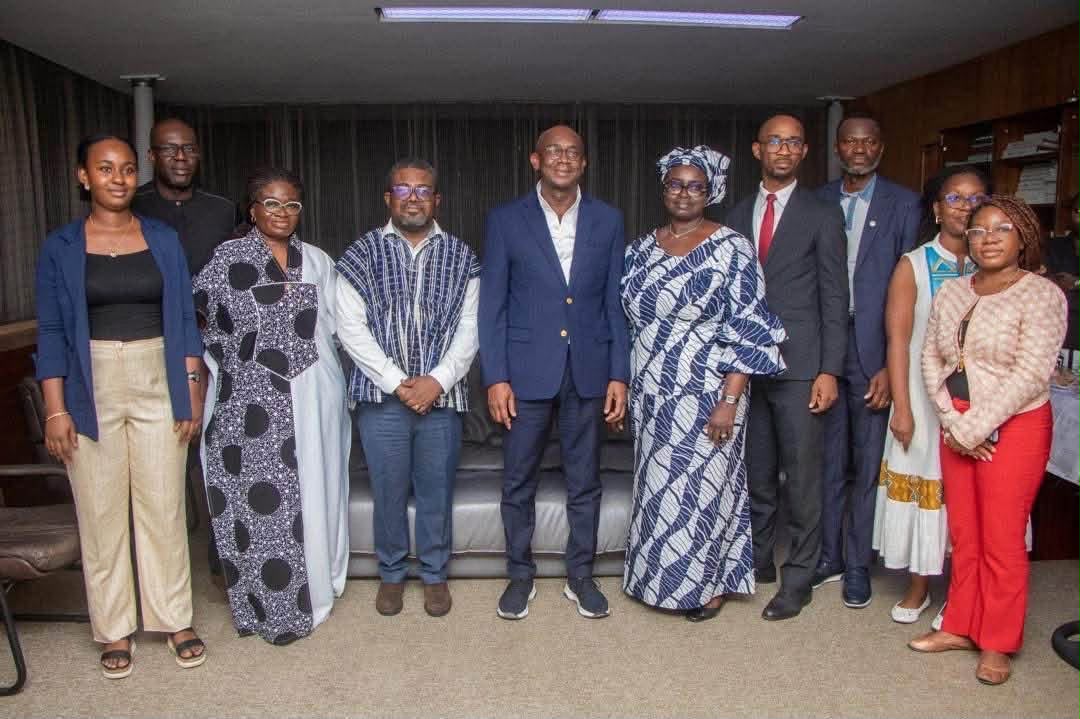
Le Ministre de la Transition numérique et de l'Innovation technologique, Djibril Ouattara, a effectué récemment une visite stratégique au siège abidjanais de l’Organisation Régionale Africaine de Communication par Satellite (RASCOM), l'organisation panafricaine des communications par satellite. L’objectif étant de tran...
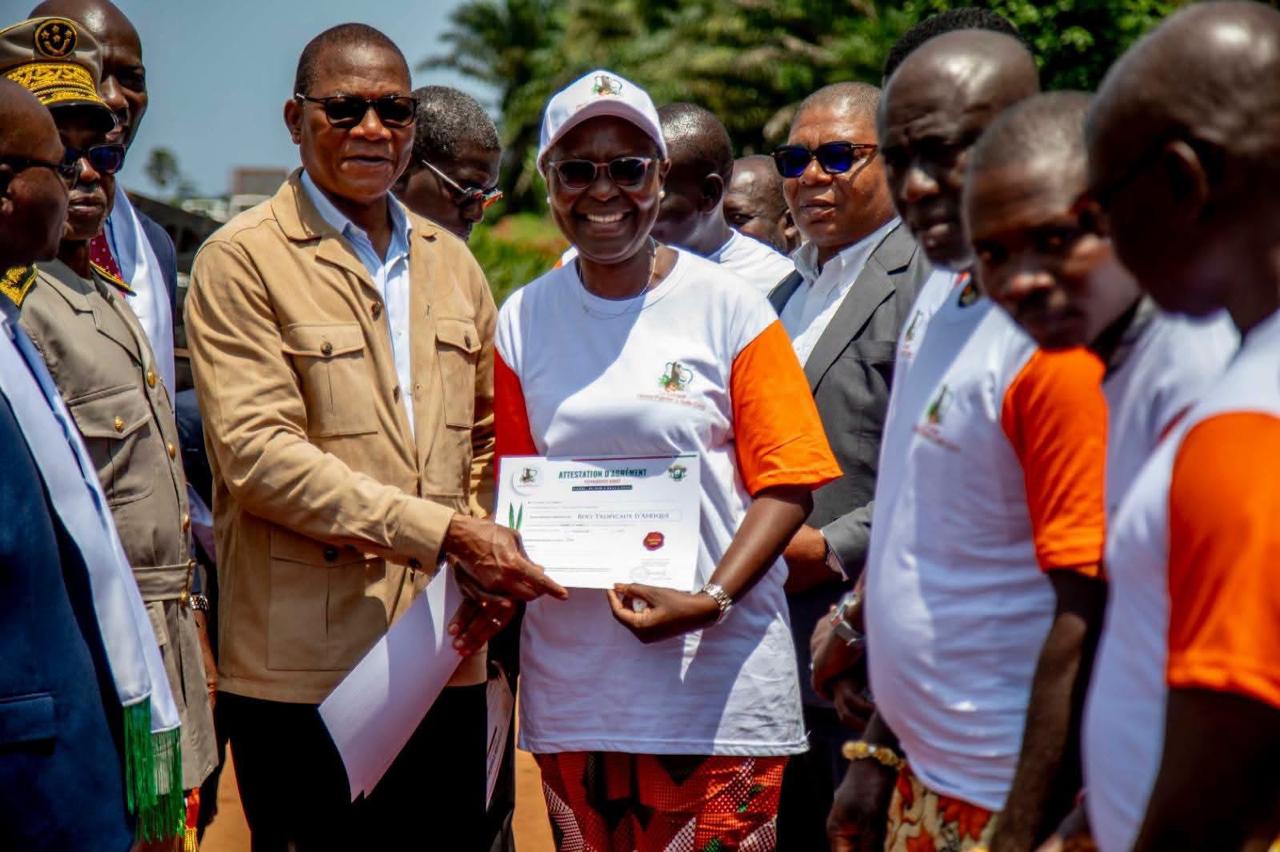
Le Gouvernement ivoirien passe à l'offensive sur deux filières longtemps délaissées. Le Ministre de l'Agriculture, du Développement rural et des Productions vivrières, Bruno Nabagné Koné, a lancé le 31 juillet à Grand-Béréby le programme intérimaire de développement des filières palmier à huile et coco.
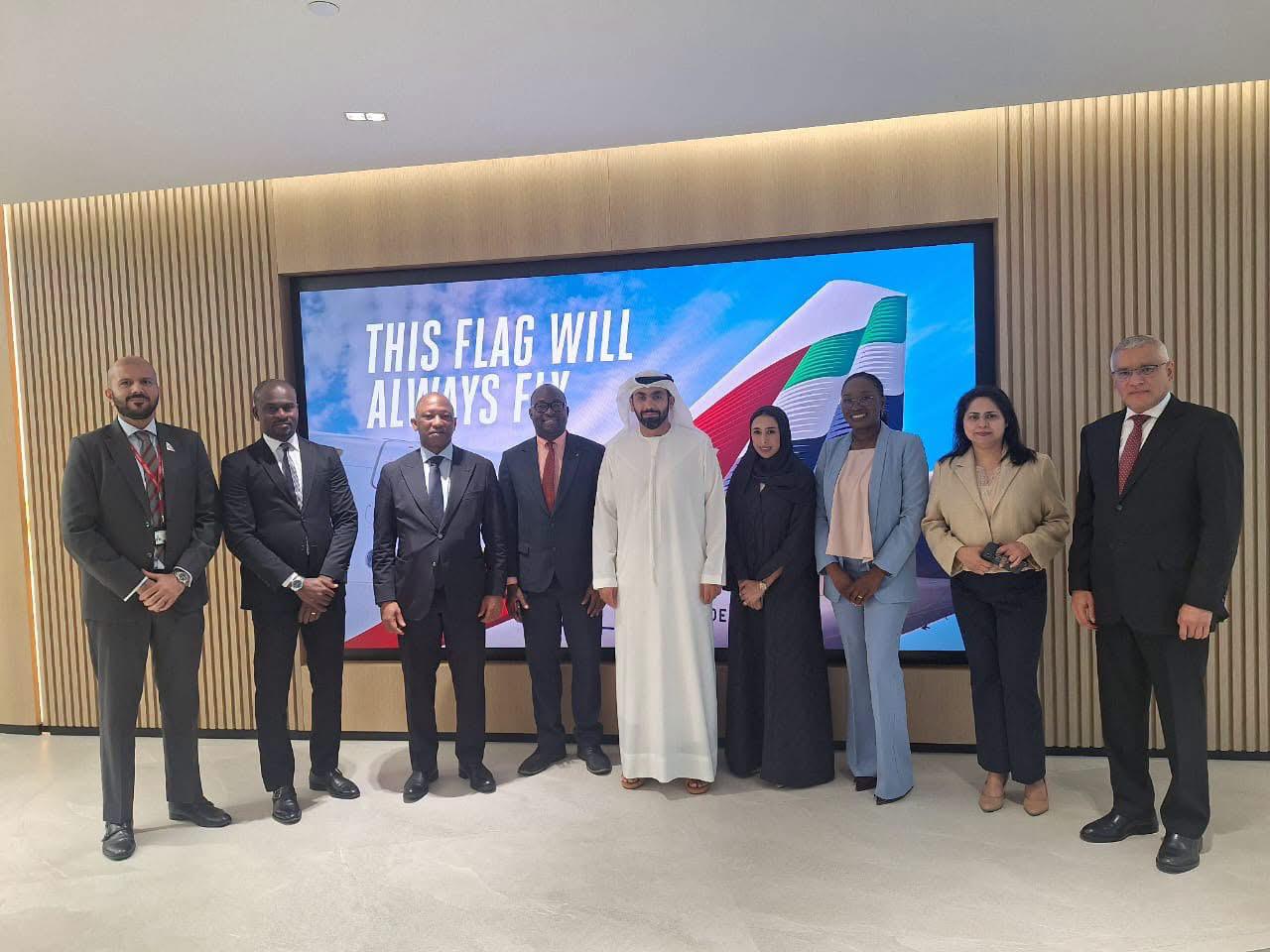
Une équipe de la Direction Générale du Transport Aérien (DGTA) a passé une semaine à Dubaï, chez Emirates Airlines, pour peaufiner la stratégie ivoirienne qui doit transformer Abidjan en hub aérien de référence ouest-africain. Fiscalité allégée sur les billets, bagages sans restriction, vol direct à l'étude. Les négoci...
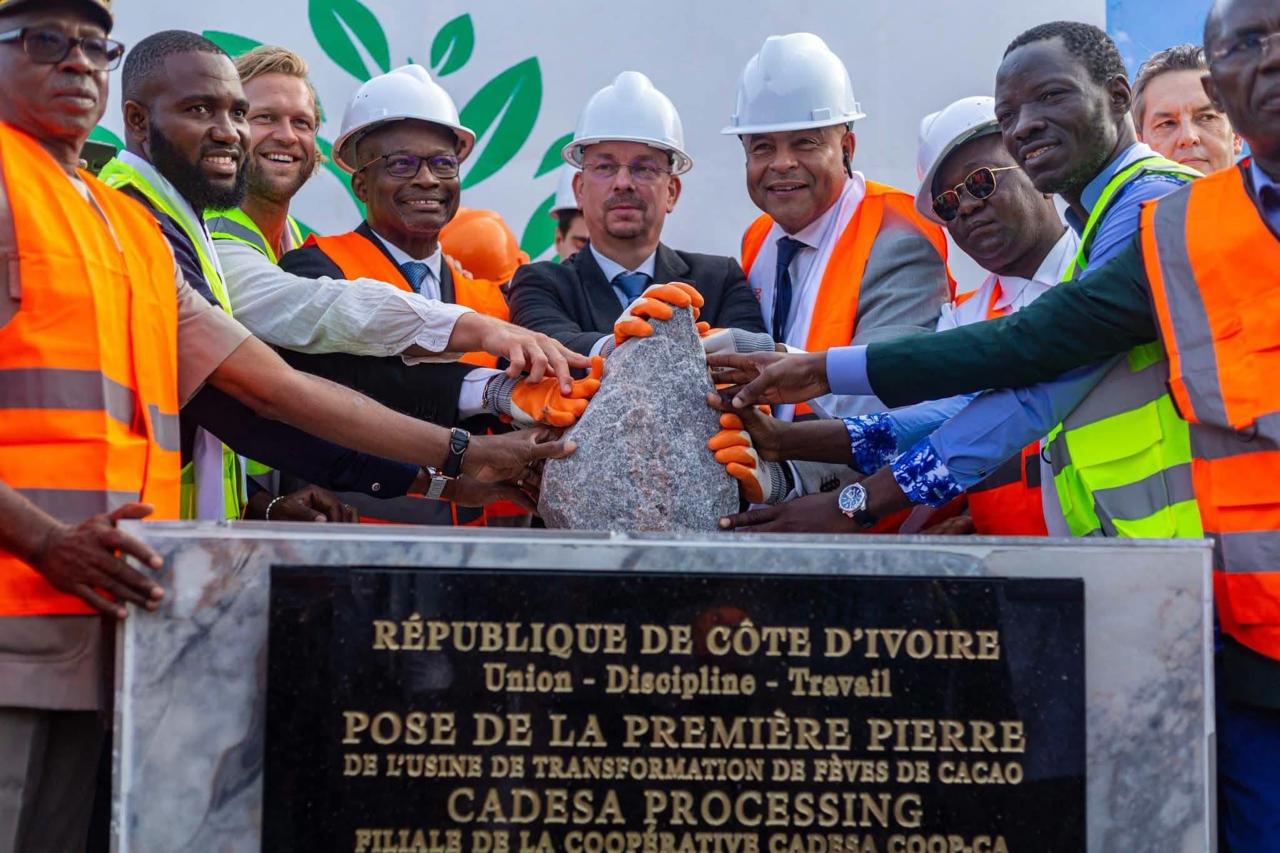
La première pierre de CADESA Processing SA a été posée récemment à Djirognepahio, dans la périphérie de San Pedro. Portée par plus de 4 000 producteurs réunis au sein de la coopérative CADESA, cette future usine incarne un tournant stratégique pour la filière cacao ivoirienne, longtemps cantonnée à l'exportation de fèv...
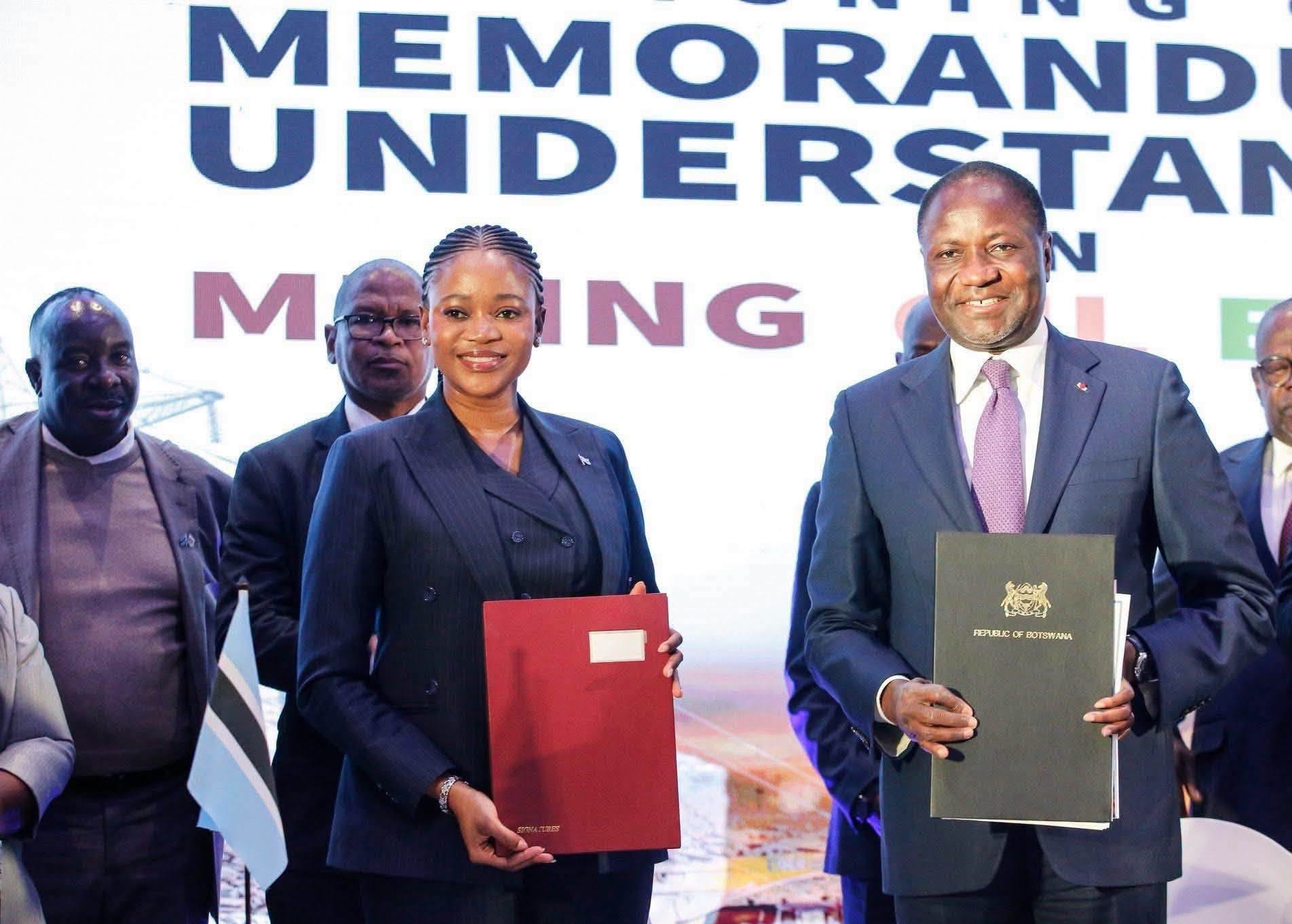
En concluant ce premier accord de coopération de l'histoire, entre les deux pays dans les secteurs des mines et de l'énergie, la Côte d'Ivoire affiche son ambition de transformer ses richesses géologiques en véritable moteur de développement économique, en s'inspirant du Botswana, référence africaine dans la gestion de...
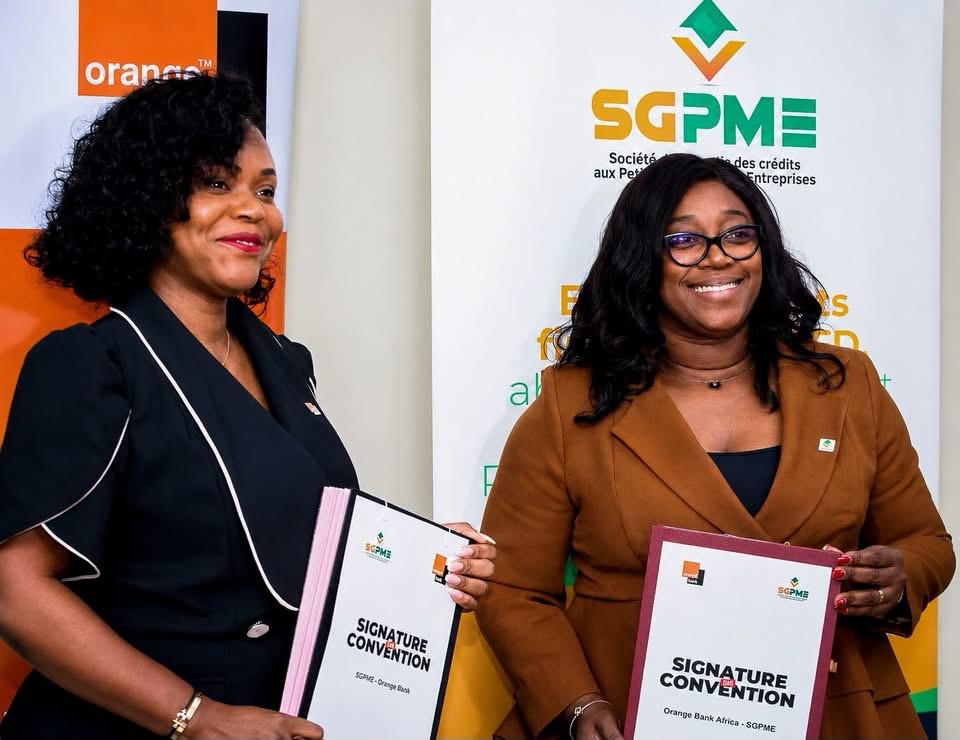
Dans un pays où l'accès au financement reste le premier obstacle cité par les patrons de PME, un chiffre vient d'apporter une bouffée d'air, 17 milliards de F CFA. C'est le montant que la Société de Garantie des crédits aux PME ivoiriennes (SGPME) et Orange Bank Africa (OBA) se sont engagés à mobiliser à travers deux c...
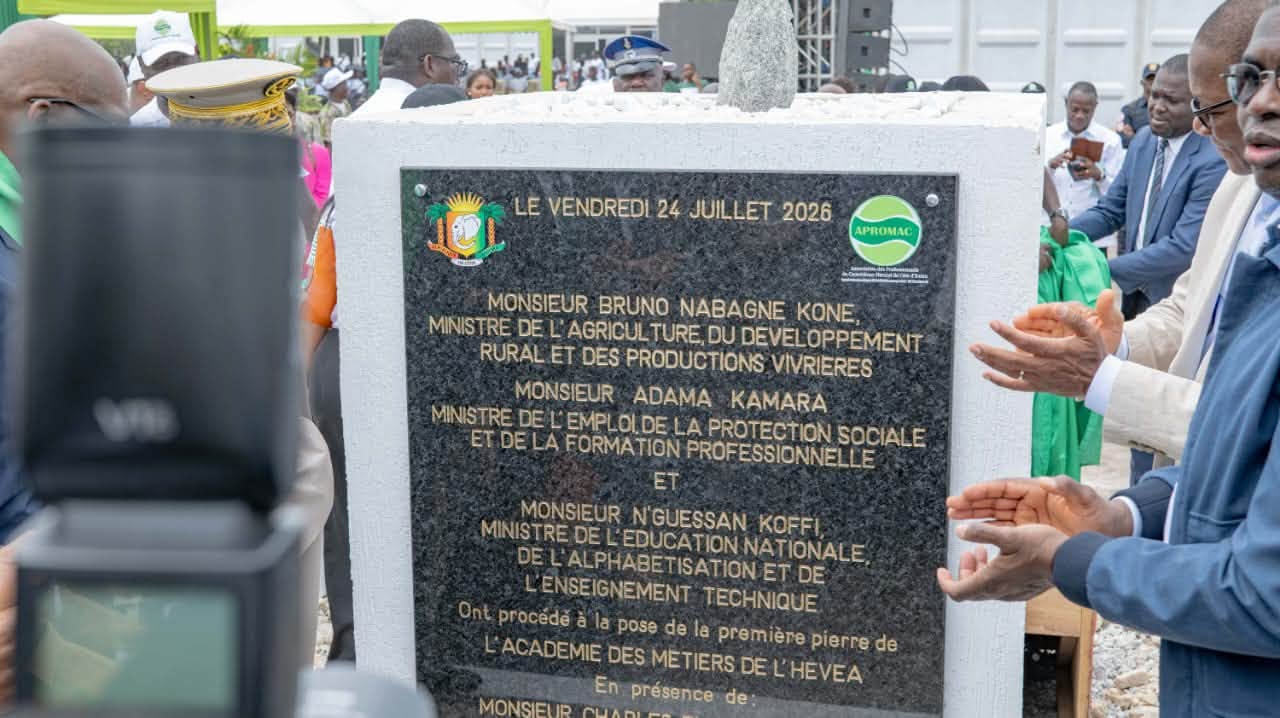
Premier producteur africain de caoutchouc naturel, la Côte d'Ivoire engage une nouvelle étape dans le développement de sa filière hévéa. Avec la création d'une Académie des métiers de l'hévéa, les professionnels veulent former une main d'œuvre qualifiée afin d'accompagner la transformation industrielle et répondre aux...
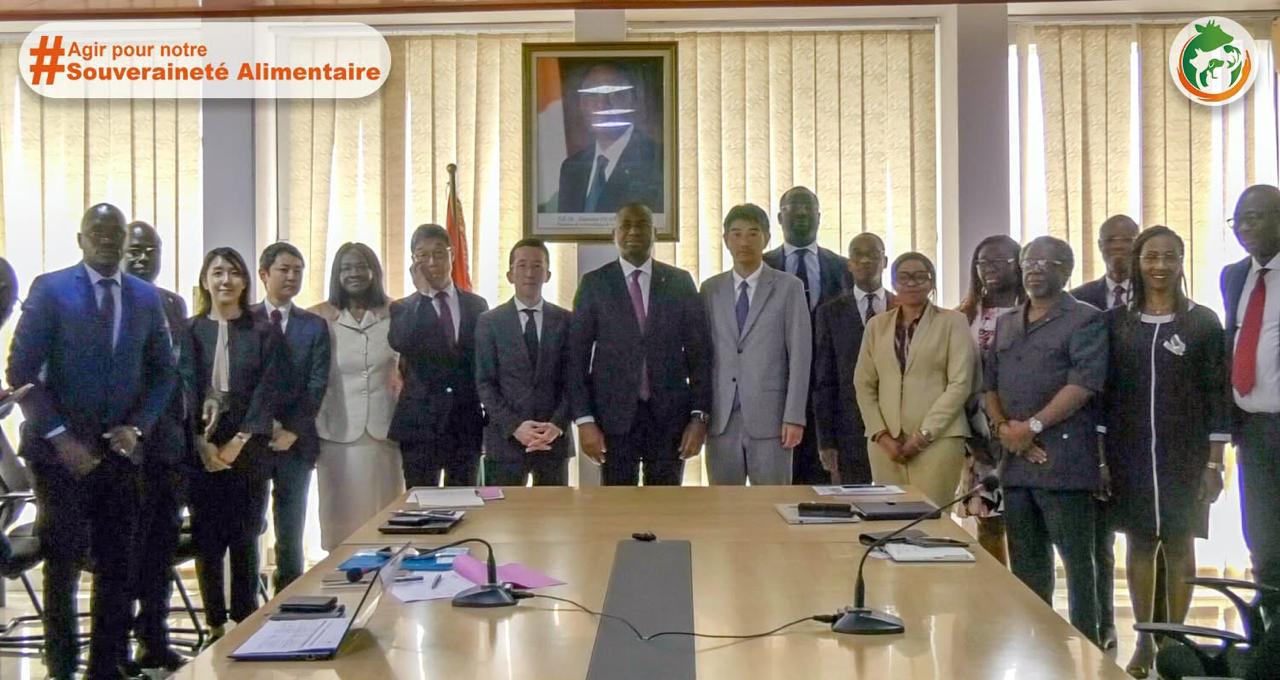
La Côte d'Ivoire et le Japon resserrent les liens autour d'un projet stratégique de réforme du secteur aquacole, porté par le Ministre Sidi Tiémoko Touré et une délégation de l'Agence Japonaise de Coopération Internationale (JICA) venue préparer un appui financier de grande ampleur.
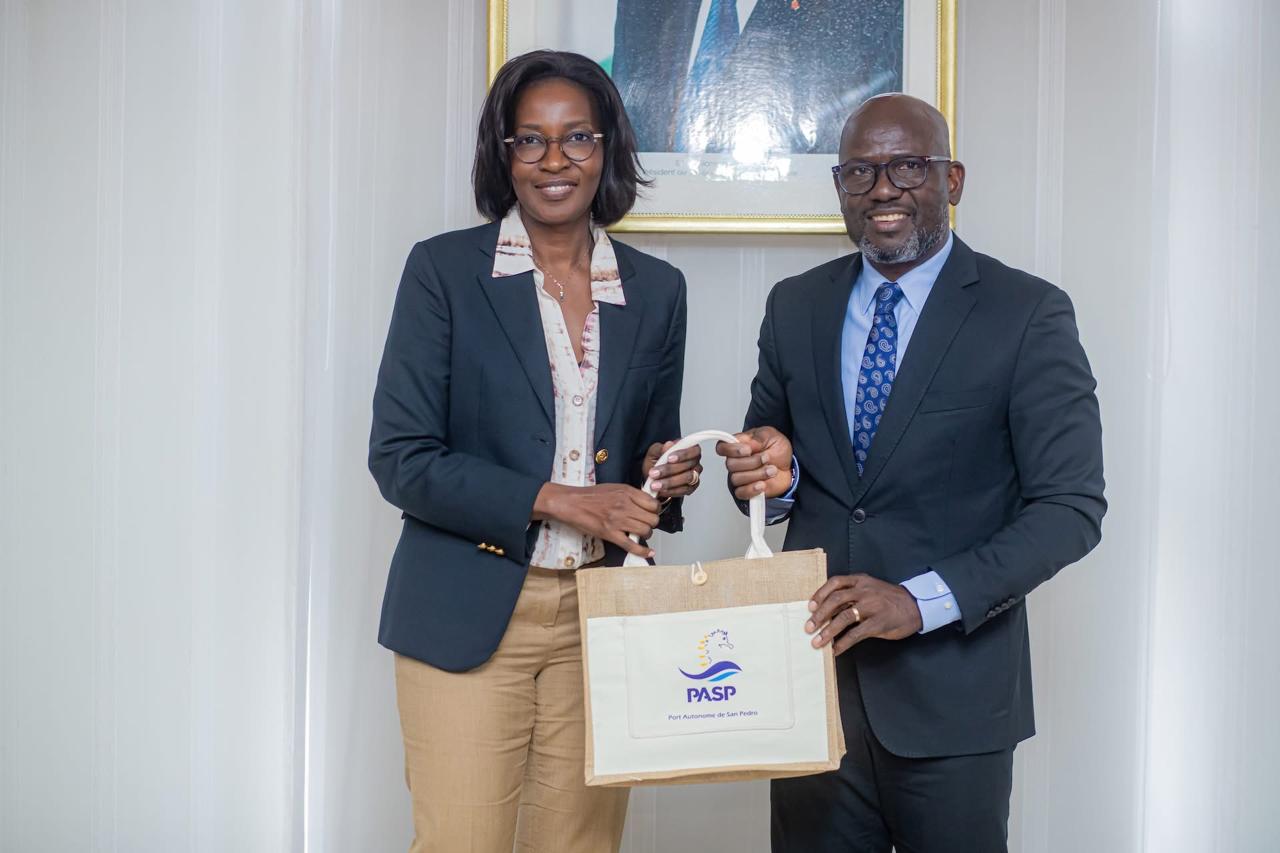
La Direction Générale du Port Autonome de San Pedro a reçu une délégation d'Africa Global Logistics (AGL) conduite par sa Directrice régionale, Asta Rosa Cissé, il y a quelques jours. Sous la présidence du Directeur général par intérim du port, Pascal Dally, les responsables d'AGL ont dévoilé leur stratégie 2027-2030 p...
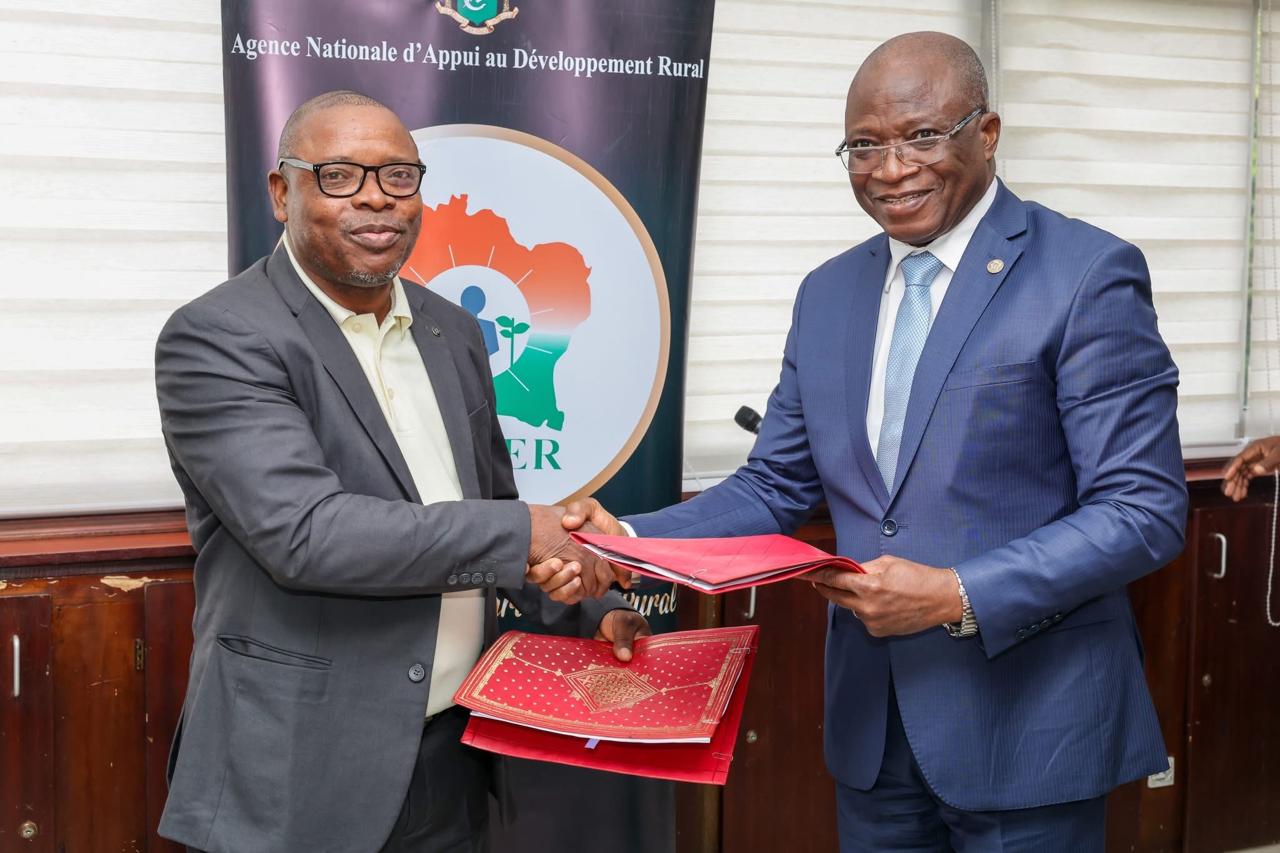
L'Agence Nationale d'Appui au Développement Rural (ANADER) et la Fédération Nationale des Organisations Professionnelles de la Jeunesse Rurale de Côte d'Ivoire (FENOPJERCI) ont signé récemment au siège de l'ANADER au Plateau, une convention-cadre de partenariat de 5 ans destinée à renforcer la formation et l'insertion...
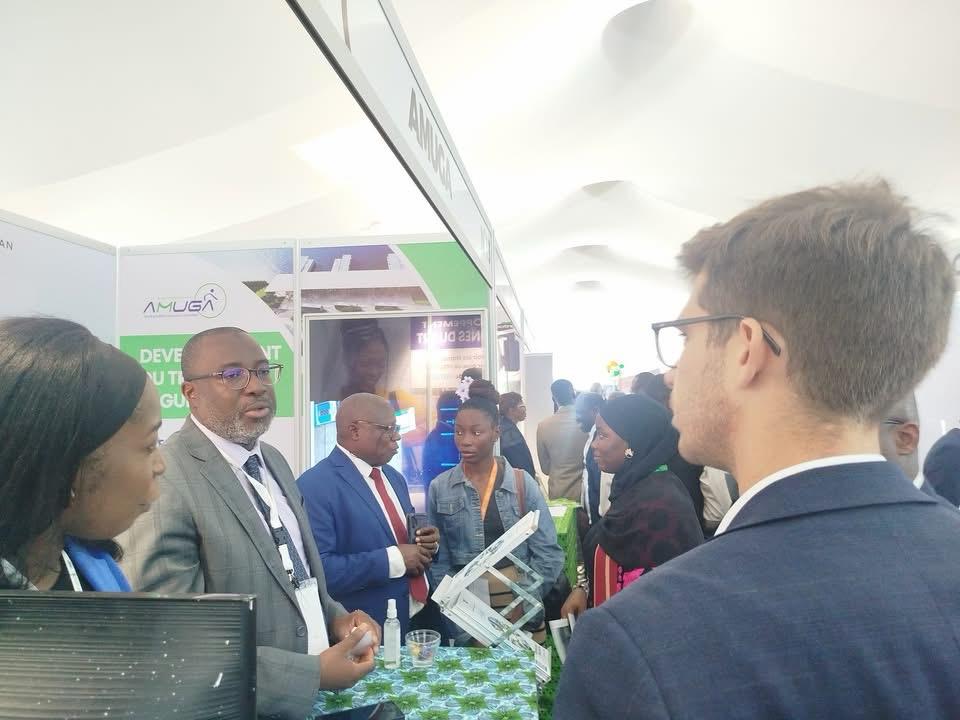
L'Autorité de Mobilité Urbaine du Grand Abidjan (AMUGA) a présenté 11 projets structurants lors d'un événement tenu les 8 et 9 juillet 2026, dans le cadre du Plan National de Développement 2026-2030. Ces initiatives, représentant un investissement global proche de 1400 milliards de F CFA, comprennent notamment 8 lignes...
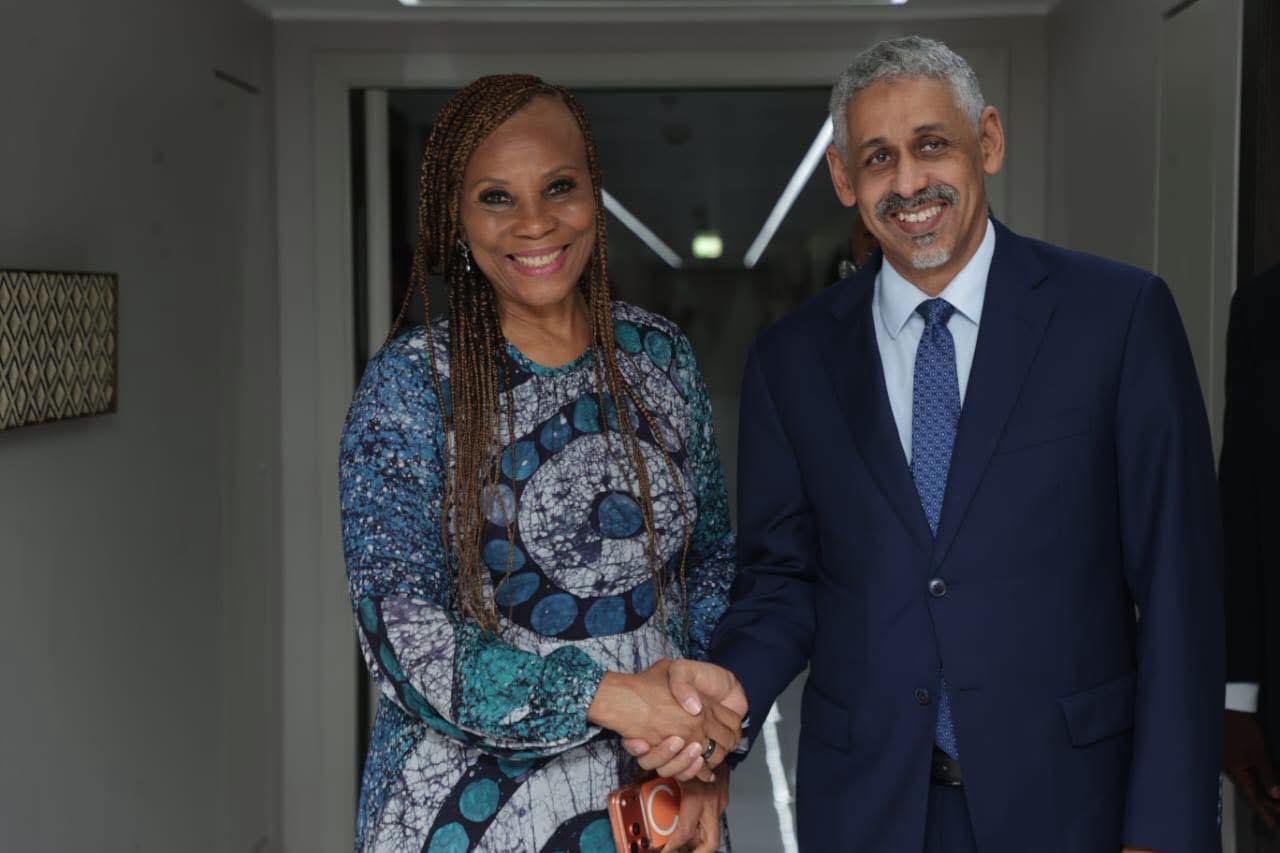
Ahunna Eziakonwa, Directrice régionale du Programme des Nations Unies pour le Développement (PNUD) pour l'Afrique, s'est entretenue avec le Dr Sidi Ould Tah, Président du Groupe de la Banque Africaine de Développement (BAD). Les deux dirigeants ont exploré les voies d'un rapprochement stratégique entre leurs institutio...
 English
 Français