 English
 Français

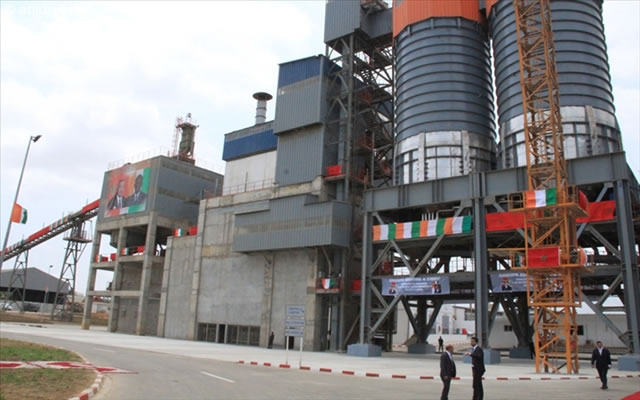
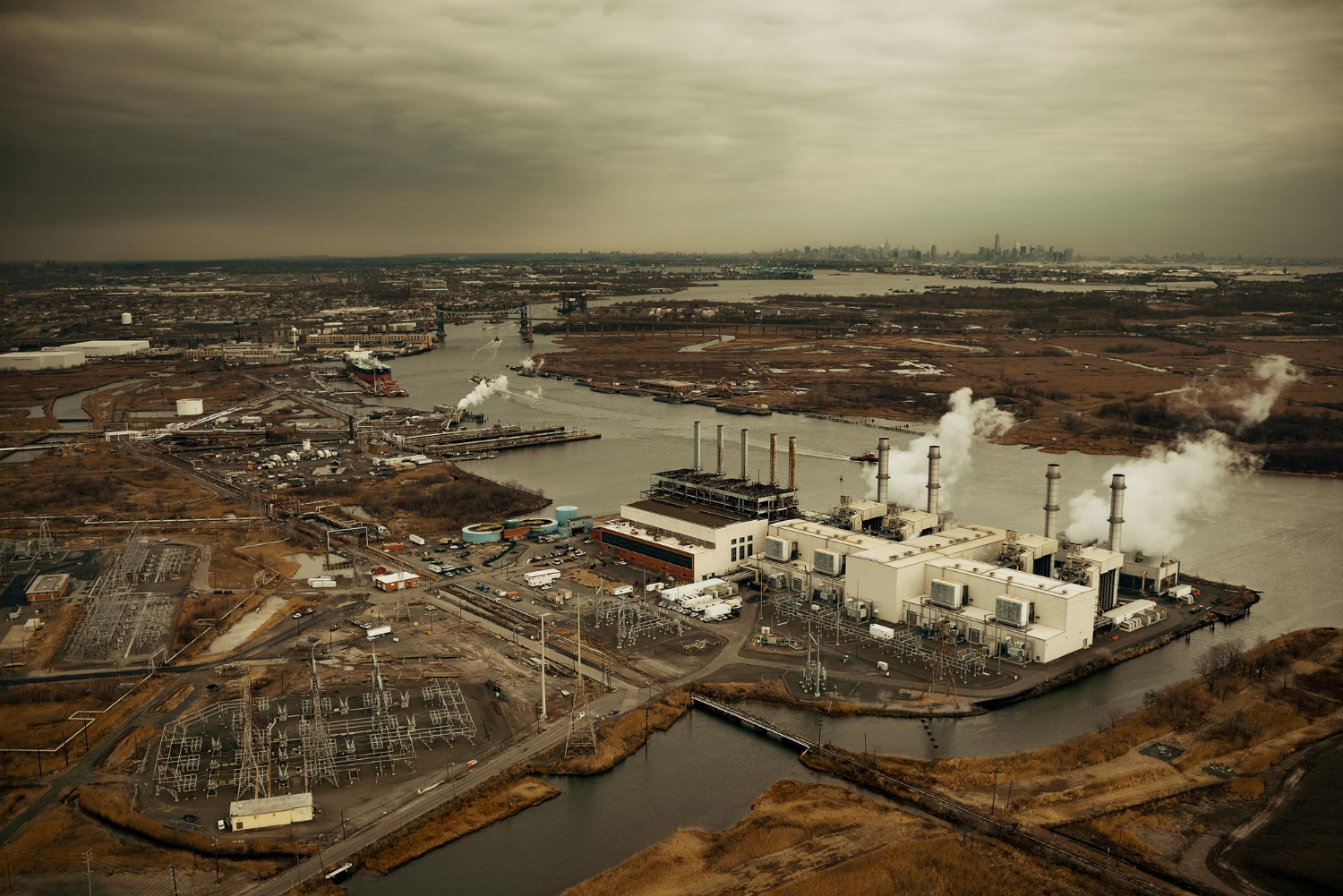
Abidjan reste le cœur battant de l’appareil productif, avec 4 grandes zones industrielles qui concentrent l’essentiel des entreprises. On y retrouve Koumassi, Vridi, la zone de Yopougon et surtout la nouvelle zone d’Akoupé‑Zeudji PK24, désormais vitrine de la politique industrielle ivoirienne. Koumassi et Vridi, chacune d’environ 120 hectares, incarnent la première génération de zones industrielles, créées à proximité immédiate du port et des quartiers populaires pour servir une économie tournée vers l’import‑export et l’agro‑industrie traditionnelle. Yopougon, avec près de 469 hectares, s’est imposée comme un géant industriel, accueillant environ 400 entreprises après une réhabilitation chiffrée à 25 milliards de F CFA, signe de la volonté de prolonger la vie de ces zones historiques plutôt que de les abandonner.
PK24, nouvelle vitrine industrielle
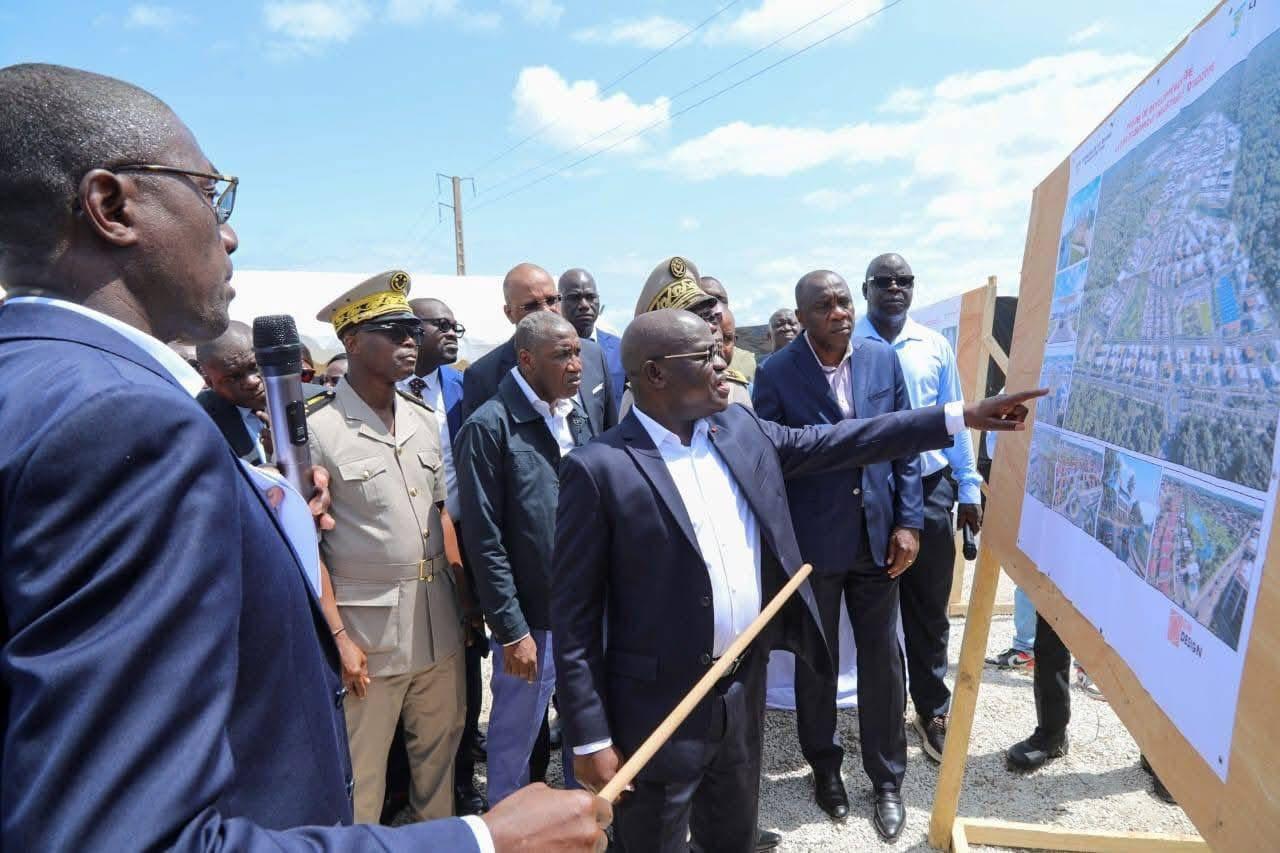
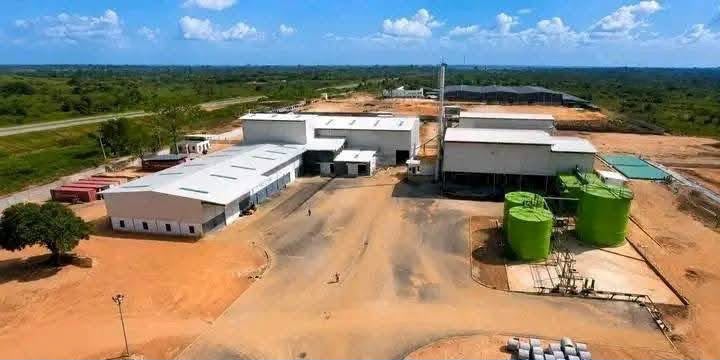
Au nord d’Abidjan, la zone d’Akoupé‑Zeudji PK24 change d’échelle. Elle s’étend sur près de 1 000 hectares selon les sources officielles, et se veut à la fois zone industrielle et plateforme économique intégrée. Elle concentre espaces industriels, plateforme logistique, équipements administratifs et socio‑économiques, logements d’astreinte, centres de formation, espaces verts et ceinture écologique, conformément aux standards internationaux mis en avant par le gouvernement. PK24 est présentée comme un pivot de la transformation structurelle de l’économie, avec un ciblage affirmé sur les grappes stratégiques du PND 2021‑2025 (agro‑industrie, chimie‑plasturgie, matériaux de construction, pharmacie, textile, emballages et pièces de rechange). Selon des travaux académiques, la zone devrait générer plusieurs milliers d’emplois industriels directs et accélérer la mutation des paysages ruraux périurbains.
Des pôles émergents à l’intérieur du pays
L’un des tournants majeurs de la cartographie industrielle ivoirienne tient à l’essaimage progressif des zones industrielles au‑delà d’Abidjan. Deux zones « pionnières » ont longtemps fait figure d’exception. Il s’agit de celles de Bonoua (environ 334 hectares) et de Bouaké (environ 1650 hectares), toutes deux positionnées sur des corridors routiers stratégiques et au cœur de bassins agricoles majeurs. Depuis 2017, l’État a engagé un vaste programme de création de zones industrielles dans les chefs‑lieux de régions, avec des superficies conséquentes à Yamoussoukro (environ 250 hectares déjà en aménagement et 550 hectares supplémentaires à acquérir), San Pedro (environ 540 hectares). On note les zones industrielles de Bondoukou, Korhogo, Odienné et Séguéla. À l’horizon 2030, de nouveaux sites sont annoncés à Mankono, Daloa, Abengourou, M’Bengué et dans d’autres villes, dessinant une carte industrielle qui épouse de plus en plus la géographie nationale plutôt que de se limiter au littoral sud.
Notons que derrière cette cartographie se lit une stratégie assumée de désengorgement d’Abidjan et de rééquilibrage du développement industriel vers l’intérieur. Le gouvernement met en avant des zones « modernes » pour rassurer les investisseurs, réduire les délais d’accès à des terrains viabilisés et rapprocher les usines des matières premières agricoles. Parallèlement, un programme national d’identification des opérateurs économiques et de monographie des espaces industriels est en cours, afin de mieux régulariser le secteur et d’offrir une vision plus fine de l’occupation réelle des sols industriels.