 English
 Français

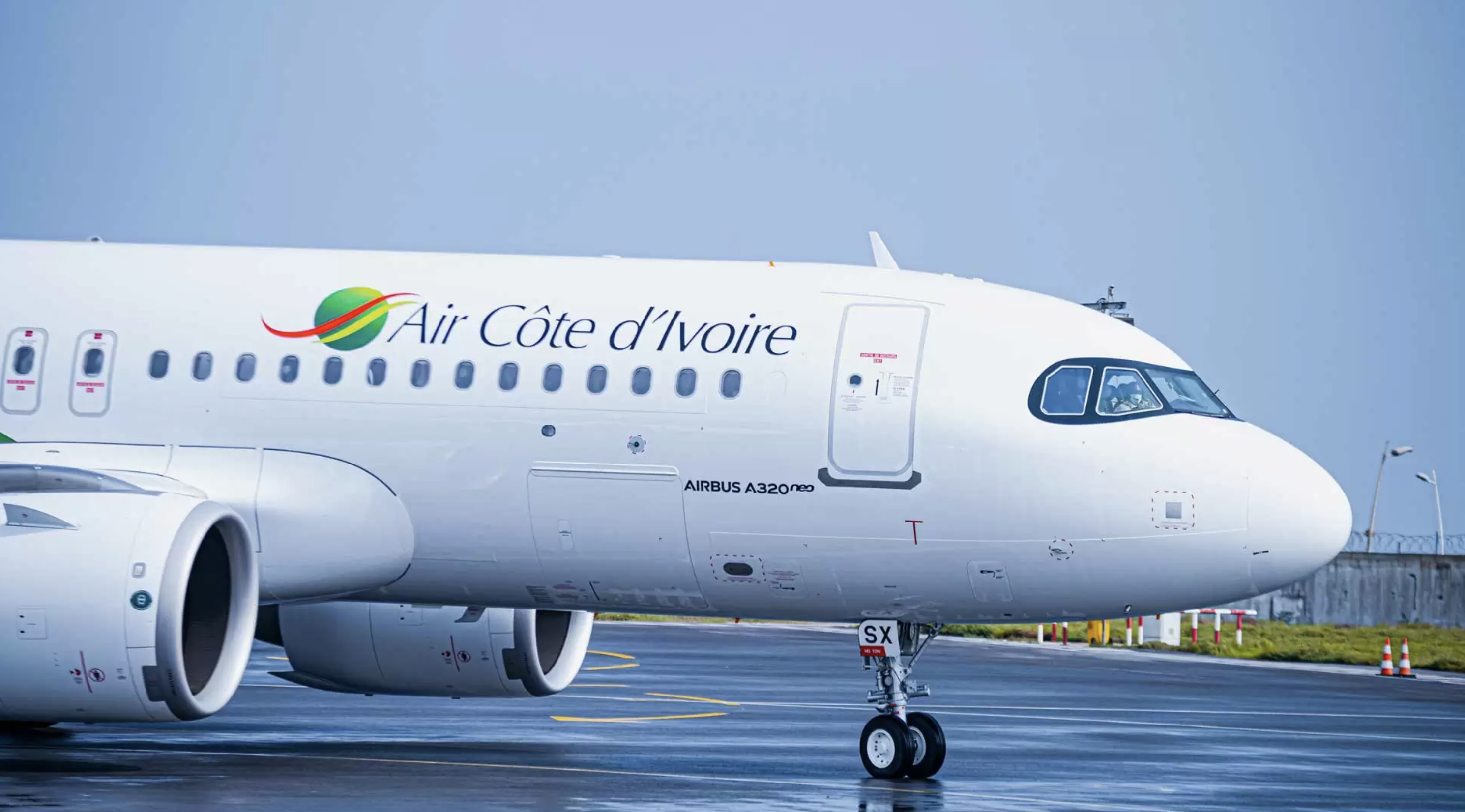
Réuni au Palais présidentiel d'Abidjan-Plateau sous la présidence de S.E Alassane OUATTARA, le Conseil des ministres ivoirien a adopté une série de textes réformant en profondeur la structure tarifaire du transport aérien. Ces décrets modificatifs portent sur trois instruments réglementaires clés, à savoir le décret du 23 octobre 2003 relatif aux taux de la redevance sur les passagers dans les aéroports ouverts à la circulation aérienne publique, le décret du 23 janvier 2008 sur la redevance de sécurité sur les aérodromes, et le décret du 17 janvier 2018 instituant une redevance de sûreté.
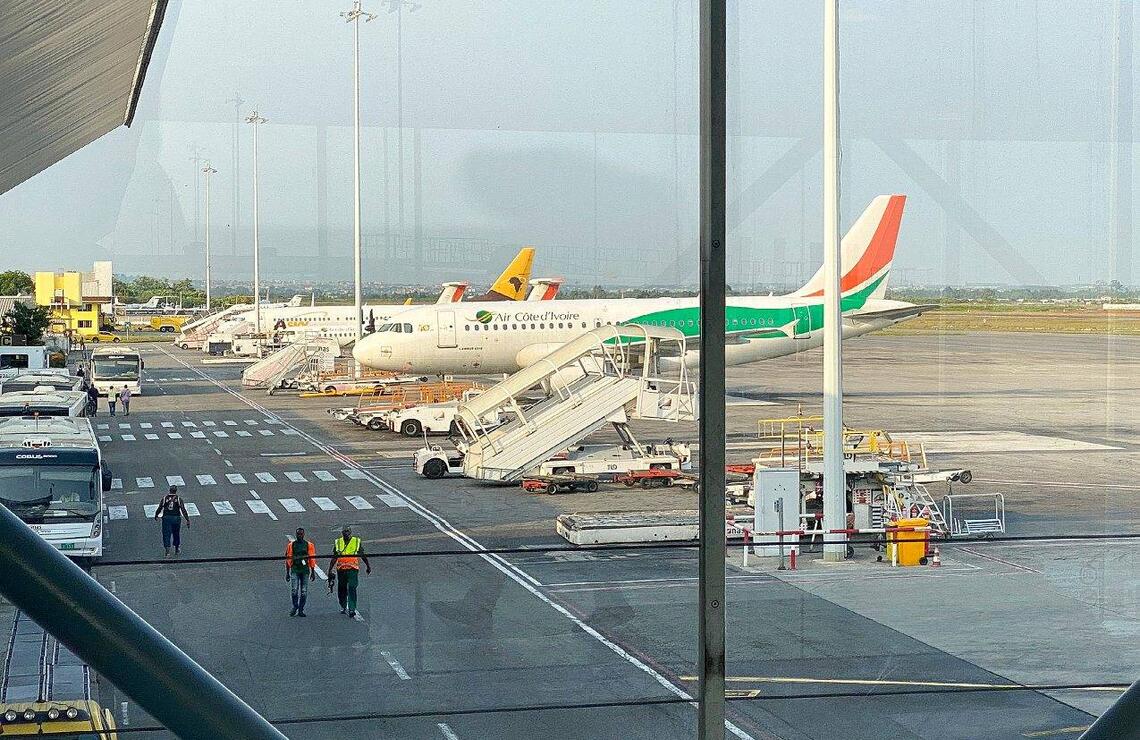
Concrètement, ces nouvelles dispositions introduisent une réduction et une uniformisation des taux applicables à la redevance sur les passagers, à la redevance de sûreté et à la redevance de sécurité, notamment pour les vols de la zone intra-Côte d'Ivoire. Le porte-parole du gouvernement, Monsieur Amadou Coulibaly, a précisé à l'issue du Conseil que cette baisse de 25% vise à renforcer la compétitivité d'Air Côte d'Ivoire ainsi que des plateformes aéroportuaires, ajoutant toutefois que « la réduction concerne les redevances et non directement le prix du billet ».
Cette réforme s'inscrit dans la mise en conformité de la Côte d'Ivoire avec l'acte communautaire additionnel adopté en décembre 2024 par la CEDEAO, portant sur la politique commune en matière de redevances aéronautiques et de taxes dans les États membres. Un atelier national sur la compétitivité du transport aérien avait déjà ouvert la voie en avril 2026, visant à proposer au gouvernement des mesures fiscales, douanières et opérationnelles cohérentes. Les enjeux sont considérables.
Pour rappel, le trafic à l'aéroport international Félix Houphouët-Boigny est passé de 935 130 passagers en 2020 à 2 535 451 en 2024. En allégeant les coûts du transport aérien, l'État entend stimuler davantage ce trafic, attirer les investisseurs et consolider Abidjan comme hub stratégique en Afrique de l'Ouest, dans un contexte de concurrence accrue avec ASKY, Air Sénégal et Air Peace.