 English
 Français
C'est une première absolue sur le marché financier de l'Afrique de l'Ouest. La levée de fonds de Poro Power 1 SA est réalisée sous la forme du tout premier green bond (obligation verte) émis par un opérateur privé de l'énergie en zone UEMOA. Structurée par Genesis Capital, la banque d'affaires ivoirienne dirigée par William Turkson et Charles Kié, l'opération cumule trois records. À savoir, première obligation verte d'un opérateur privé de l'énergie en UEMOA, premier financement d'infrastructure par appel public à l'épargne dans la région, et première participation directe de l'Africa Finance Corporation (AFC) sur le marché financier de l'UEMOA. L'AFC a d'ailleurs décaissé 43 millions d'euros dans le cadre de cette émission. Fait symbolique fort, l’intégralité des fonds a été souscrite par des investisseurs régionaux, sans recours aux capitaux extérieurs traditionnels.
Korhogo, épicentre de la révolution solaire
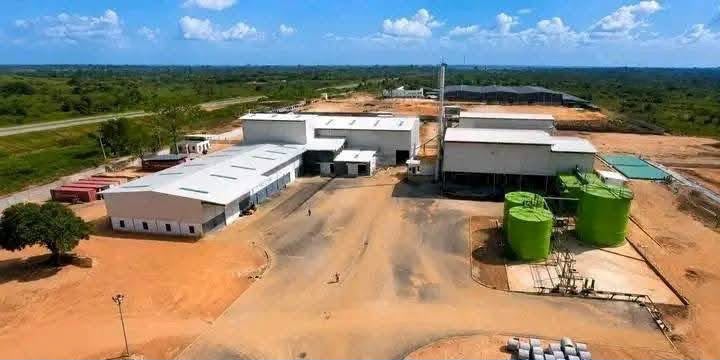
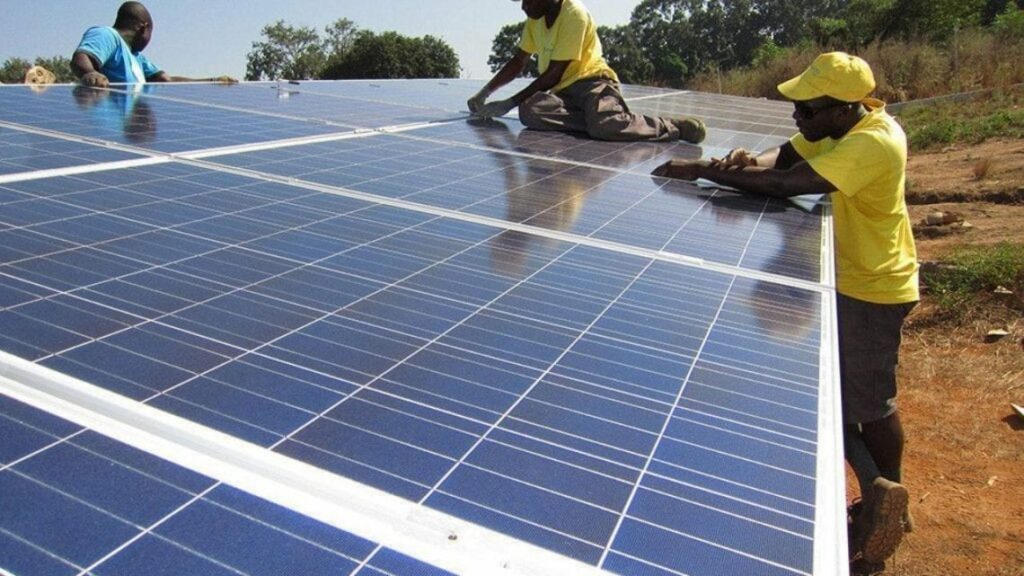
La centrale sera projetée à Korhogo, dans le nord de la Côte d'Ivoire, avec une capacité installée de 66 MWc. Prévue pour être opérationnelle en 2027, elle devrait alimenter près de 400 000 foyers et éviter l'émission d'environ 70 000 tonnes de CO₂ par an. L'infrastructure est adossée à un contrat d'achat d'électricité signé avec l'État sur 25 ans dans le cadre de la Convention Galilea, garantissant ainsi la viabilité économique du projet sur le long terme. « Ce financement marque l'aboutissement de dix ans d'engagement au service de la transition énergétique ivoirienne », a déclaré Jean Marc Aïé Yapi, promoteur du projet.
Un levier pour l'industrie ivoirienne
Au-delà du seul projet Poro Power, cette levée de fonds catalyse une dynamique industrielle plus large. Elle intervient dans un contexte où la Côte d'Ivoire vise 45% d'énergies renouvelables dans son mix électrique d'ici 2030, avec un objectif de dépasser 5 000 MW de capacité installée. Elle s'ajoute à un financement de 118 milliards de FCFA accordé par l'Agence Française de Développement (AFD) en avril 2026 dans le cadre du programme WASUNA, dédié au solaire et à l'hydroélectrique. En prouvant que les grands projets d'infrastructure peuvent naître et se financer localement, Poro Power ouvre la voie à une nouvelle génération d'investisseurs africains, et démontre la maturité croissante des marchés de capitaux régionaux.
Avec Poro Power, la Côte d'Ivoire ne se contente plus de recevoir les financements étrangers, elle les génère elle-même, en déclarant l'entrepreneuriat local au cœur de sa souveraineté énergétique.