 English
 Français
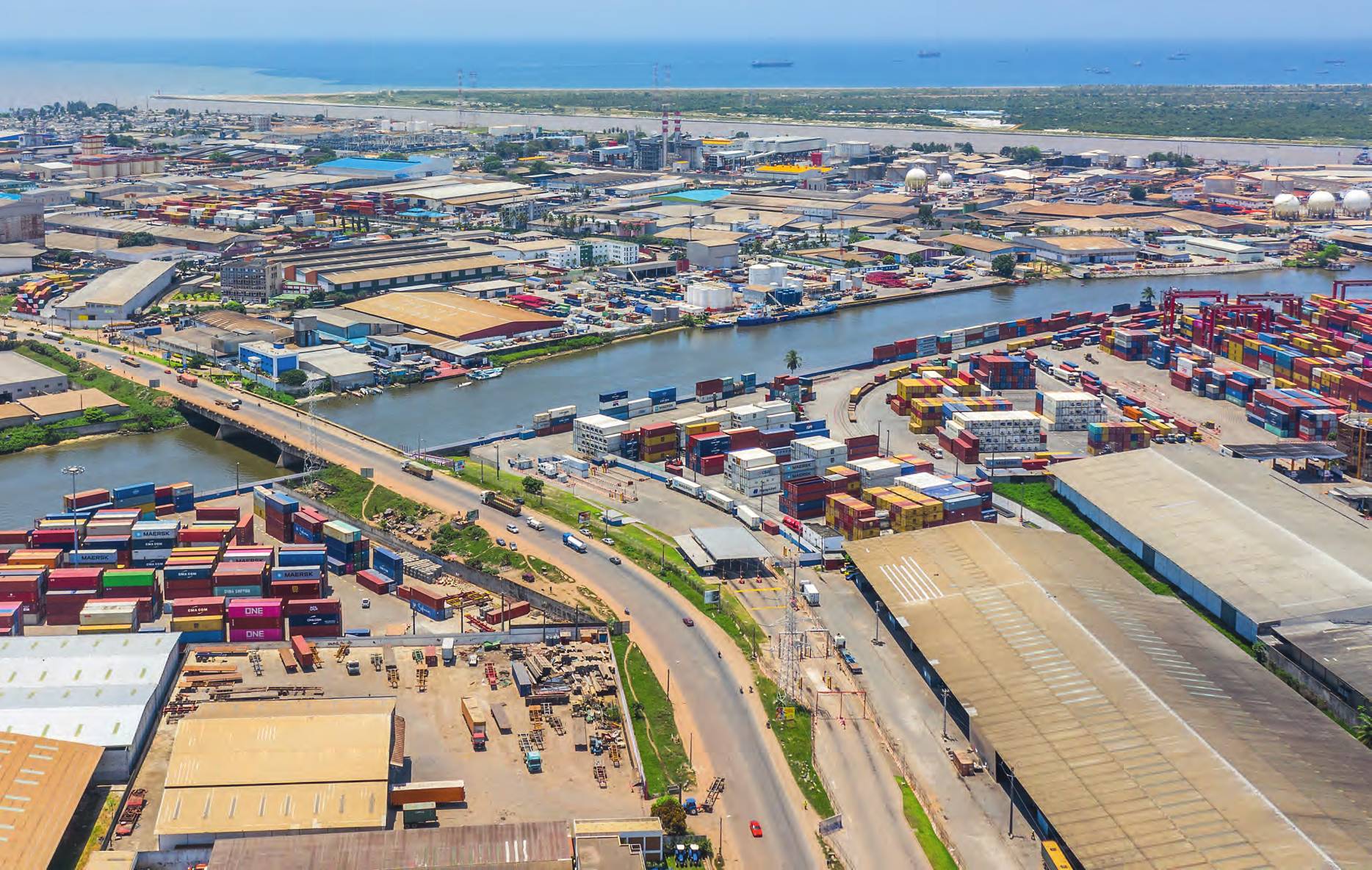
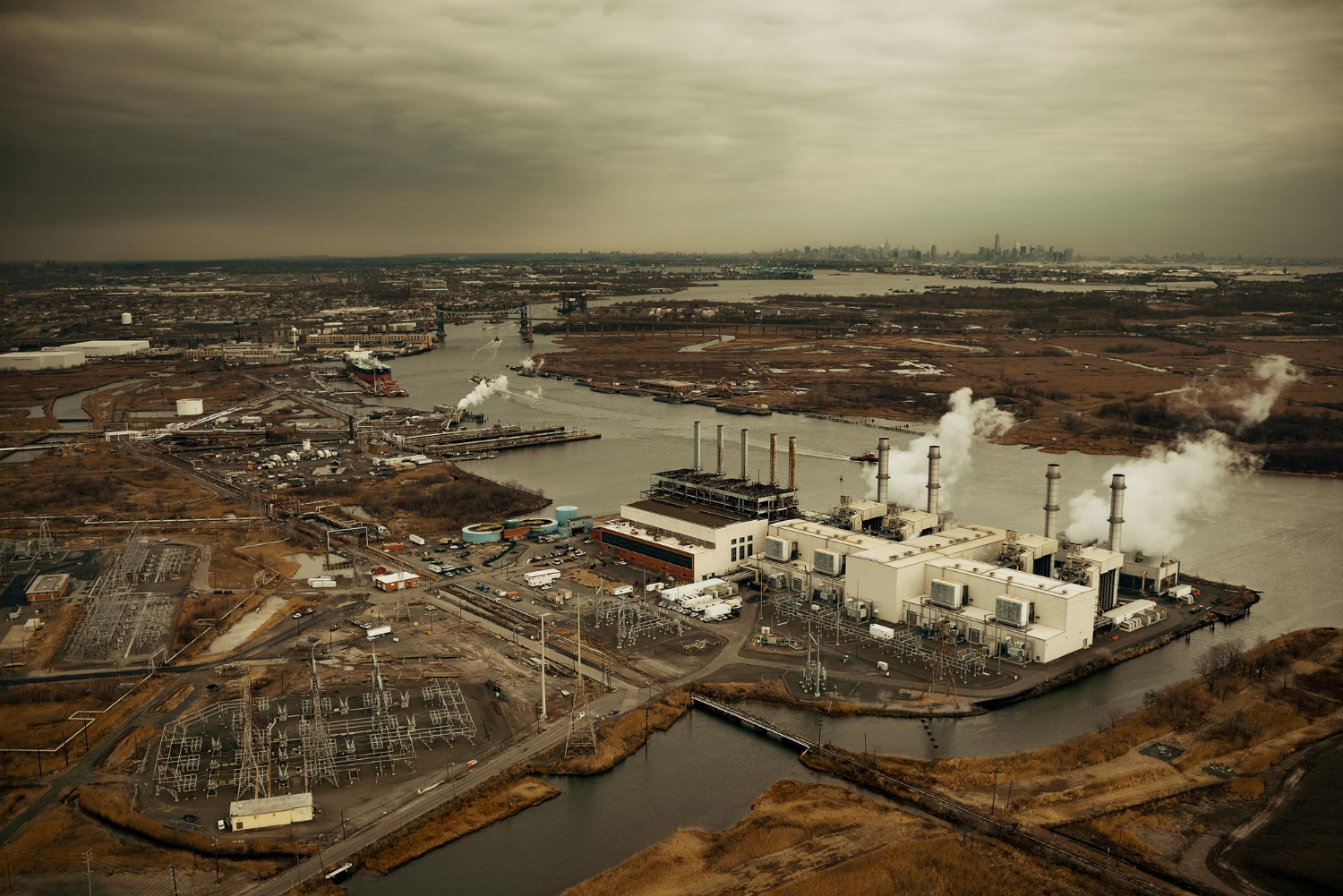
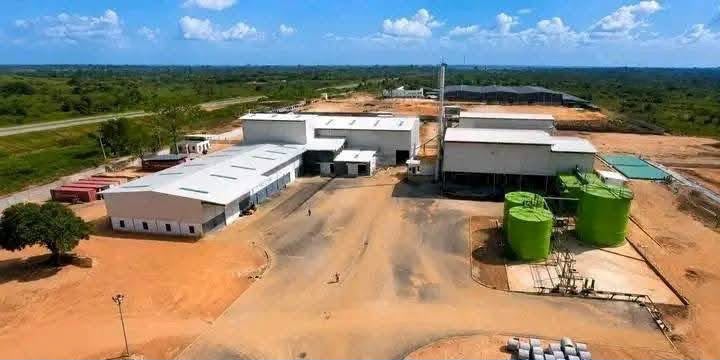
Adossée au Port autonome d'Abidjan, la zone industrielle (ZI) de Vridi bénéficie d'un positionnement géographique exceptionnel. Cette proximité immédiate avec l'un des plus grands hubs maritimes d'Afrique de l'Ouest facilite l'importation de matières premières et l'exportation de produits finis, entraînant significativement les coûts logistiques pour les entreprises. Elle constitue ainsi un levier clé pour la compétitivité industrielle du pays. Vridi se distingue également par la diversité de son tissu industriel. La zone accueille des entreprises exploitées dans des secteurs stratégiques tels que l'agro-industrie, la chimie, l'énergie, la métallurgie ou encore la transformation du cacao. Cette concentration sectorielle favorise les synergies industrielles, le partage d'infrastructures et le développement de chaînes de valeur locales, en ligne avec les ambitions de transformation économique de la Côte d'Ivoire.
L'un des autres atouts majeurs de Vridi réside dans la qualité de ses infrastructures. Les réseaux routiers, accès portuaires, installations énergétiques et services logistiques y sont relativement développés, offrant un environnement propice à l'implantation d'unités de production. Les récentes initiatives de modernisation du port et d'extension des capacités industrielles renforcent davantage son attractivité. Par ailleurs, la zone industrielle de Vridi joue un rôle central dans la création d'emplois. Elle concentre une main-d'œuvre importante et contribue à la montée en compétences des travailleurs ivoiriens, notamment dans les métiers techniques et industriels. Ce dynamisme participe à l'essor d'une classe moyenne et à la structuration du marché du travail urbain. Aussi, Vridi s'inscrit dans une dynamique d'ouverture et d'attractivité pour les investisseurs étrangers.
En définitive, la zone industrielle de Vridi apparaît comme un maillon essentiel du développement économique ivoirien. Son potentiel, encore en expansion, en fait un espace stratégique pour soutenir l'ambition du pays de devenir un pôle industriel majeur en Afrique de l'Ouest.