 English
 Français
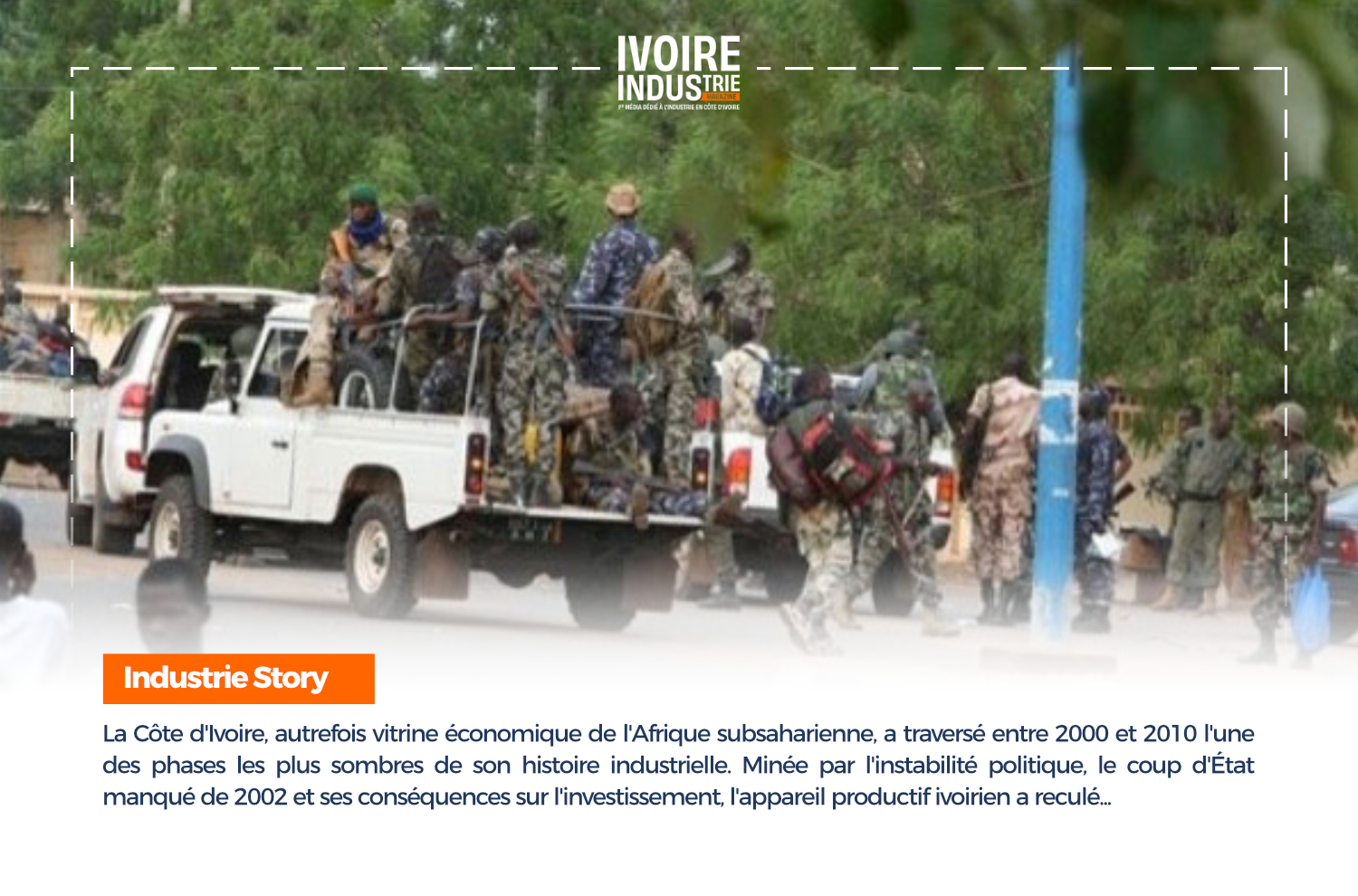
Pour comprendre le sursaut industriel des années 2010, il faut d'abord mesurer l'ampleur des dégâts causés par les années précédentes. Entre 2000 et 2010, la Côte d'Ivoire a traversé l'une des périodes les plus sombres de son histoire économique. À savoir coups d'État, partition du territoire, crise post-électorale de 2010-2011. L'appareil industriel, concentré principalement à Abidjan et dans les grandes zones urbaines, a été durement touché. Les investisseurs étrangers ont déserté, les unités de production ont été vandalisées ou abandonnées, et le tissu des entreprises industrielles s'est effrité sous l'effet conjugué de l'insécurité et de l'instabilité institutionnelle. C'est dans ce contexte de quasi-dévastation que la Côte d'Ivoire a abordé la nouvelle décennie, avec un défi colossal à relever. Celui de reconstruire et moderniser son outil industriel tout en visant le statut de pays émergent à l'horizon 2020. Un pari audacieux, que beaucoup jugeaient irréaliste au lendemain d'une crise fratricide.
Le Plan National de Développement : le coup de départ
L'arrivée au pouvoir du Président Alassane Ouattara en 2011 marque un tournant décisif. Le nouveau gouvernement place l'industrialisation au cœur de sa stratégie économique et se dote d'un instrument de pilotage ambitieux, le Plan National de Développement (PND). Dès 2012-2015, l'État ivoirien engage une vaste réhabilitation des infrastructures, si bien que la Banque mondiale inscrit la Côte d'Ivoire parmi les 10 pays les plus réformateurs dans son rapport Doing Business 2014. Les chiffres témoignent de l'efficacité de cette politique de choc. En effet, dès 2013, le pays recense plus de 5 000 entreprises industrielles actives. Le secteur industriel contribue cette année-là à hauteur de 26% du PIB et représente 41% des exportations nationales. En moins de trois ans après la fin de la crise, l'économie reprend de la vigueur à un rythme que peu d'observateurs avaient anticipé.
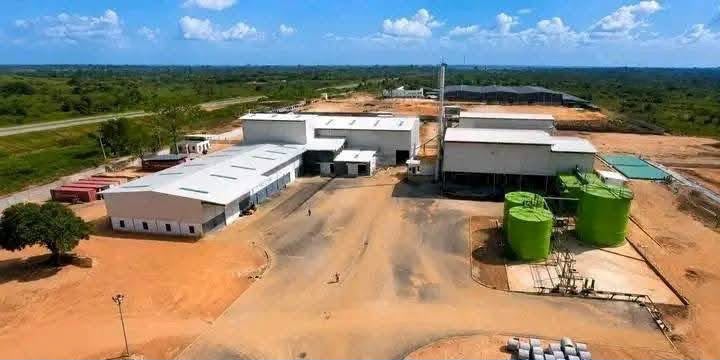
Au cœur de cette renaissance industrielle, l'agro-industrie s'impose comme le pilier structurant. Elle représente à elle seule 50% de l'ensemble du secteur industriel ivoirien, et 75% de l'industrie manufacturière. La Côte d'Ivoire, premier producteur mondial de cacao, dispose d'une matière première incomparable qu'elle s'efforce, progressivement, de transformer sur place plutôt que d'exporter à l'état brut. La même logique s'applique à la noix de cajou, au caoutchouc naturel, à l'huile de palme et au coton. Ainsi, entre 2010 et 2020, la transformation locale du cacao connaît une accélération notable. Des multinationales comme Barry Callebaut, Cargill ou encore SIFCA renforcent ou installent leurs unités de broyage à Abidjan et San Pedro, faisant de la Côte d'Ivoire le premier pays transformateur de cacao en Afrique. Cette montée en gamme dans la chaîne de valeur permet non seulement de créer des emplois manufacturiers, mais aussi de capter une part plus importante de la valeur ajoutée qui, jusqu'alors, échappait largement aux producteurs ivoiriens.
Les industries extractives, un appoint stratégique
Parallèlement à l'agro-industrie, les industries extractives jouent un rôle de levier non négligeable dans la dynamique de la décennie. Le secteur minier, longtemps sous-exploité malgré des ressources importantes en or, manganèse et nickel, amorce une montée en puissance. L'or devient une filière de plus en plus structurée, attirant des compagnies internationales qui investissent dans l'exploitation des gisements du nord et du centre du pays. Le secteur pétrolier et gazier, quant à lui, continue d'alimenter les recettes publiques et de soutenir l'activité industrielle via la fourniture d'énergie. La Société des Pétroles de Côte d'Ivoire (PETROCI) et ses partenaires maintiennent une production offshore qui, bien qu'en deçà des grands pays pétroliers de la région, contribue à sécuriser l'approvisionnement énergétique des industries nationales. Sans cette énergie relativement accessible, la relance industrielle n'aurait pas été possible à cette échelle. Pour accueillir cette dynamique, la Côte d'Ivoire mise sur le développement et la modernisation de ses zones industrielles. Le gouvernement déploie des parcs à vocation économique et des zones franches destinés à attirer les investisseurs tant locaux qu'étrangers, en proposant des avantages fiscaux conséquents. Cette stratégie porte ses fruits, car les investissements directs étrangers (IDE) sont multipliés par 5 en une décennie, atteignant près de 1,75 milliard de dollars en 2023 (une trajectoire amorcée dès les années 2012-2015). Le nombre d'entreprises enregistrées explose également. Entre 2014 et 2023, les créations d'entreprises passent de 6 487 à plus de 25 000 par an, une tendance dont les prémices remontent au milieu des années 2010. Ce dynamisme entrepreneurial reflète une confiance retrouvée dans le cadre institutionnel et réglementaire ivoirien, longtemps perçu comme instable par les opérateurs économiques. Cependant, il est important de notifier que malgré ces performances remarquables, l'industrie ivoirienne de cette période demeure confrontée à des défis structurels qui tempèrent l'optimisme. À savoir la faible qualification de la main-d'œuvre locale et la concentration géographique de l'activité industrielle dans le district d'Abidjan.
Au terme de la décennie 2010-2020, la Côte d'Ivoire peut afficher un bilan industriel globalement positif. Partie de ruines sociopolitiques, elle a réussi à reconstruire un tissu industriel actif, à attirer des investisseurs internationaux et à poser les bases d'une transformation structurelle de son économie. Le taux d'investissement, longtemps bloqué sous la barre des 10%, dépasse désormais les 25%, signe d'une économie qui croit à nouveau en son avenir. Mais la renaissance industrielle ivoirienne reste inachevée. La dépendance aux exportations de produits bruts n'a pas été surmontée, la diversification sectorielle demeure insuffisante, et les bénéfices de la croissance n'ont pas encore irrigué équitablement toutes les couches de la population ni toutes les régions du pays.