
38 result(s) for “Cacao”
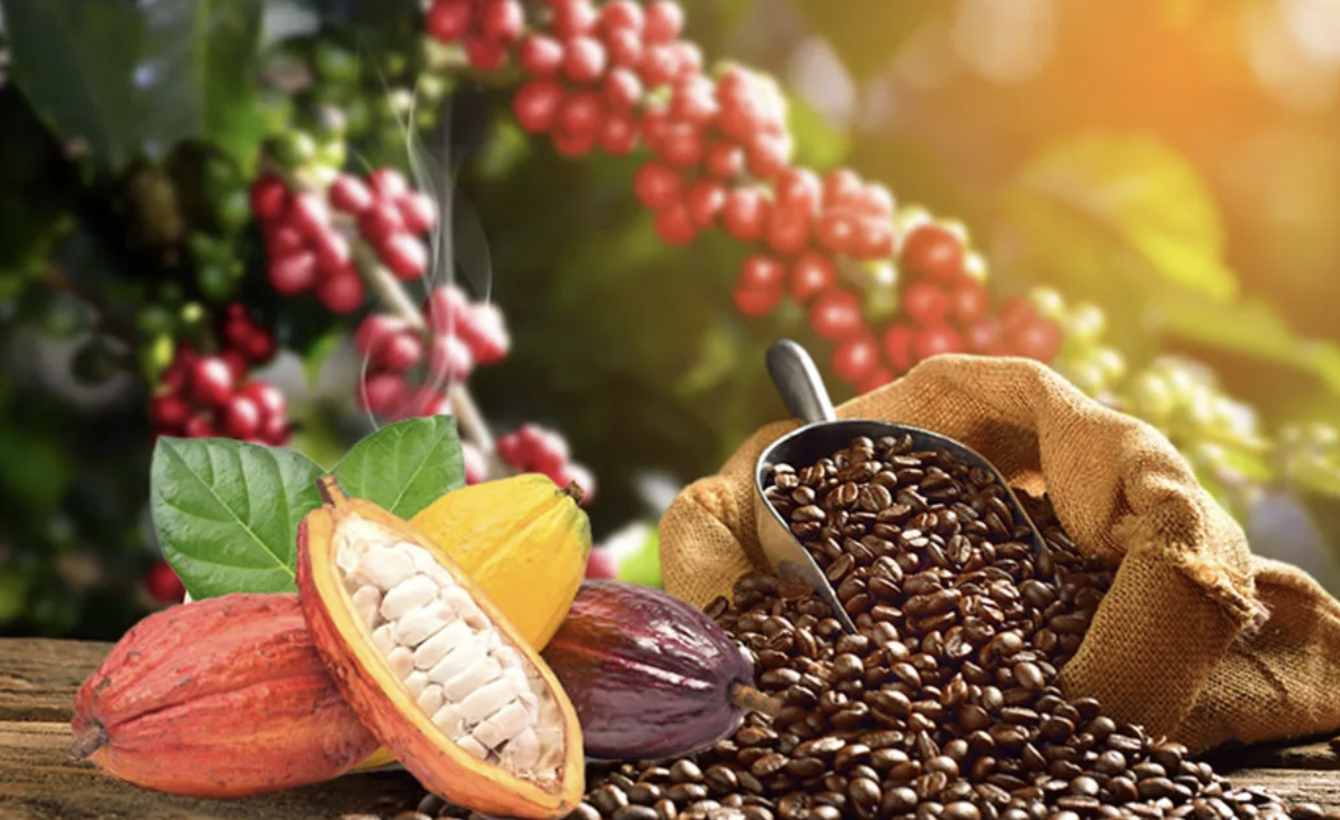
Premier producteur mondial de cacao, la Côte d’Ivoire veut désormais renforcer son poids par la recherche. La création de l’Institut du Café et du Cacao, décidée ce 23 septembre, vise à renforcer les capacités scientifiques du pays face aux maladies, au vieillissement des vergers, aux contraintes climatiques et aux exi...
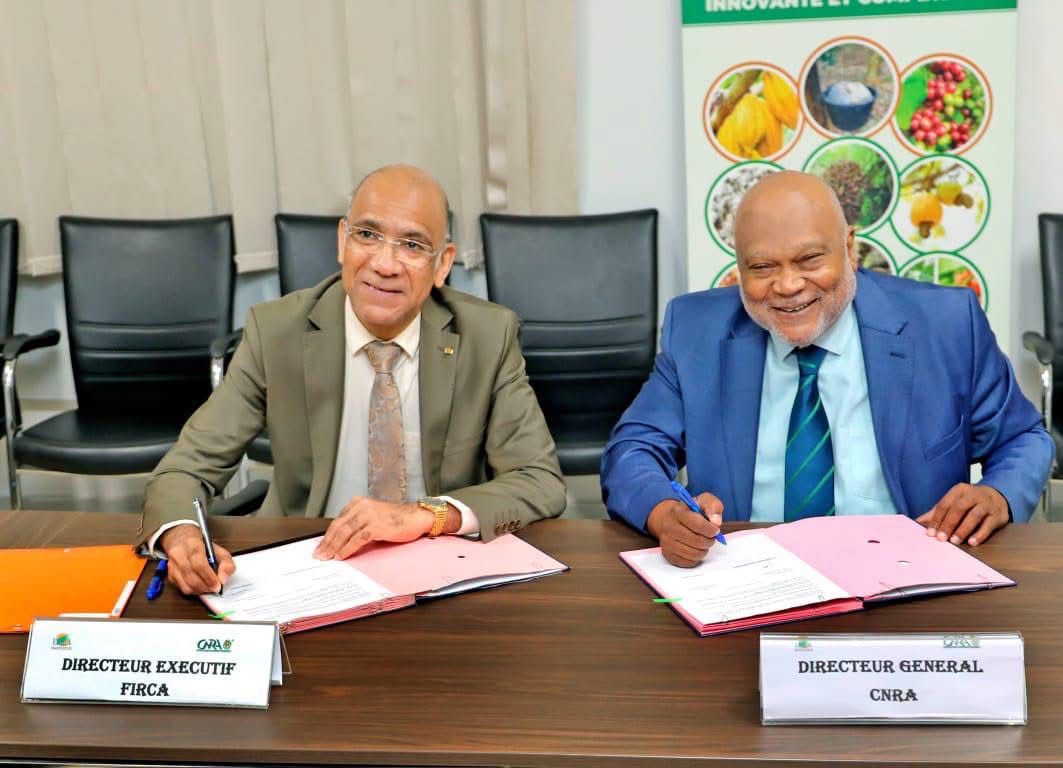
Le Fonds Interprofessionnel pour la Recherche et le Conseil Agricoles (FIRCA) et le Centre National de Recherche Agronomique (CNRA) ont scellé récemment un nouveau chapitre de leur partenariat. La signature a été faite par le Directeur exécutif du FIRCA, Oumar N'Diaye, et le Directeur général du CNRA, le Professeur Abd...

Reçue récemment par le Directeur général de l'Agence Côte d'Ivoire Export, Dr Kaladji Fadiga, une délégation de Update Consulting International a posé les jalons d'un partenariat destiné à faciliter l'accès des produits ivoiriens au marché des États-Unis, en présence de l'Ambassadeur du Burundi en Côte d'Ivoire.

Près de 1,2 milliard de dollars. C’est la valeur atteinte en 2025 par les échanges commerciaux entre la Côte d’Ivoire et le Canada. Le chiffre a été communiqué par Anita Anand, Ministre canadienne des Affaires étrangères, à l’occasion de sa visite de travail en Côte d’Ivoire.
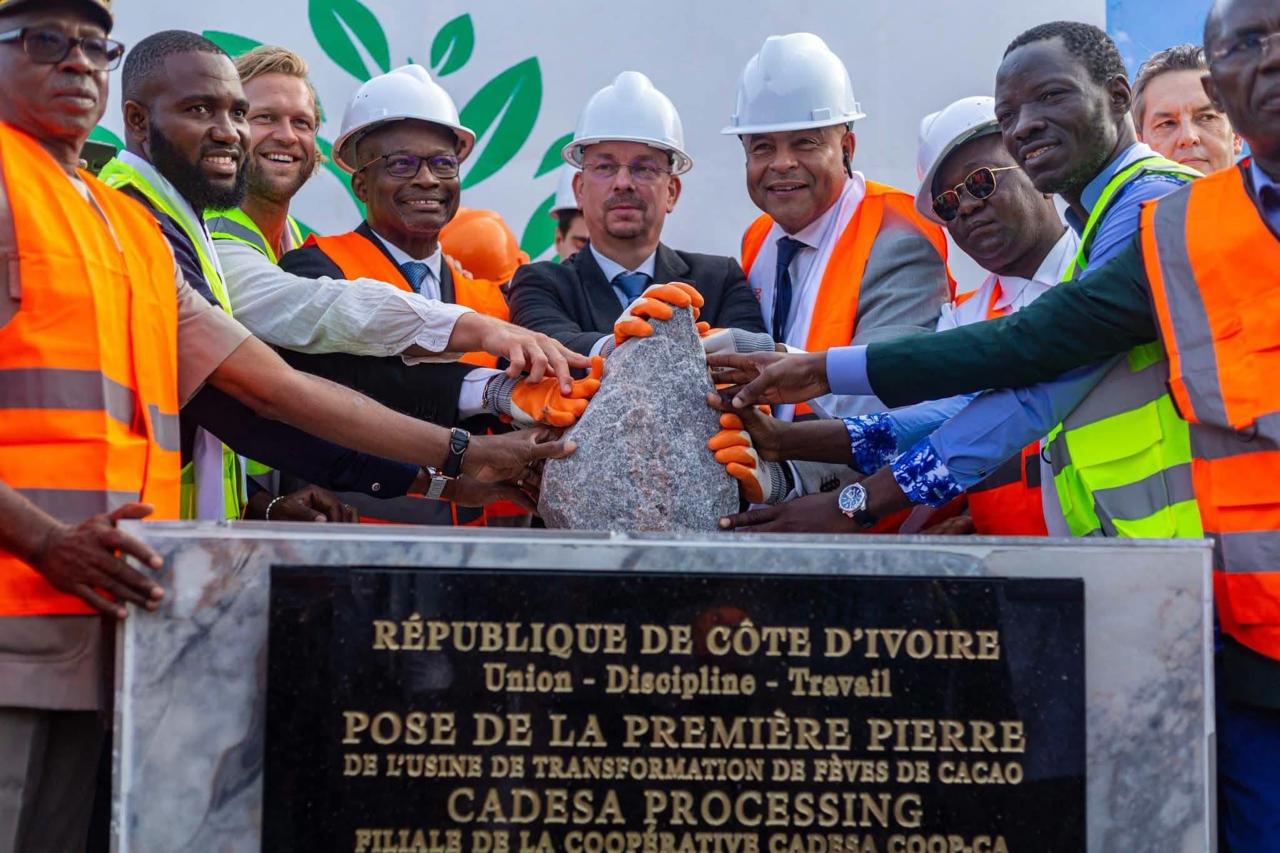
La première pierre de CADESA Processing SA a été posée récemment à Djirognepahio, dans la périphérie de San Pedro. Portée par plus de 4 000 producteurs réunis au sein de la coopérative CADESA, cette future usine incarne un tournant stratégique pour la filière cacao ivoirienne, longtemps cantonnée à l'exportation de fèv...
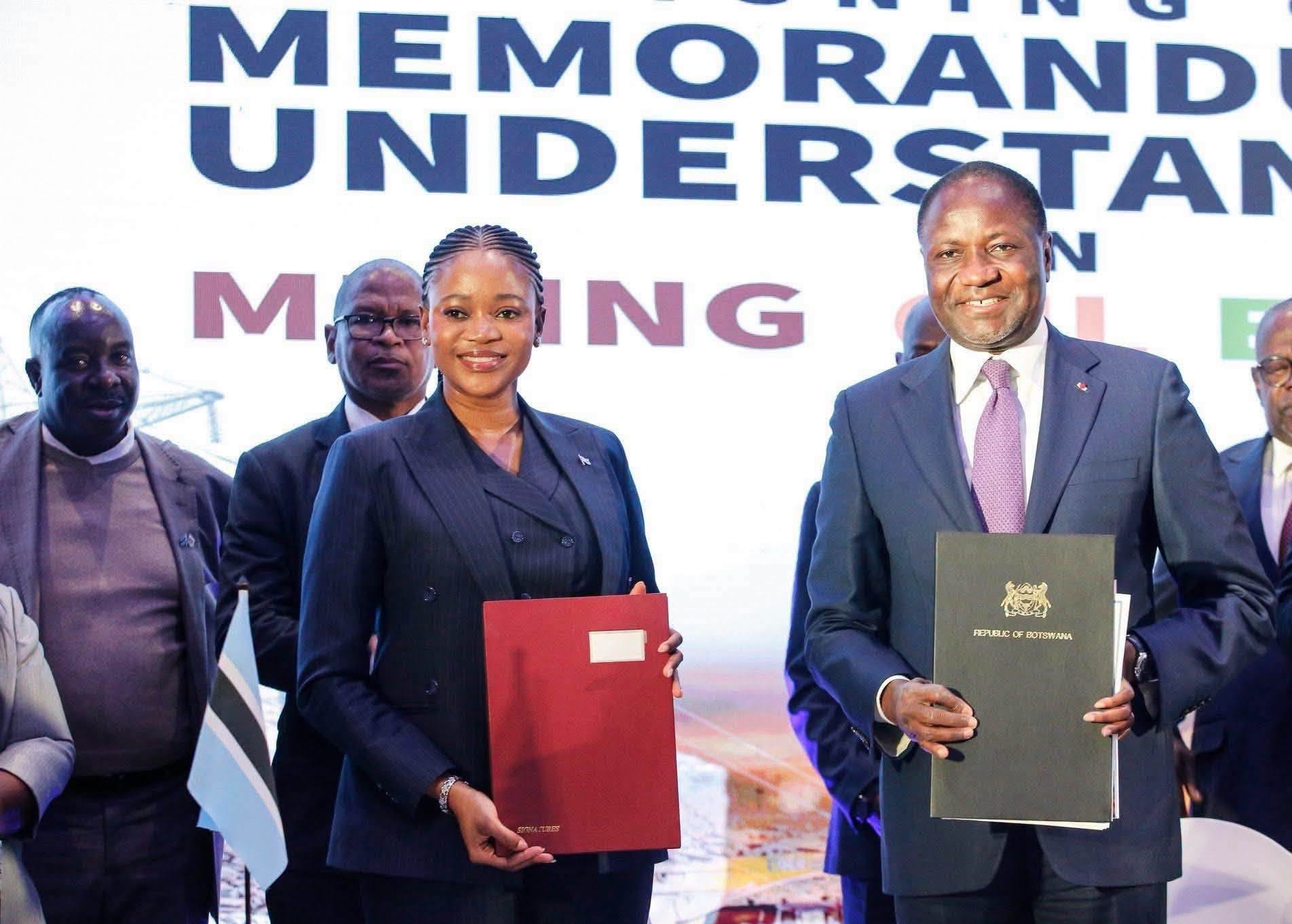
En concluant ce premier accord de coopération de l'histoire, entre les deux pays dans les secteurs des mines et de l'énergie, la Côte d'Ivoire affiche son ambition de transformer ses richesses géologiques en véritable moteur de développement économique, en s'inspirant du Botswana, référence africaine dans la gestion de...
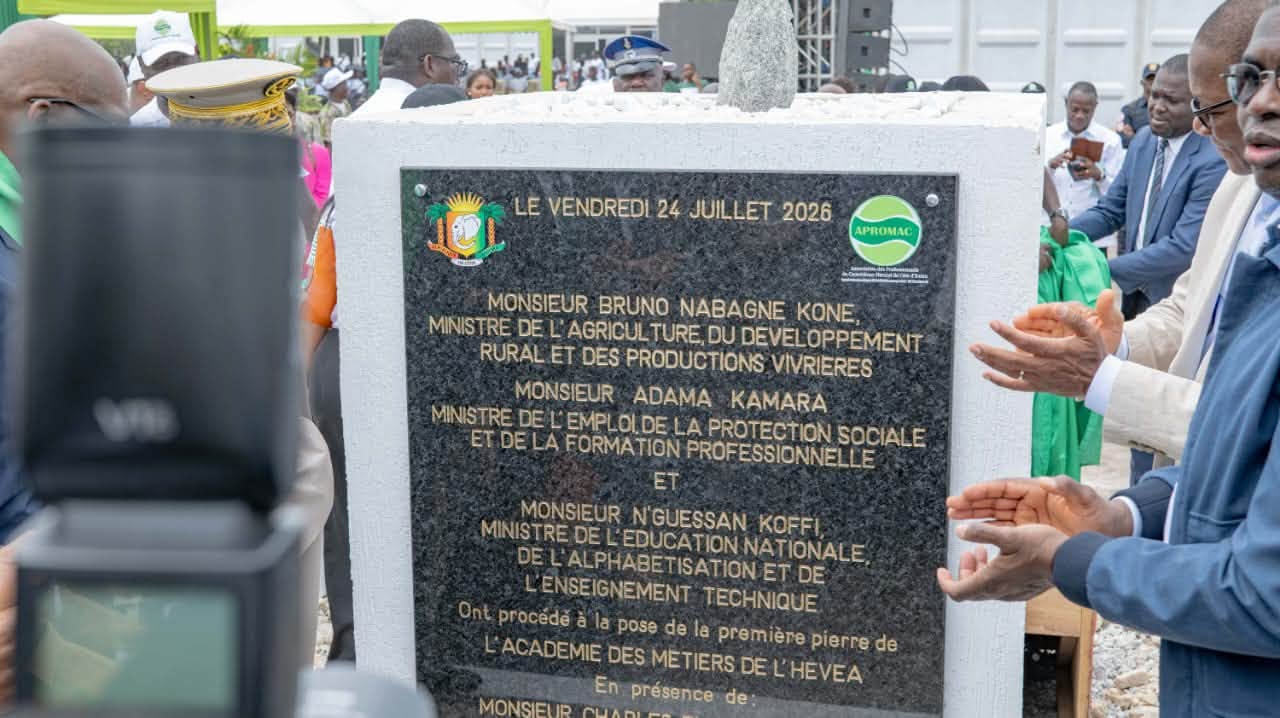
Premier producteur africain de caoutchouc naturel, la Côte d'Ivoire engage une nouvelle étape dans le développement de sa filière hévéa. Avec la création d'une Académie des métiers de l'hévéa, les professionnels veulent former une main d'œuvre qualifiée afin d'accompagner la transformation industrielle et répondre aux...
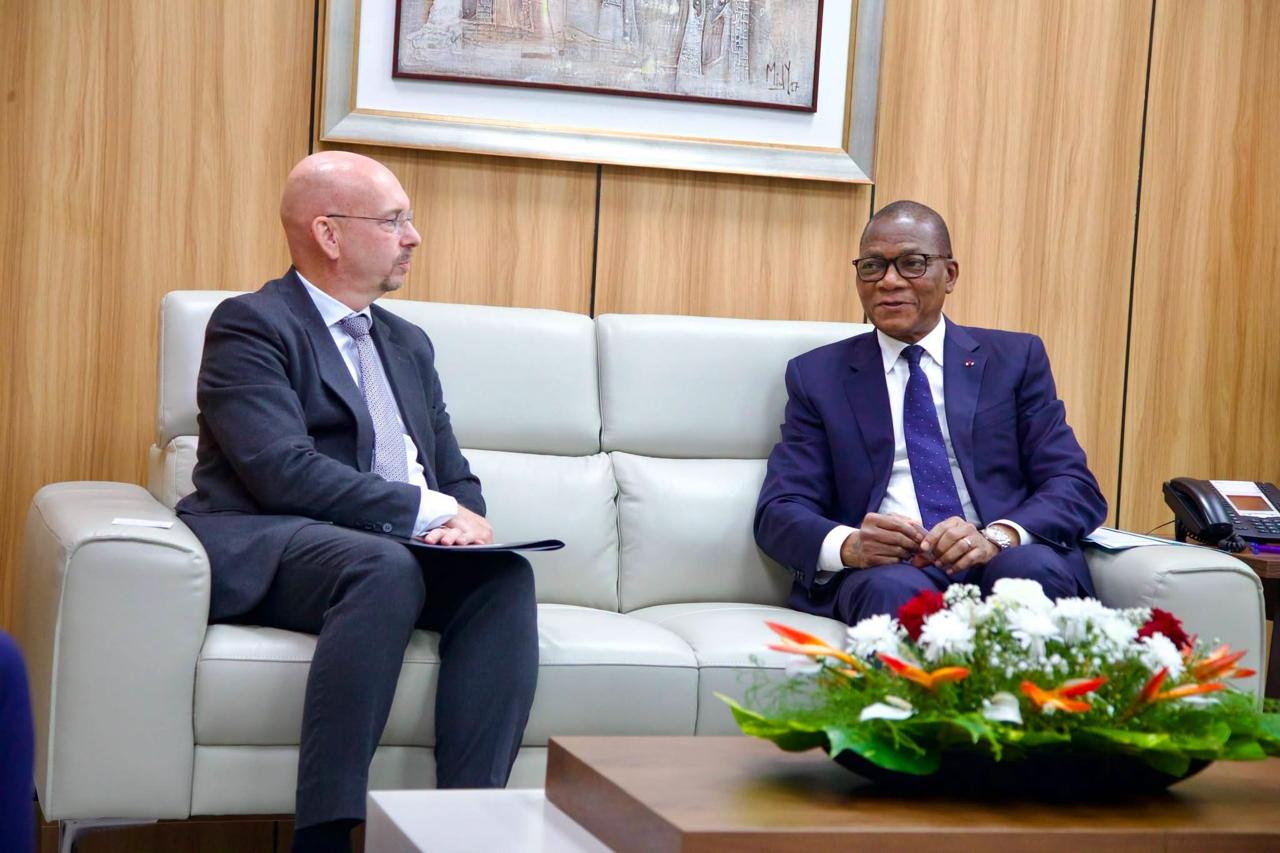
Le partenariat agricole entre la Côte d'Ivoire et les Pays-Bas franchit une nouvelle étape. Le Ministre de l'Agriculture, du Développement Rural et des Productions Vivrières, Bruno Nabagné Kone, a reçu récemment l’Ambassadeur néerlandais Jeroen Kelderhuis pour évaluer la mise en œuvre du mémorandum d'entente de 2023,...
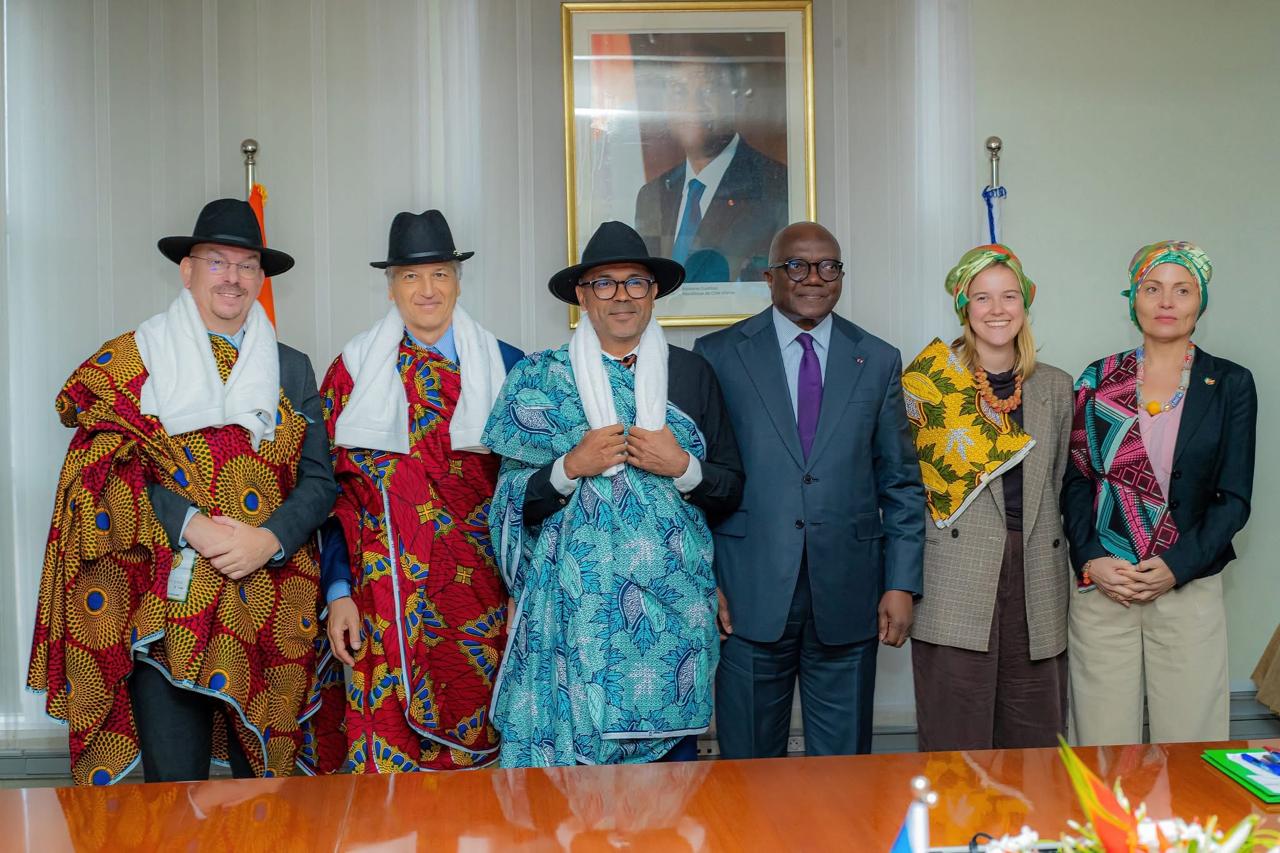
Le Port Autonome de San Pedro a accueilli une imposante délégation de l'Union européenne, conduite par son Ambassadeur en Côte d’Ivoire Irchad Ramiandrasoa Razaaly, accompagné des ambassadeurs des Pays-Bas, d'Espagne ainsi que de représentantes des ambassades de Belgique et d'Allemagne. Cette visite de haut niveau a mi...
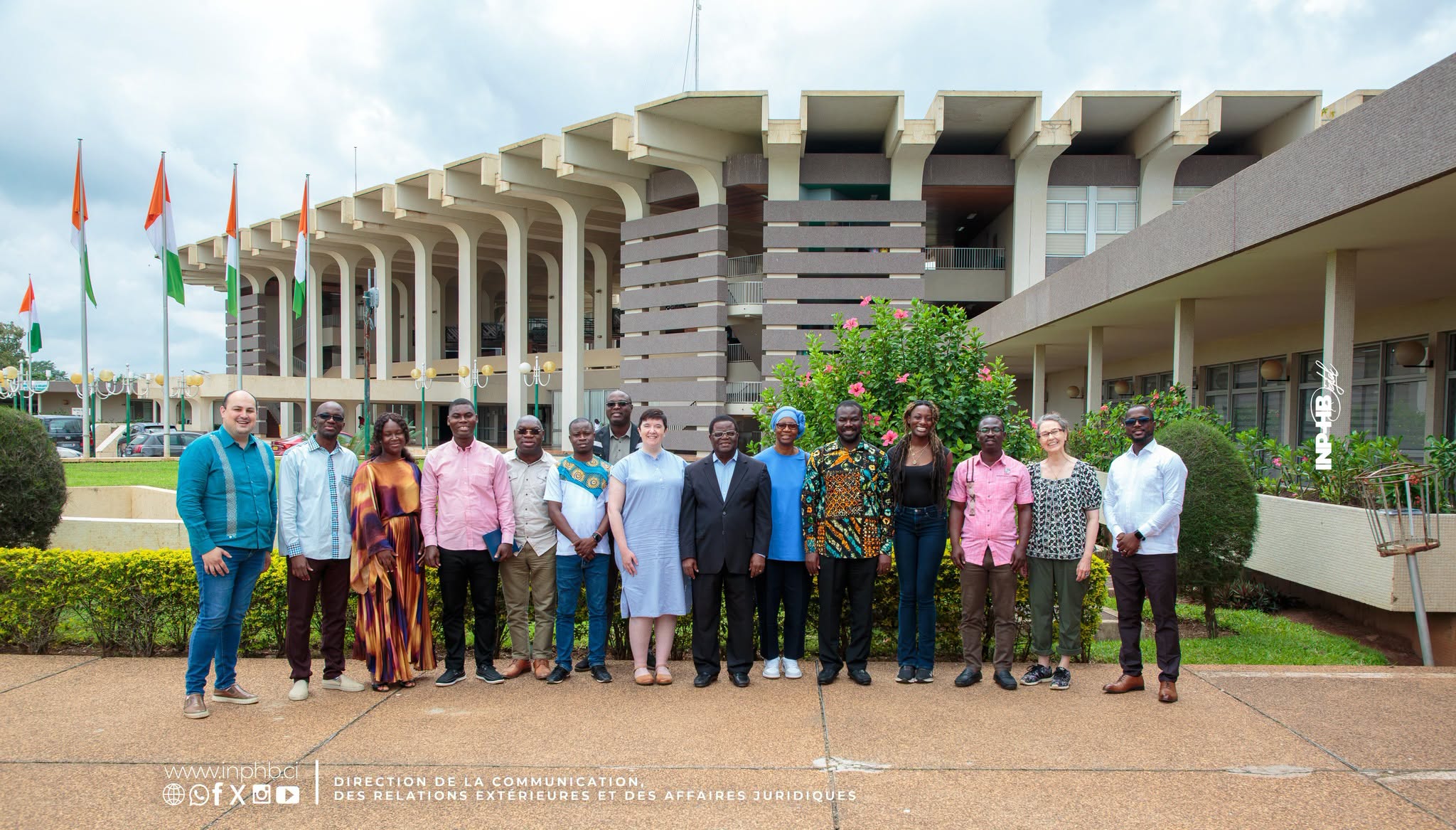
Une délégation de l'Université Harvard a effectué le jeudi 18 juin 2026 une visite officielle à l'Institut National Polytechnique Félix Houphouët-Boigny (INP-HB) de Yamoussoukro. Cette rencontre ouvre la voie à une collaboration académique et scientifique d'envergure autour d'un projet de recherche sur les effets du ch...
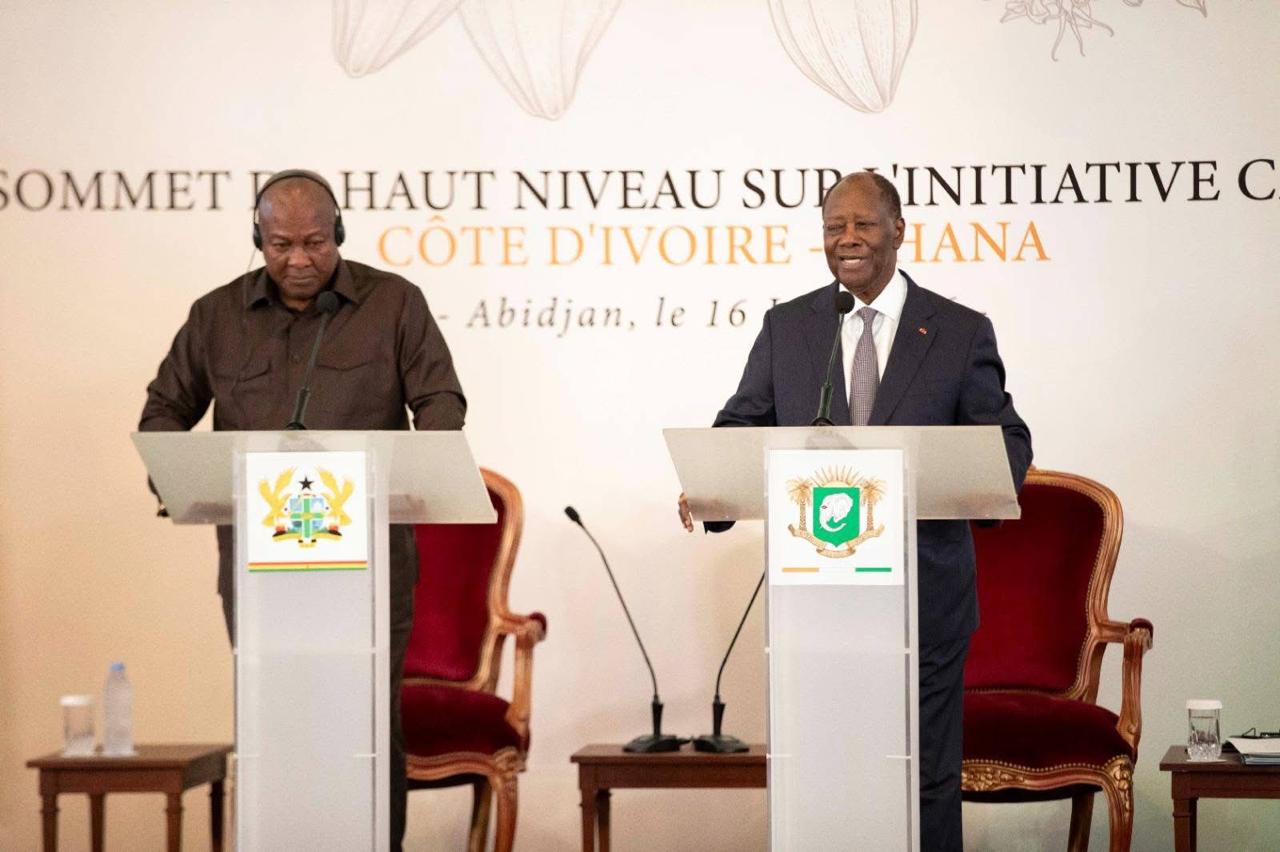
Réunis le 16 juin 2026 à Abidjan, les Présidents S.E Alassane OUATTARA et S.E John Dramani Mahama ont franchi un cap décisif dans la refondation de l'économie cacaoyère mondiale. À l'issue de la 7ème réunion du Comité de pilotage de l'Initiative Cacao Côte d'Ivoire-Ghana (ICCIG), les deux chefs d'État ont entériné 5 dé...
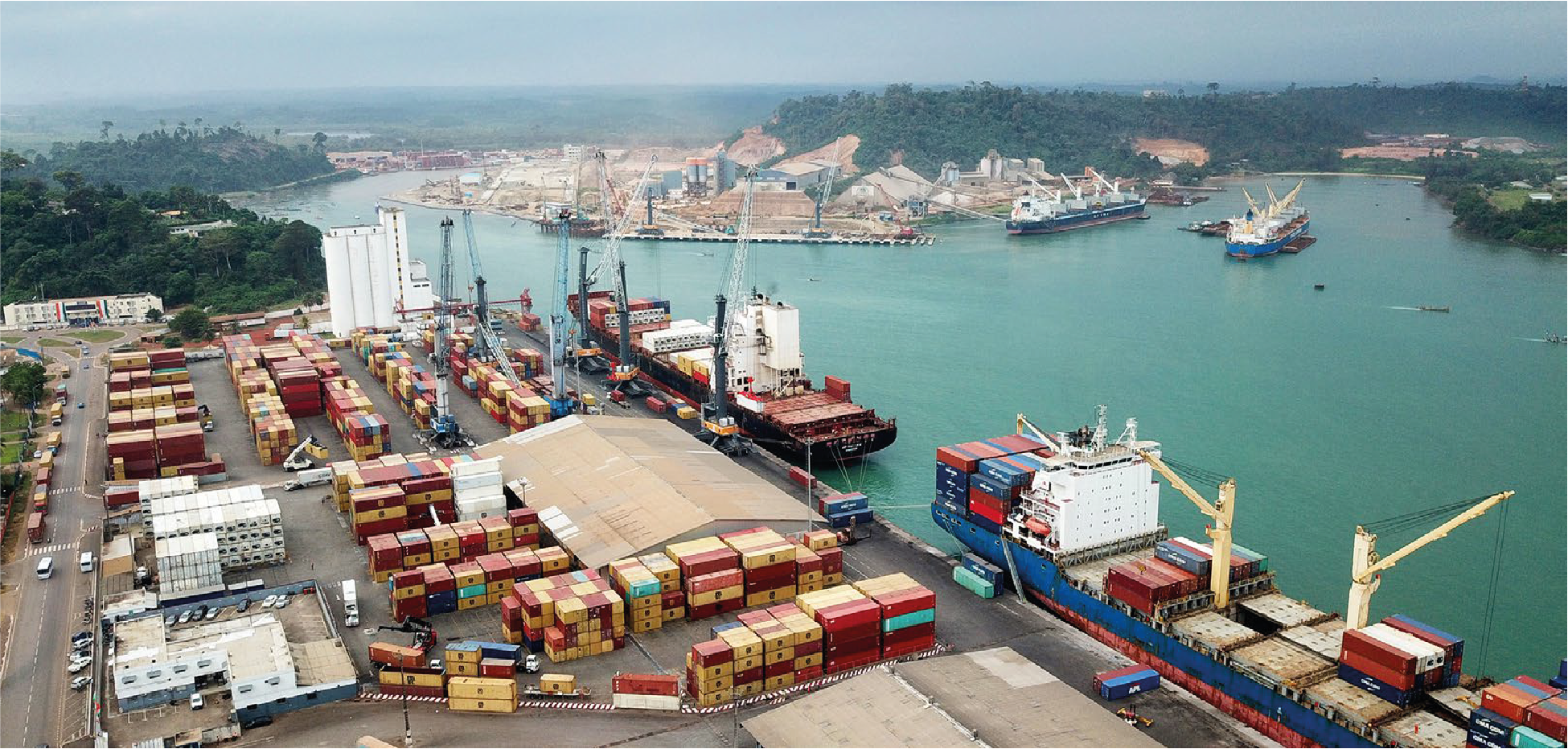
Le port autonome de San Pedro s'est hissé au 9ème rang des ports à conteneurs les plus performants d'Afrique et au 211e rang mondial, selon le Container Port Performance Index (CPPI) 2025, publié le 10 juin 2026 par la Banque mondiale et S&P Global Market Intelligence. Une consécration qui traduit une transformation pr...
 English
 Français