 English
 Français
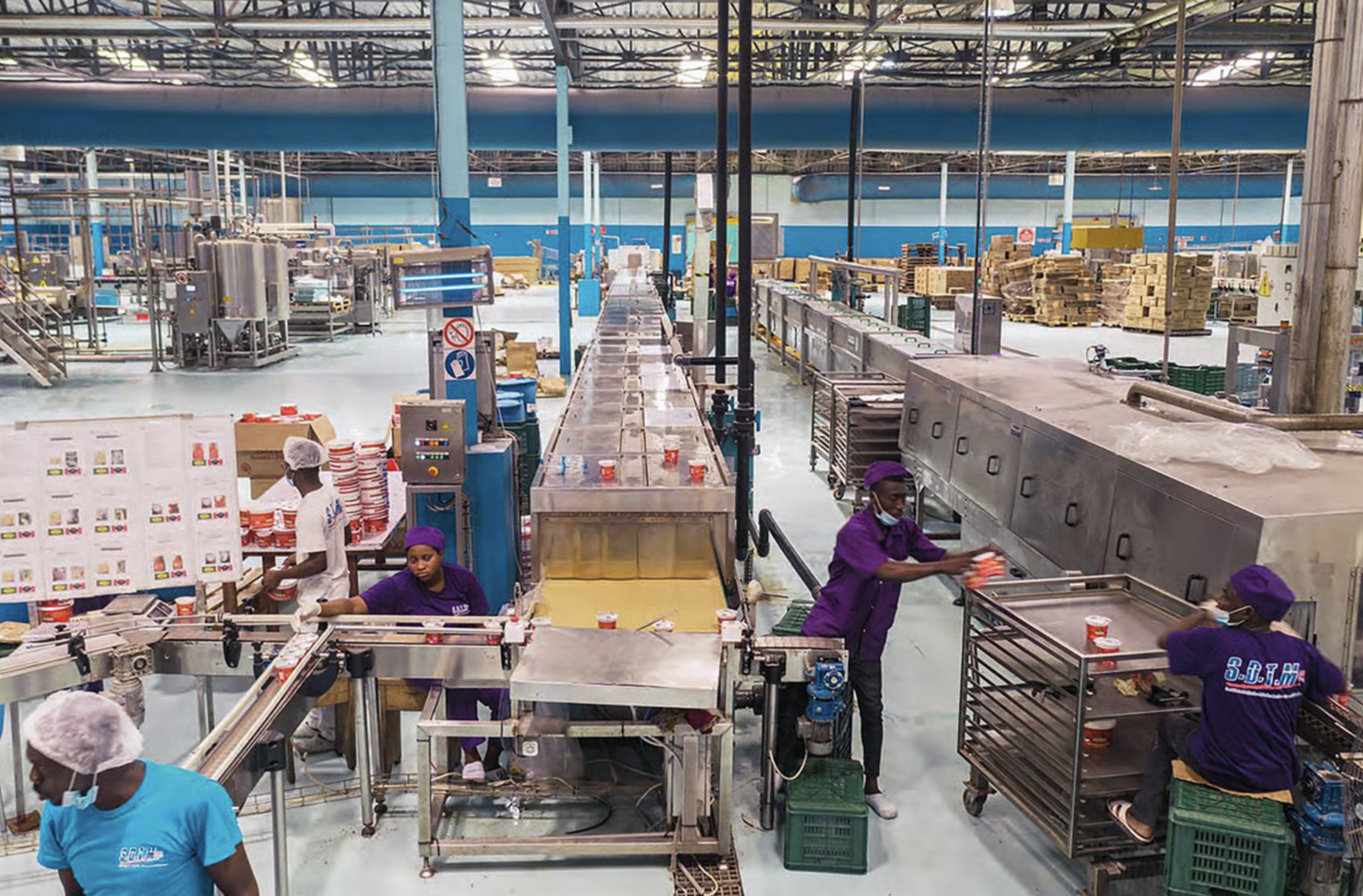
L'agro-industrie, pilier historique
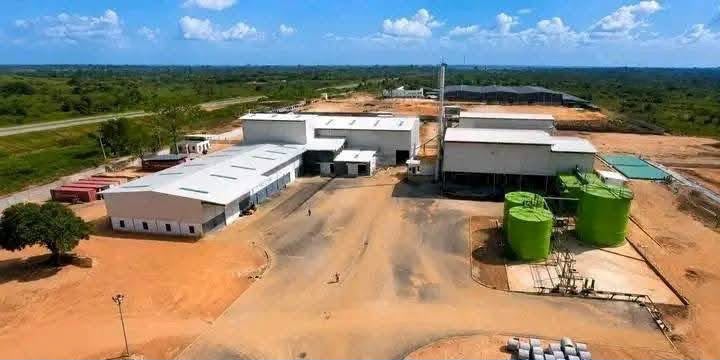
La Côte d'Ivoire est le premier producteur mondial de cacao et un géant de la noix de cajou. Mais l'enjeu n'est plus seulement de produire, il est de transformer. Aujourd'hui, 40% du cacao et 21% du cajou sont déjà traités localement, avec un objectif affiché de 100% d'ici 2030, appuyé par des politiques d'exonérations fiscales ciblées. Dans ce secteur, l'usine Robust International Côte d'Ivoire, dédiée à la transformation de l'anacarde, illustre cette dynamique en créant plus de 1 000 emplois directs. Les filières oléagineuses ne sont pas en reste, des unités comme OLHEOL à Bouaké et COTRAF à Korhogo transforment les graines de coton en huile, avec une capacité cumulée de trituration dépassant 345 000 tonnes par an.
Matériaux de construction et sidérurgie
Le boom de l'urbanisation ivoirienne s'appuie sur une industrie des matériaux qui monte en gamme. Dangote Cement incarne la modernisation du secteur ciment, avec une présence significative sur le marché local. Dans la sidérurgie, la SOTACI se distingue comme principal acteur avec une capacité de production de 150 000 tonnes d'acier par an, alimentant les chantiers d'infrastructures publiques et privées. Des entreprises comme POLYCHIMIE, la Société Tropicale d'Engrais et de Produits Chimiques (STEPC) et l’Africaine de Chimie et de Produits Mixtes (AFRICHIM),structurent, quant à elles, la chimie et la plasturgie, secteurs en expansion dans lesquels 315 nouvelles entreprises ont été créées entre 2019 et 2023, générant plus de 16 677 emplois directs.
L'énergie et l'extractif, nouveaux horizons
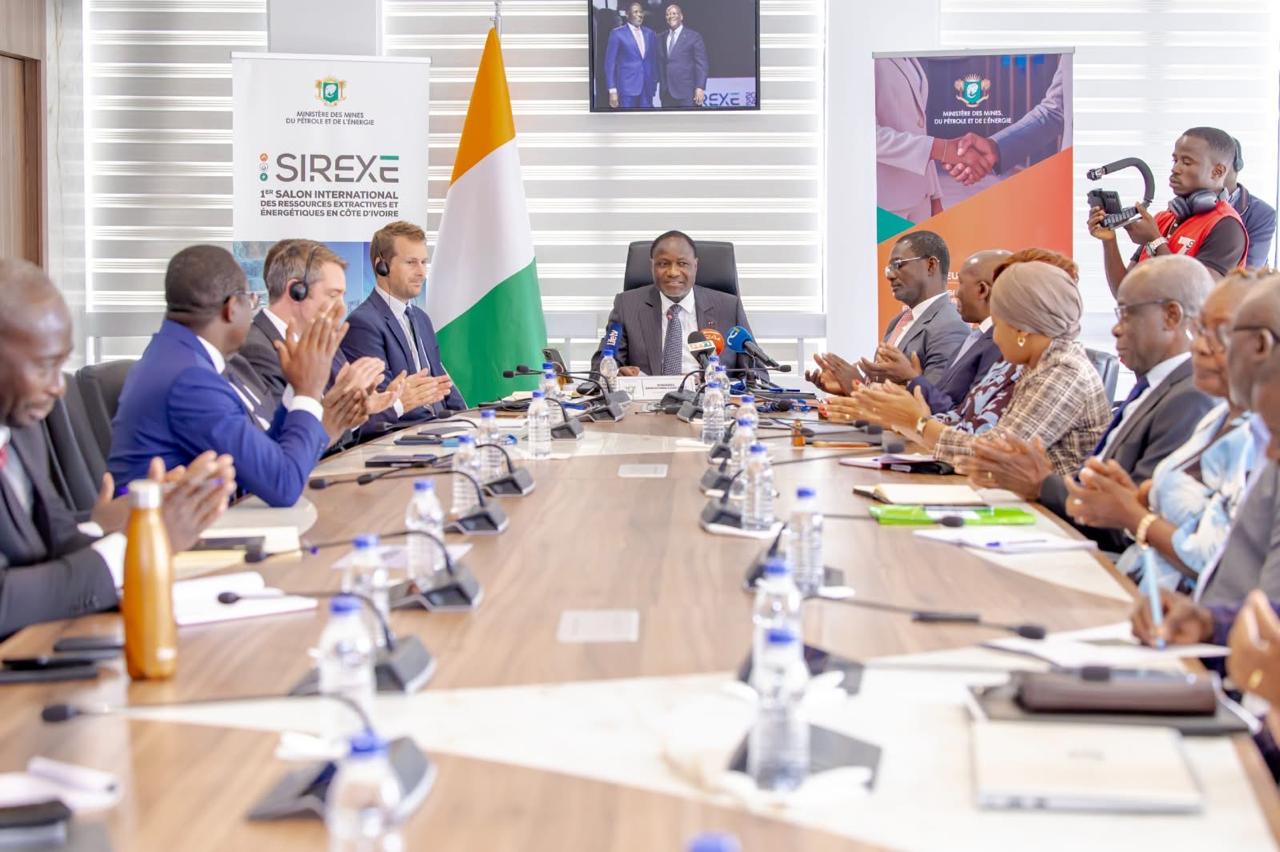
La découverte du gisement pétrolier Baleine (estimé à 2,5 milliards de barils de pétrole brut et 3 300 milliards de pieds cubes de gaz naturel) change la donne pour l'industrie énergétique ivoirienne. Ce gisement, le plus important jamais découvert dans le pays, entraîne dans son sillage le développement d'infrastructures industrielles connexes. Les industries extractives ont ainsi enregistré une croissance de 68,3% au premier semestre 2025, portées par l'extraction d'hydrocarbures et de minerais métalliques. En parallèle, plusieurs zones industrielles sortent de terre, à Yamoussoukro (80 milliards de FCFA investis), Anyama et Ferkessédougou, pour mieux répartir le tissu productif sur l'ensemble du territoire.
Malgré ces avancées, des défis subsistent. Le secteur industriel ivoirien compte environ 8 500 entreprises réparties en dix branches d'activité, selon l'Institut National des Statistiques. L'objectif du gouvernement est de porter la part de l'industrie dans le PIB à 30% d'ici 2030, contre 22,7% aujourd'hui. Pour y parvenir, le pays mise sur des partenariats public-privé renforcés, l'essor des zones industrielles spécialisées et une montée en compétences de la main-d'œuvre locale. Ce sont ces usines (du broyeur de cacao de l'intérieur du pays à la raffinerie pétrolière en gestation sur la côte atlantique) qui dessinent, pierre après pierre, l'architecture d'une Côte d'Ivoire industrielle et souveraine.