 English
 Français
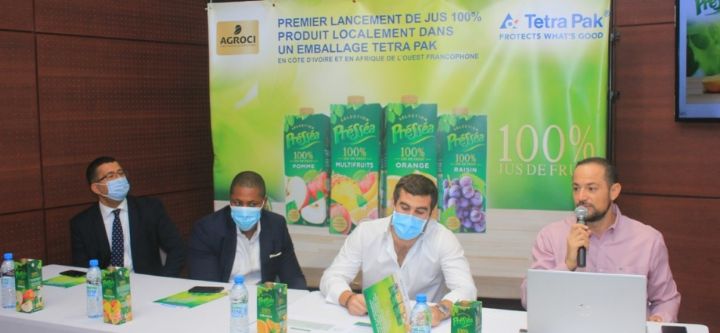
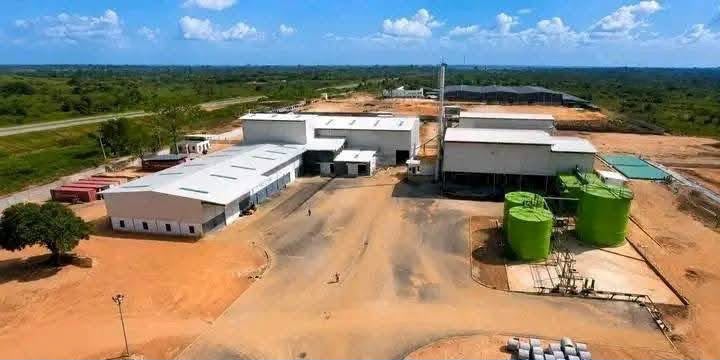
C'est en 2020 qu'AGROCI entre officiellement en production. Derrière ce projet industriel se trouve le groupe Kirène, né en 2001 au Sénégal avec le lancement d'une eau minérale éponyme, avant de s'étendre à toute la sous-région en tant que spécialiste des nectars de fruits. L'implantation en Côte d'Ivoire résulte d'une foi assumée dans le potentiel économique ivoirien, comme l'a déclaré la direction de l'entreprise lors du lancement. Financé à hauteur de 40 millions d'euros, soit 26,2 milliards de francs CFA, avec le soutien de la Banque mondiale à hauteur de plus de 40%, à travers sa branche Société Financière Internationale (SFI), le projet est d'emblée dimensionné pour peser lourd sur le marché. L'usine est bâtie sur une superficie d'environ 9 hectares dans la zone industrielle de Bonoua, équipée d'outils de production aux normes internationales. Dès l'origine, 90 à 95% du personnel recruté est ivoirien, dont plus de 30% de femmes, traduisant une politique d'emploi local affirmée.
Un portefeuille de produits ancré dans le terroir
AGROCI s'est d'abord fait connaître par la commercialisation de l'eau minérale Kirène sur le marché ivoirien, avant de développer une gamme de boissons gazeuses et non gazeuses. Mais c'est avec la marque Présséa que l'entreprise a révélé toute son ambition industrielle. En partenariat avec Tetra Pak, leader mondial de l'emballage alimentaire, AGROCI a lancé en 2021 une ligne de jus naturels 100% ivoiriens, sans conservateurs, sans colorants artificiels ni sucre ajouté. Ce positionnement répond à un constat de marché criant. À l'époque du lancement, 80% des jus naturels consommés en Côte d'Ivoire étaient importés, rendant les produits locaux très onéreux pour le consommateur ordinaire. Avec une capacité de production annuelle de 30 millions de litres de jus sous la marque Présséa, AGROCI s'est fixé l'objectif de couvrir 50% de la demande nationale. En 2022, l'entreprise a également lancé un nouveau format d'emballage de 200 ml pour s'adapter aux habitudes de consommation des ménages ivoiriens.
Un impact considérable sur l’industrie
L'impact d'AGROCI sur le tissu économique ivoirien est concret et mesurable. L'entreprise a généré 180 emplois directs et 1 000 emplois indirects peu après son démarrage. Sa capacité de production totale (eau minérale et boissons confondues) est estimée à 250 millions de litres par an, positionnant l'usine comme l'une des plus performantes du secteur en Afrique de l'Ouest. Sur le plan de la qualité, AGROCI a obtenu des certifications aux normes internationales à toutes les étapes de sa chaîne de production, de la fabrication jusqu'aux points de vente. L'entreprise affiche également une politique RSE (Responsabilité Sociétale des Entreprises) orientée vers le bien-être des communautés locales et la préservation de l'environnement, avec des pratiques durables intégrées à son modèle industriel. Son partenariat stratégique avec Tetra Pak (qui fournit des équipements de traitement et d'emballage de pointe) renforce sa compétitivité à l'export et ouvre des perspectives vers d'autres marchés d'Afrique de l'Ouest.
En quelques années, AGROCI est passée du statut de projet industriel à celui de référence dans le secteur agroalimentaire ivoirien. Dans un pays où les matières premières agricoles abondent mais où la transformation locale reste insuffisante, l'entreprise de Bonoua incarne une réponse concrète au défi de l'industrialisation. En alliant capitaux étrangers, partenariats technologiques de haut niveau et ancrage local, AGROCI démontre que la souveraineté alimentaire et la compétitivité industrielle ne sont pas incompatibles, à condition d'y mettre la volonté et les investissements nécessaires.