 English
 Français
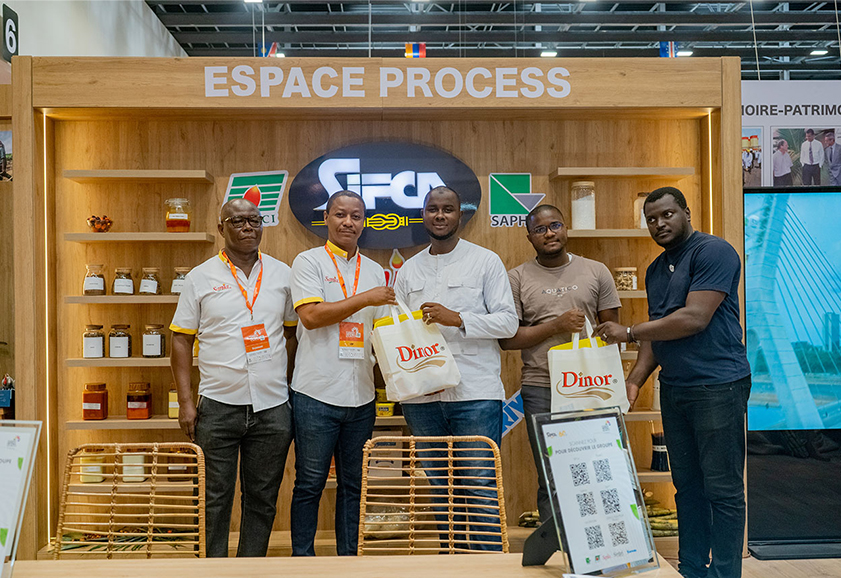
Le 28 septembre 1964, au lendemain de l'indépendance, naît la Société Immobilière et Financière de la Côte Africaine (SIFCA). Le contexte est porteur, la Côte d'Ivoire vit son « miracle économique » sous le Président Feu Félix Houphouët-Boigny, et les ambitions agricoles du pays sont immenses. À ses débuts, le groupe se consacre à la production et à la commercialisation du café, du cacao et du riz, des filières alors au cœur de l'économie nationale. La Côte d'Ivoire étant le premier producteur mondial de cacao, SIFCA en devient naturellement le champion national et, par extension, l'une des premières entreprises cacaoyères du monde. À partir de 1997, le groupe opère un virage stratégique décisif en se spécialisant dans les oléagineux et le sucre, puis dans l'hévéa dès 1999. Cette reorientation lui permet de se repositionner sur des filières à forte valeur ajoutée, tout en anticipant les mutations du marché mondial des matières premières agricoles.
Trois piliers, une chaîne de valeur intégrée
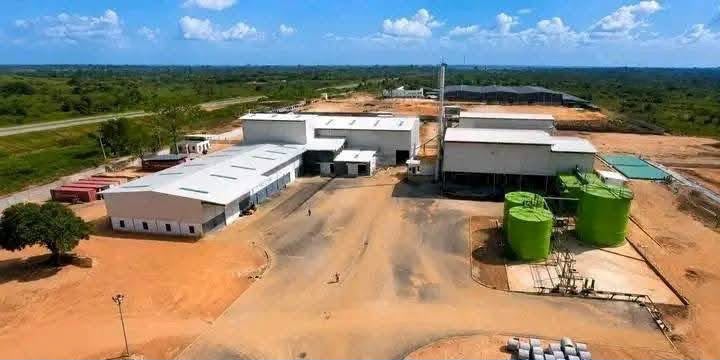
La force de SIFCA réside dans sa maîtrise totale de la chaîne de production, de l'exploitation des plantations à la commercialisation des produits finis, en passant par la transformation industrielle. Ce modèle intégré s'articule autour de trois filières stratégiques. L'huile de palme constitue le cœur du dispositif. À travers sa filiale PALMCI, SIFCA détient une part de marché de 35% de la production d'huile de palme en Côte d'Ivoire. La raffinerie SANIA, basée à Abidjan, transforme l'huile brute en produits finis destinés à la consommation locale et à l'exportation. Le groupe vise à terme une production d'un million de tonnes d'huile de palme sur le continent. Le caoutchouc naturel représente le deuxième pilier. Via la Société Africaine de Plantations d'Hévéas (SAPH) et sa holding internationale Société Internationale de Plantations d'Hévéas (SIPH) coté à Paris, SIFCA contrôle environ 35% de la production nationale de caoutchouc naturel. Ce positionnement fait du groupe un acteur de référence sur les marchés internationaux du latex. Le sucre de canne, enfin, est géré exclusivement par SUCRIVOIRE, filiale active depuis 1997 qui produit du sucre blanc, blond et roux distribué sur le marché ivoirien. SIFCA est l'un des deux principaux acteurs de l'industrie sucrière nationale, renforçant ainsi la souveraineté alimentaire du pays.
Un impact industriel et social de premier plan
L'empreinte de SIFCA sur le tissu économique ivoirien est considérable. Premier employeur privé de Côte d'Ivoire, le groupe compte plus de 33 000 employés. Présent dans cinq pays (Côte d'Ivoire, Libéria, Ghana, Nigeria et France), il incarne l'ambition d'un conglomérat africain capable de rivaliser avec les multinationales agro-industrielles mondiales. Au-delà de ses performances économiques, SIFCA s'est engagé dès 2007 dans une démarche de Responsabilité Sociétale des Entreprises (RSE), développant de nombreux projets socio-économiques dans les communautés riveraines de ses sites. Cet engagement a été salué le 7 novembre 2023 par le comité de concertation État/secteur privé ivoirien, qui lui a décerné le Prix de l'entreprise privée modèle en matière de RSE. Sur le plan énergétique, SIFCA a également développé le projet Biokala, une centrale de production d'électricité à partir de biomasse issue de ses plantations, avec un objectif de 150 à 200 MW à terme. Une initiative qui illustre l'ancrage du groupe dans l'économie circulaire et sa contribution directe à l'autonomie énergétique du pays.
Plus de 60 ans après sa création, SIFCA n'a rien perdu de son appétit de croissance. En mai 2025, lors du Salon International de l'Agriculture et des Ressources Animales d'Abidjan (SARA), le groupe a célébré ses six décennies d'existence en réaffirmant sa vision d'une agro-industrie africaine souveraine, durable et compétitive. Signataire d'une convention avec Fairtrade Africa, il entend désormais conjuguer performance économique et agriculture inclusive. Né ivoirien, devenu continental, le Groupe SIFCA incarne mieux que tout autre la capacité de l'Afrique à bâtir des champions industriels endogènes, et à en faire des leviers de développement durable pour des générations entières.