

18 result(s) for “Prix du Stand d'Or”
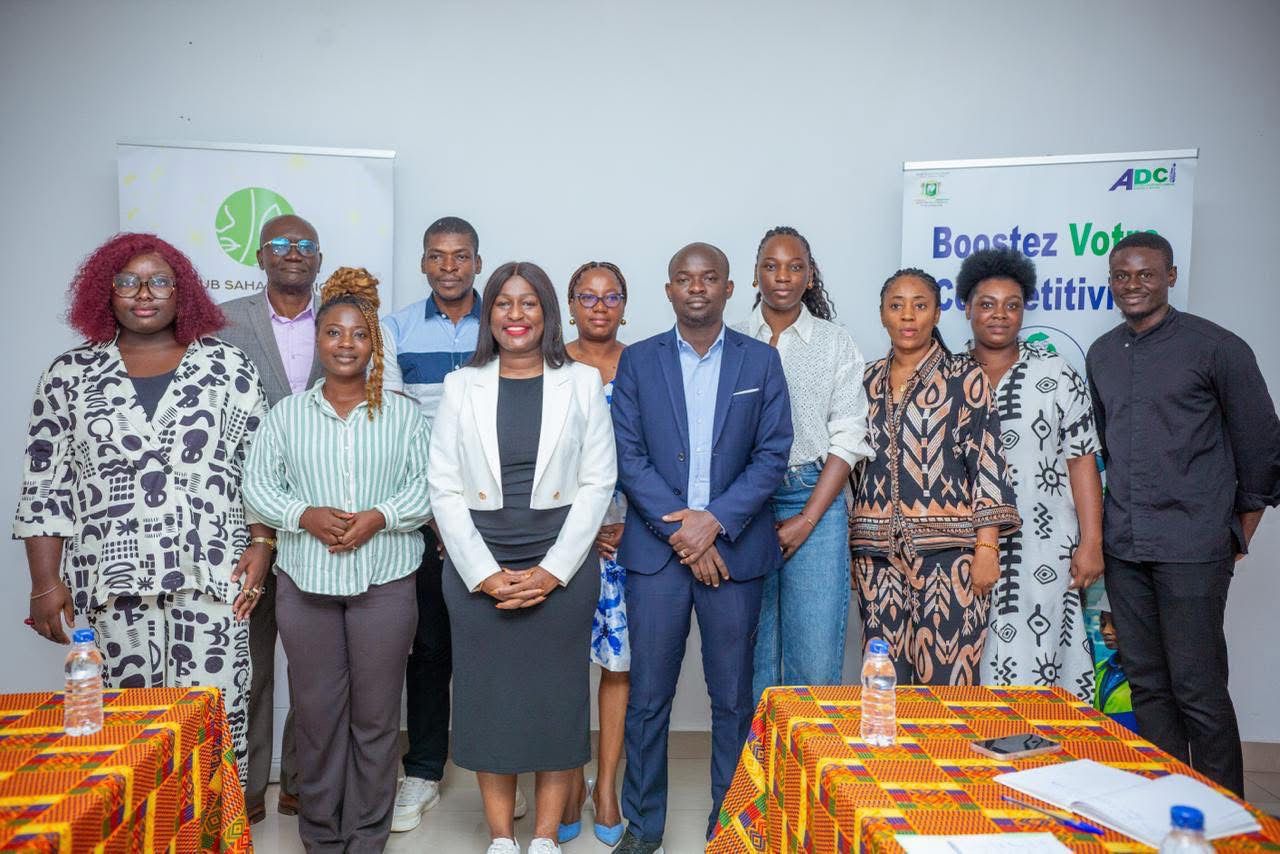
L'Agence pour le Développement et la Compétitivité des Industries de Côte d'Ivoire (ADCI) a reçu récemment la Gérante de Sub Saharian Bio, Mme Coulibaly, accompagnée de deux collaborateurs, pour la signature d'une convention d'accompagnement dans le cadre du Programme National de Restructuration et de Mise à Niveau (PN...

Le Ministère des Transports et des Affaires maritimes a dévoilé, jeudi 13 août 2026 à Abidjan, un plan de réformes visant à mieux encadrer les Véhicules de Transport avec Chauffeur (VTC) et les services de livraison de colis. L'annonce a été faite par la Direction Générale des Transports Terrestres et de la Circulation...
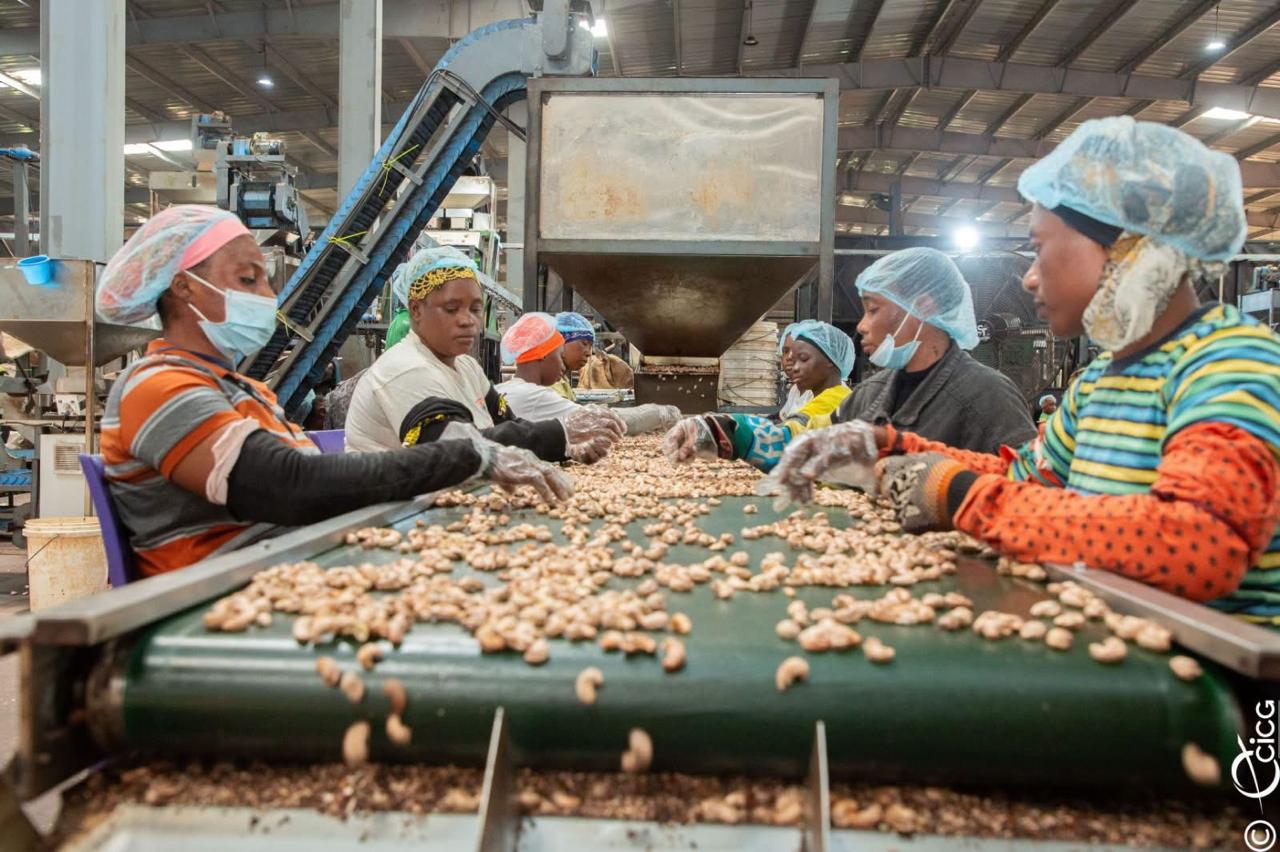
Longtemps exportée brute, la noix de cajou ivoirienne prend racine industrielle à Boundiali. À Tombougou, les machines de PAN Agro Africa Commodities tournent déjà à plein régime, traitant chaque jour des tonnes d'amandes qui, hier encore, partaient vers l'Asie pour y être décortiquées. Un symbole de la mue industriell...
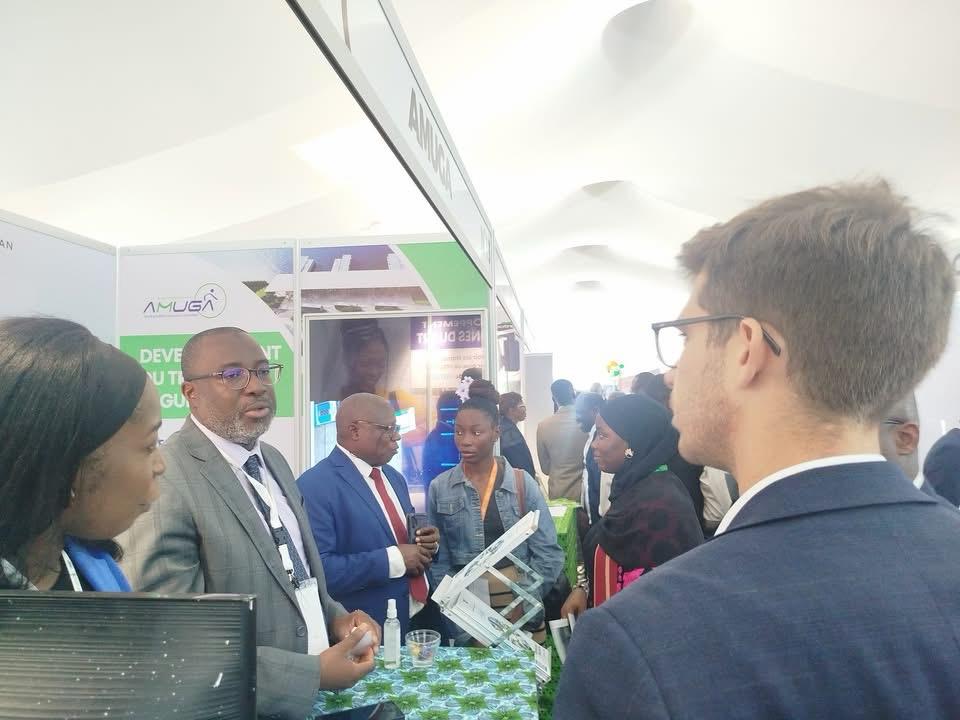
L'Autorité de Mobilité Urbaine du Grand Abidjan (AMUGA) a présenté 11 projets structurants lors d'un événement tenu les 8 et 9 juillet 2026, dans le cadre du Plan National de Développement 2026-2030. Ces initiatives, représentant un investissement global proche de 1400 milliards de F CFA, comprennent notamment 8 lignes...
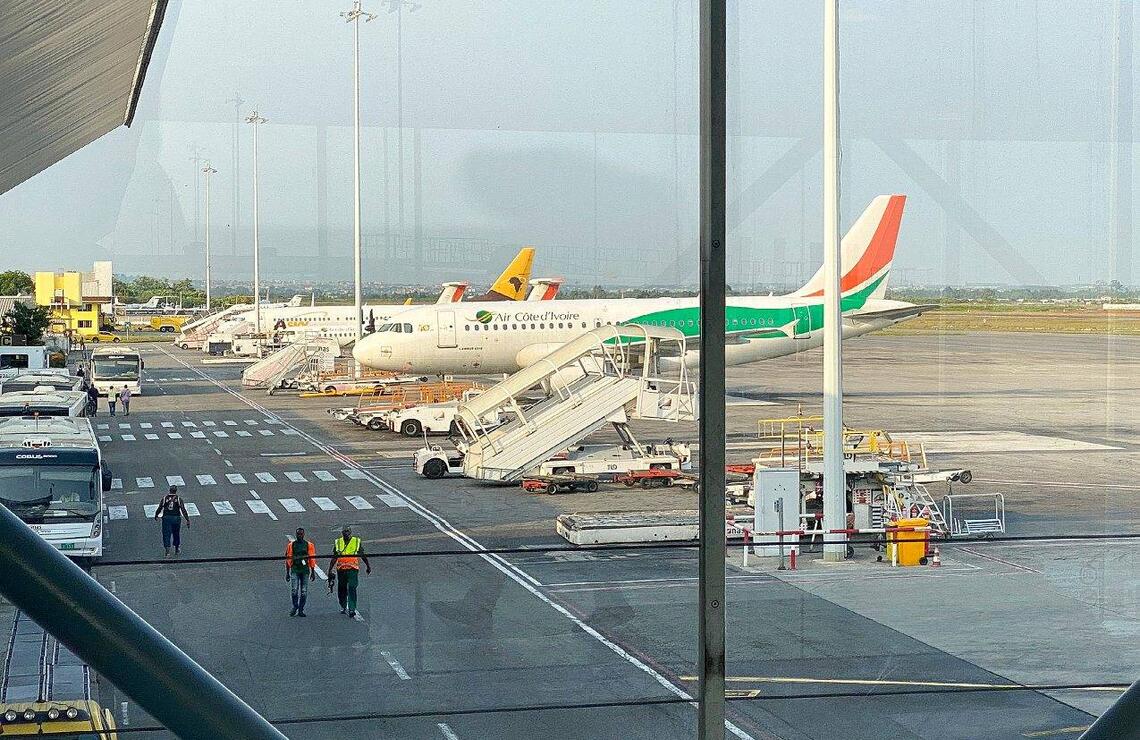
La Côte d'Ivoire devient le premier et unique pays de la CEDEAO à avoir supprimé les taxes visées par la décision régionale sur le transport aérien, selon un constat dressé par les Chefs d'État de la région réunis à Lungi.
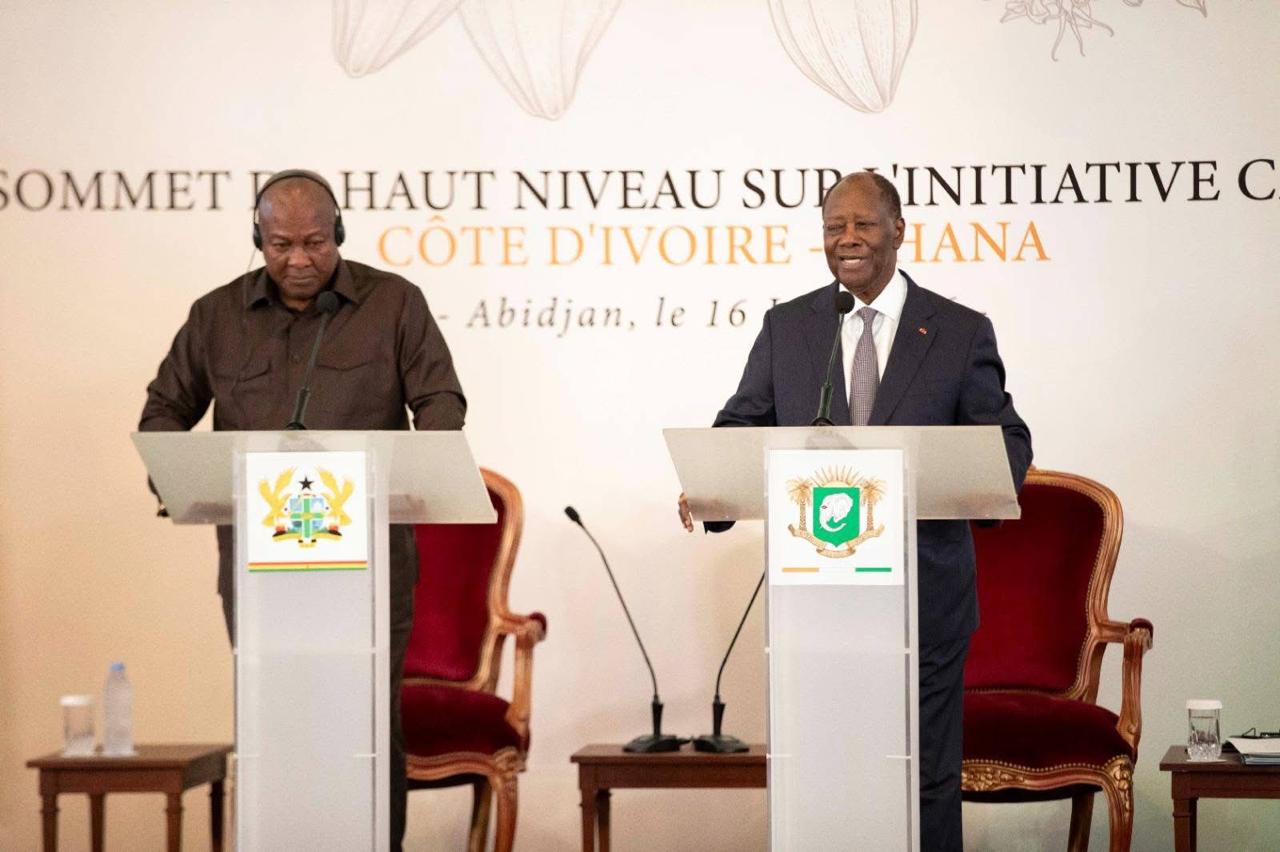
Réunis le 16 juin 2026 à Abidjan, les Présidents S.E Alassane OUATTARA et S.E John Dramani Mahama ont franchi un cap décisif dans la refondation de l'économie cacaoyère mondiale. À l'issue de la 7ème réunion du Comité de pilotage de l'Initiative Cacao Côte d'Ivoire-Ghana (ICCIG), les deux chefs d'État ont entériné 5 dé...
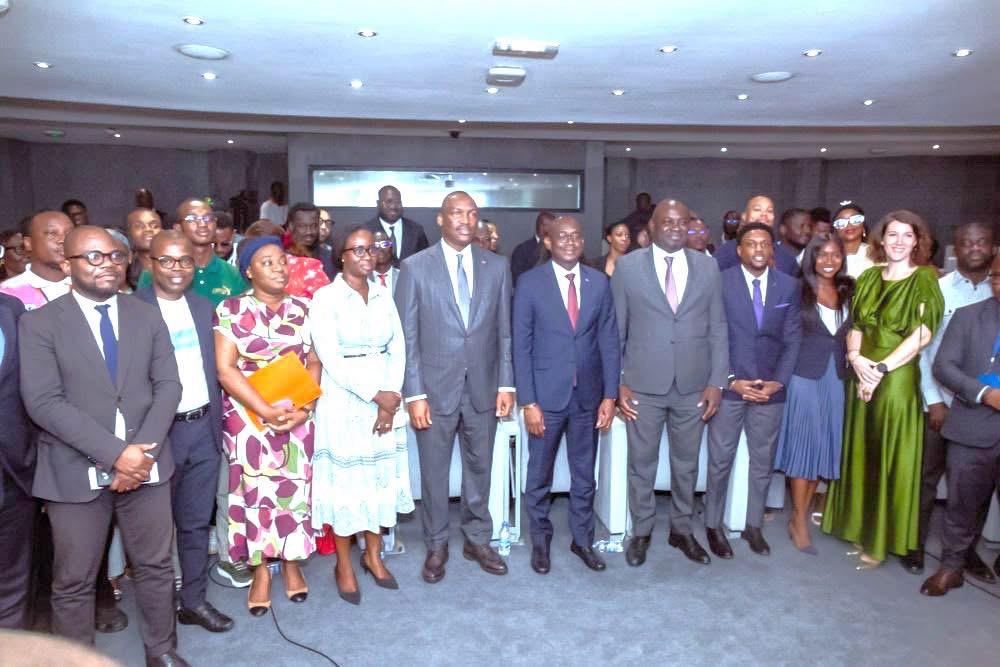
La Côte d'Ivoire participera à la 10ème édition du salon mondial Viva Technology, du 17 au 20 juin 2026 à Paris, avec une délégation inédite de 20 startups et 10 PME technologiques, venues porter haut les couleurs de l'écosystème ivoirien de l'innovation.

En marge des 61ᵉˢ Assemblées annuelles du Groupe de la Banque africaine de développement (BAD), tenues du 25 au 29 mai 2026 à Brazzaville, le Directeur Général de l'Agence de Gestion des Routes (AGEROUTE), Fabrice Coulibaly, a reçu le Trophée Bâtisseur lors de la cérémonie Africa Road Builders - Trophée Babacar N'Diaye...
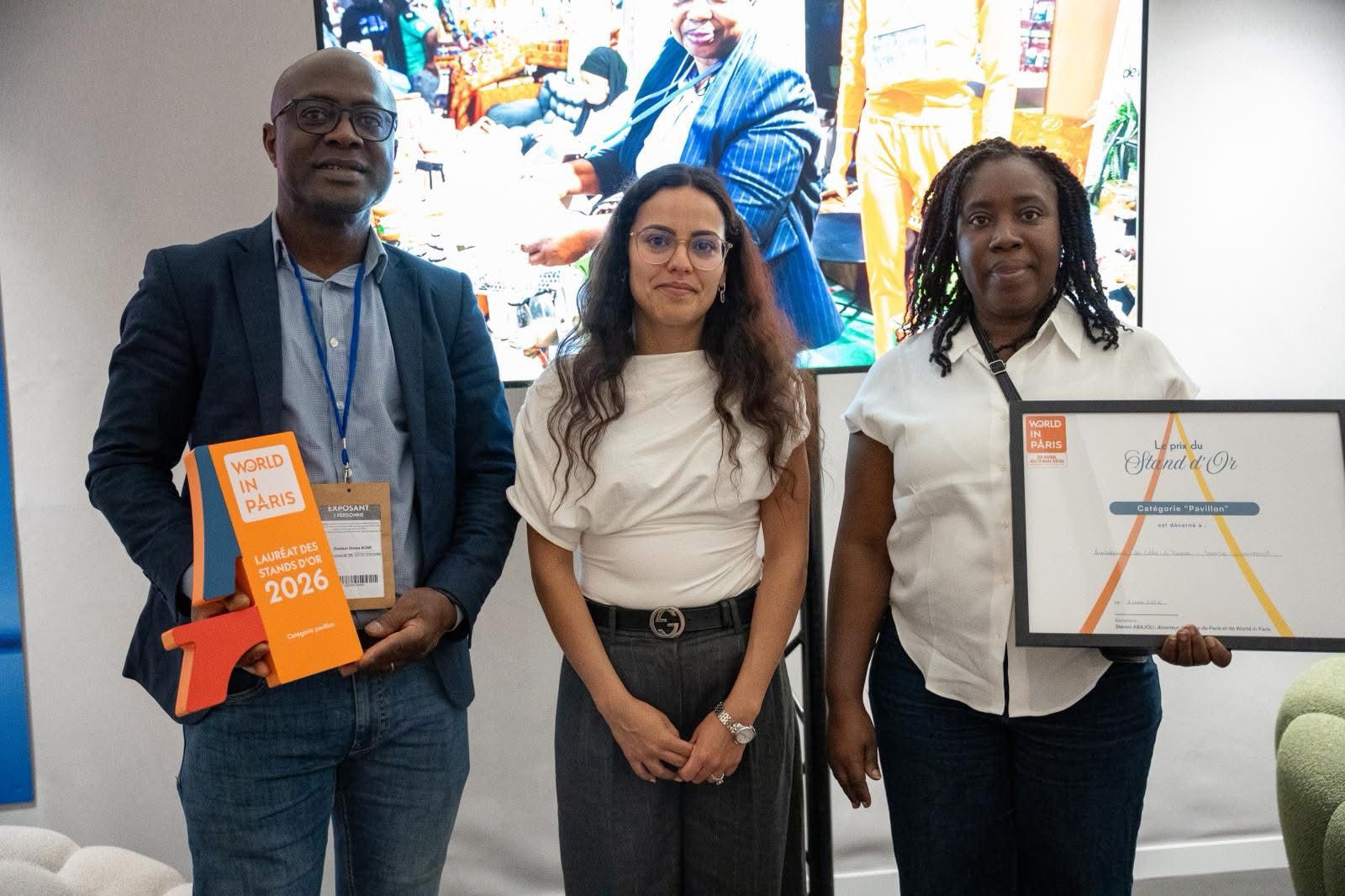
La Côte d'Ivoire a marqué l'histoire lors de la Foire de Paris 2026, tenue du 30 avril au 11 mai à Paris Expo Porte de Versailles. Pour la toute première fois, le pavillon ivoirien a décroché le prestigieux Prix du Stand d'Or dans la catégorie « Richesses du Monde », une récompense qui consacre l'excellence de sa repré...
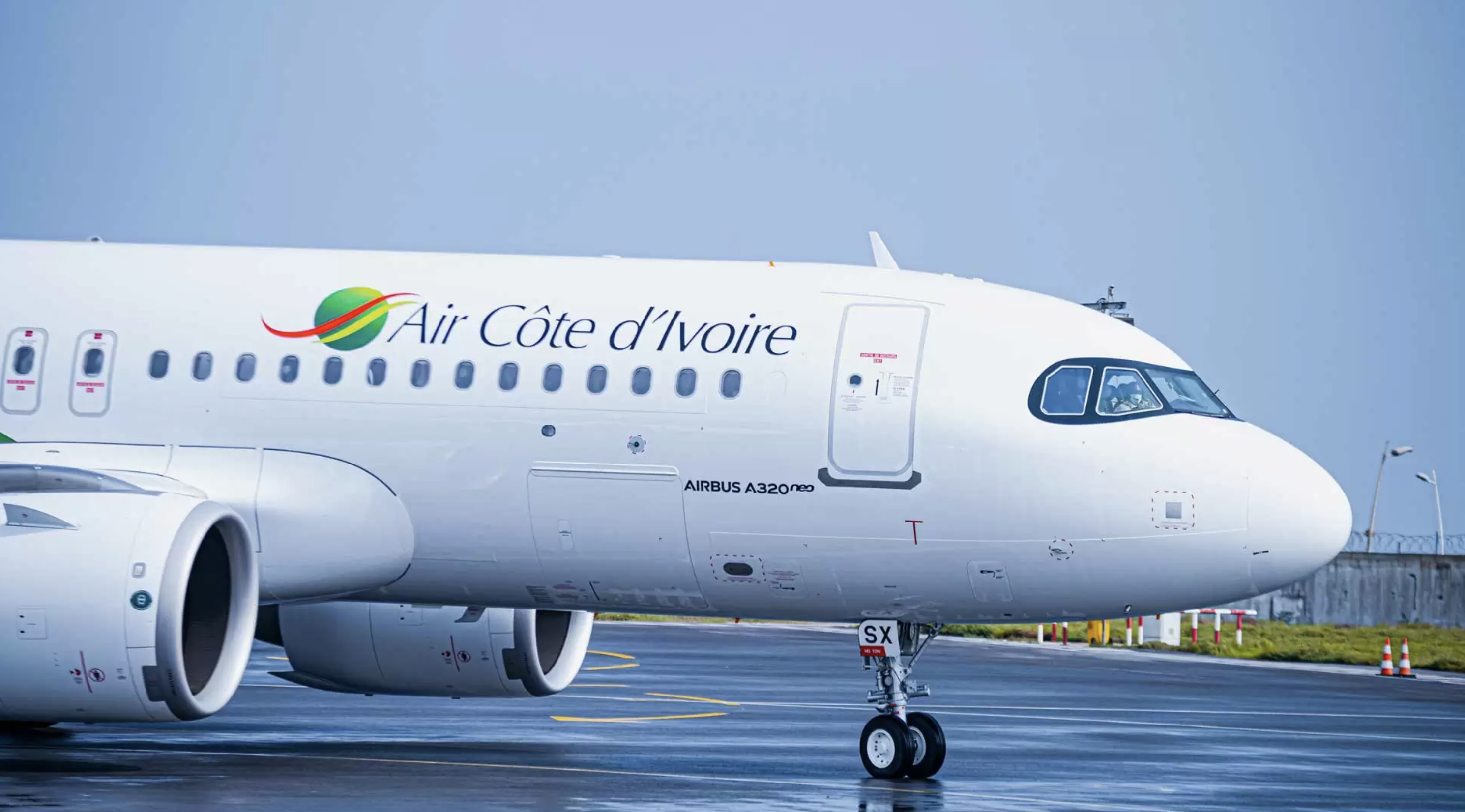
Le gouvernement ivoirien a adopté récemment trois décrets définissant 25% des principales redevances aéronautiques dans les aéroports du pays. Une réforme calibrée pour renforcer la compétitivité de la compagnie nationale et positionner la Côte d'Ivoire comme hub régional incontournable.
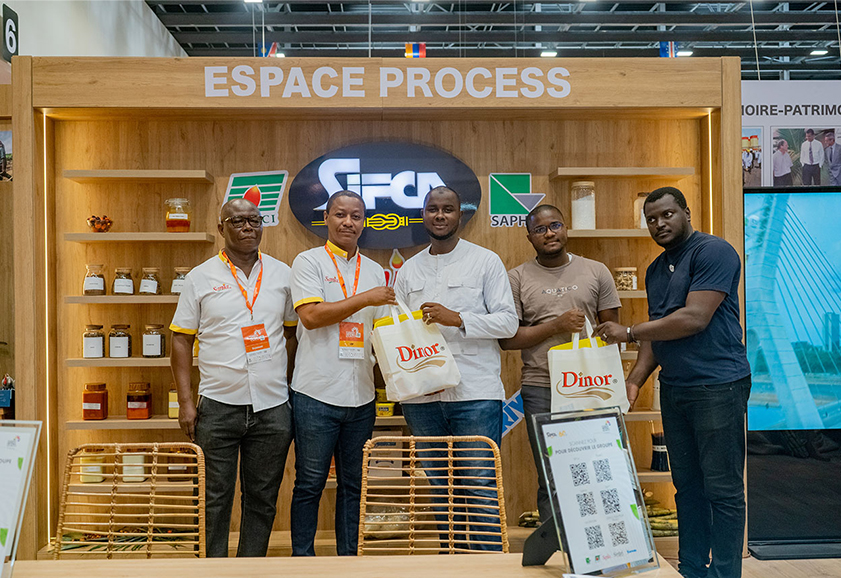
Fondé il y a plus de 60 ans à Abidjan, le Groupe SIFCA s'est imposé comme le premier groupe agro-industriel privé de Côte d'Ivoire et l'un des acteurs les plus influents de l'économie ouest-africaine. Spécialisé dans l'huile de palme, le caoutchouc naturel et le sucre de canne, ce mastodonte ivoirien rayonne aujourd'hu...
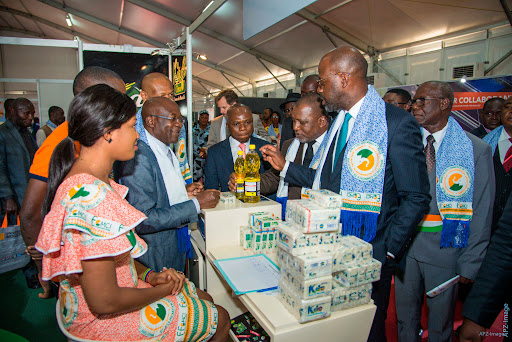
Lancée en 2010 dans le sillage de l'agro-industrie ouest-africaine, Africa West Industries (AWI) s'est imposée en 15 ans comme l'un des fleurons de l'industrie manufacturière de Côte d'Ivoire. Spécialisée dans la production de savons de Marseille et d'huile végétale alimentaire, cette entreprise 100% ivoirienne, forte...
 English
 Français