

46 result(s) for “Fonds souverain”
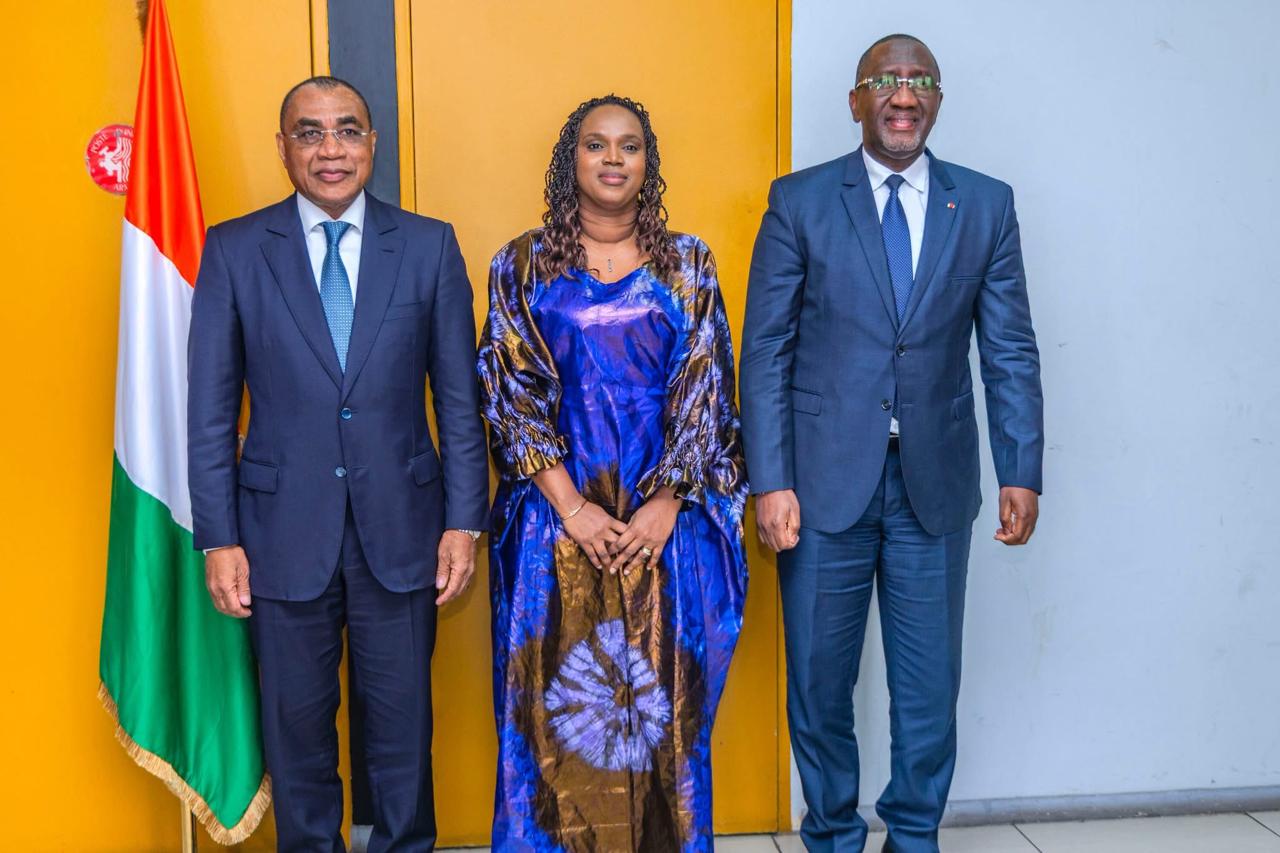
Reçue à Abidjan le jeudi 8 octobre 2026, la Ministre guinéenne de l'Économie, des Finances et du Budget, Mariama Ciré Sylla, a échangé avec ses homologues ivoiriens Souleymane Diarrassouba (Plan et Développement) et Adama Coulibaly (Économie, Finances et Budget). Au menu des échanges planification, investissements publ...
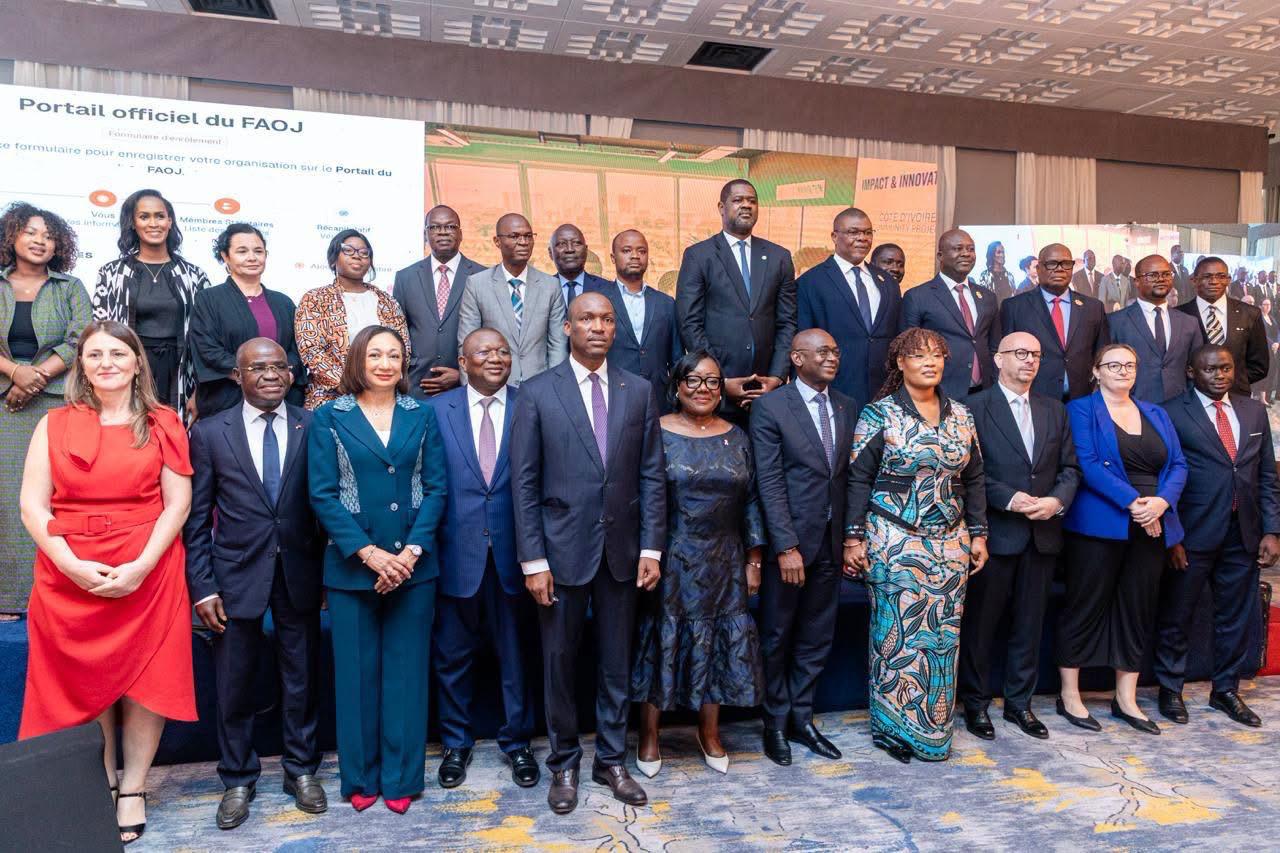
Le Gouvernement a lancé il y a quelques jours, l'appel à projets du Fonds d’Appui aux Organisations de Jeunesse (FAOJ). Doté de 4,3 milliards de F CFA, il va financer des initiatives dans 17 secteurs. Neutralité, transparence, redevabilité et performance en sont les principes directeurs.
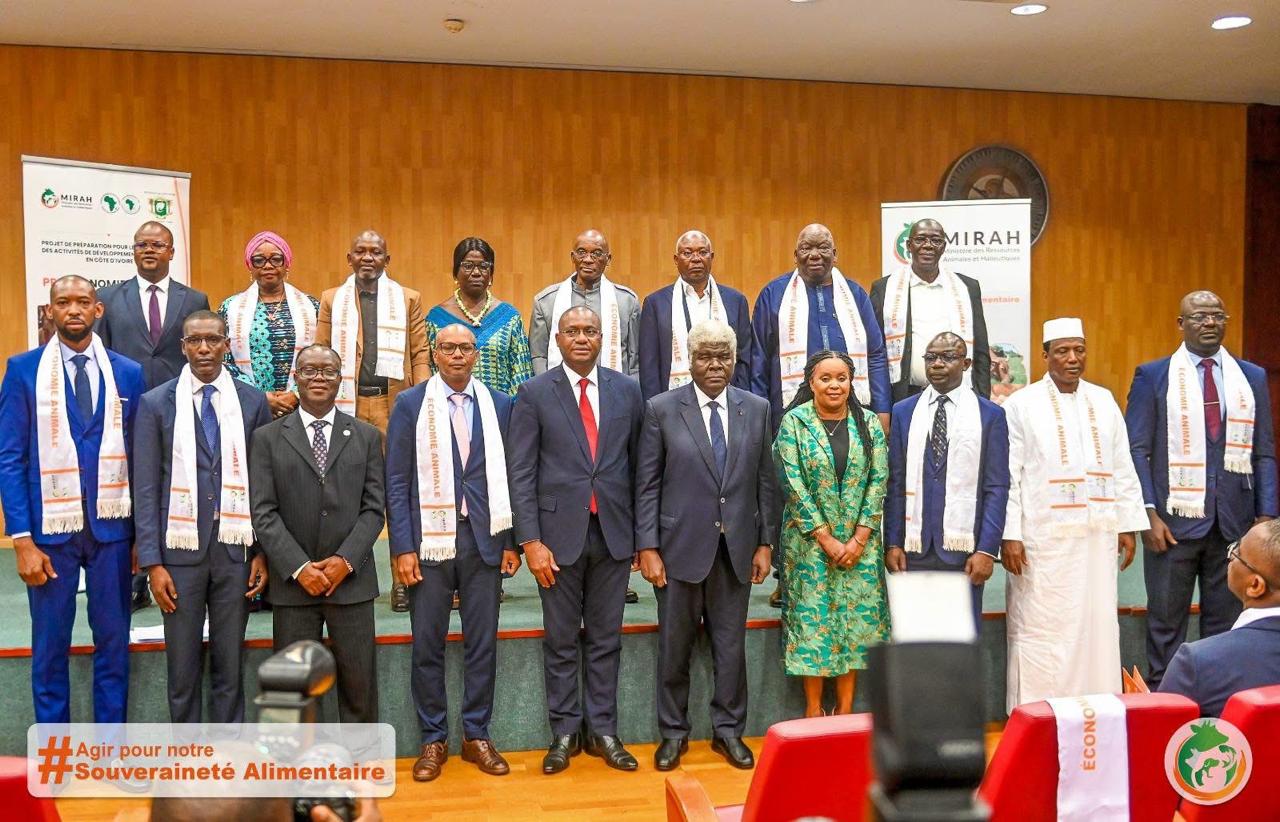
L’élevage ivoirien entre dans une nouvelle phase de structuration. Le gouvernement et ses partenaires veulent transformer les contraintes du secteur en opportunités d’investissement, avec un objectif annoncé de plus de 2 300 milliards de F CFA.
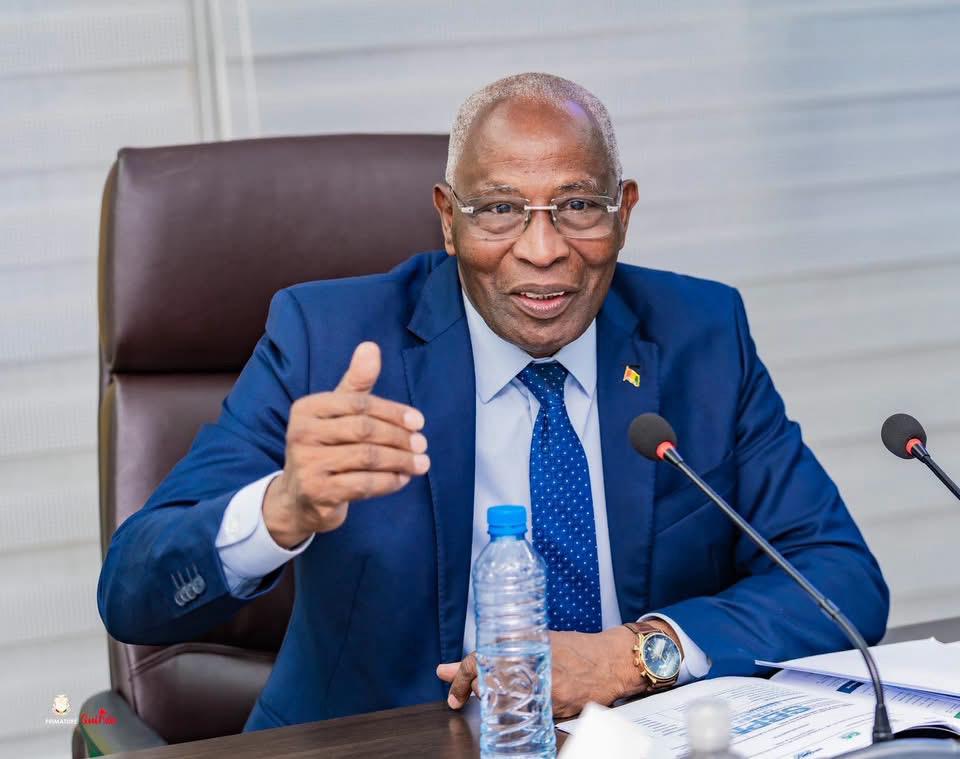
Novembre à Conakry ne sera pas un mois comme les autres pour l'entrepreneuriat guinéen. Banques, Fintech et petites entreprises s'y donneront rendez-vous pour une grande première nationale, le Salon des PME et Banques de l'Union économique et monétaire ouest-africaine (UEMOA), pendant que le gouvernement multiplie les...
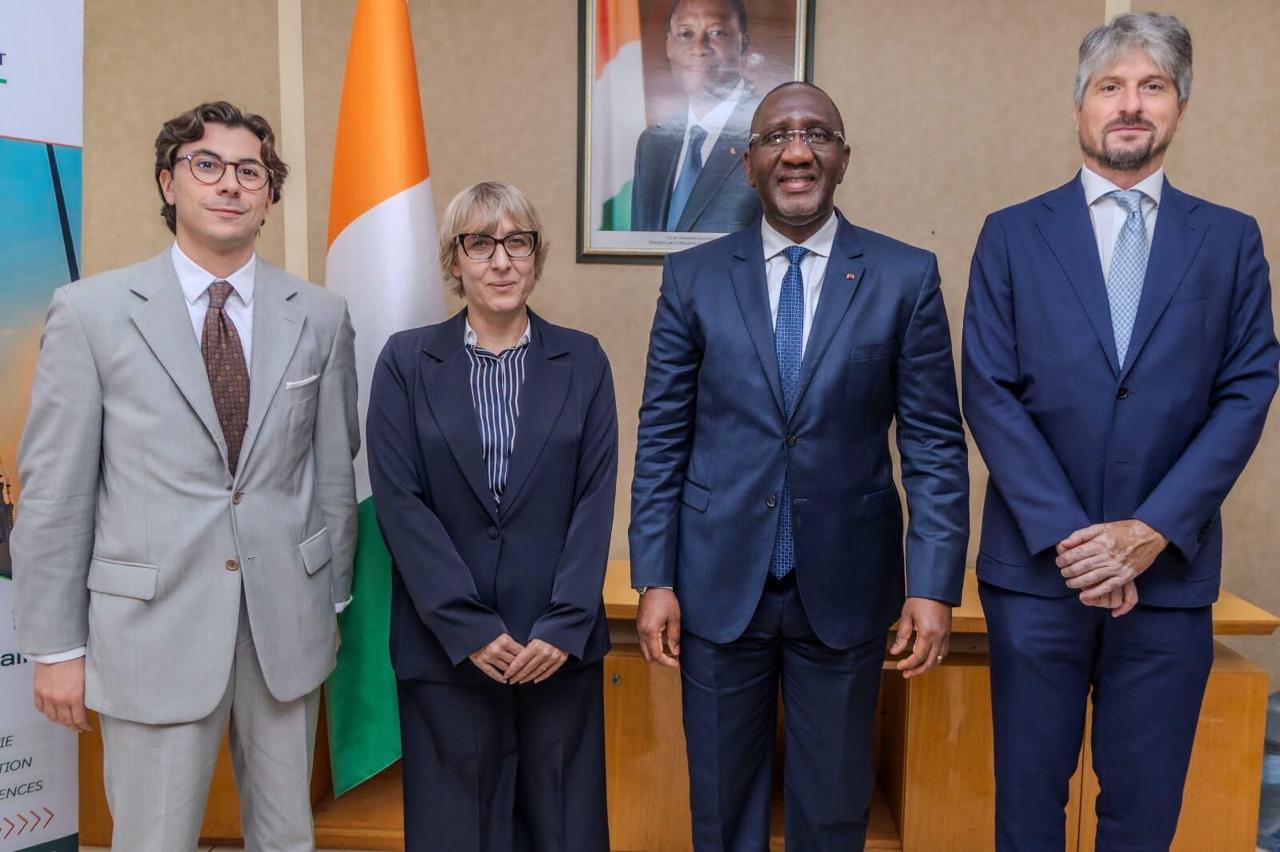
Le Ministre du Plan et du Développement, Dr Souleymane Diarrassouba, a reçu récemment l'Ambassadrice d'Italie, Roberta Di Lecce, et le Directeur de la Cassa Depositi e Prestiti, Riccardo Rossi Van Lamsweerde. L'institution financière italienne, bras armé du Plan Mattei sur le continent, vient d'ouvrir un bureau à Abidj...
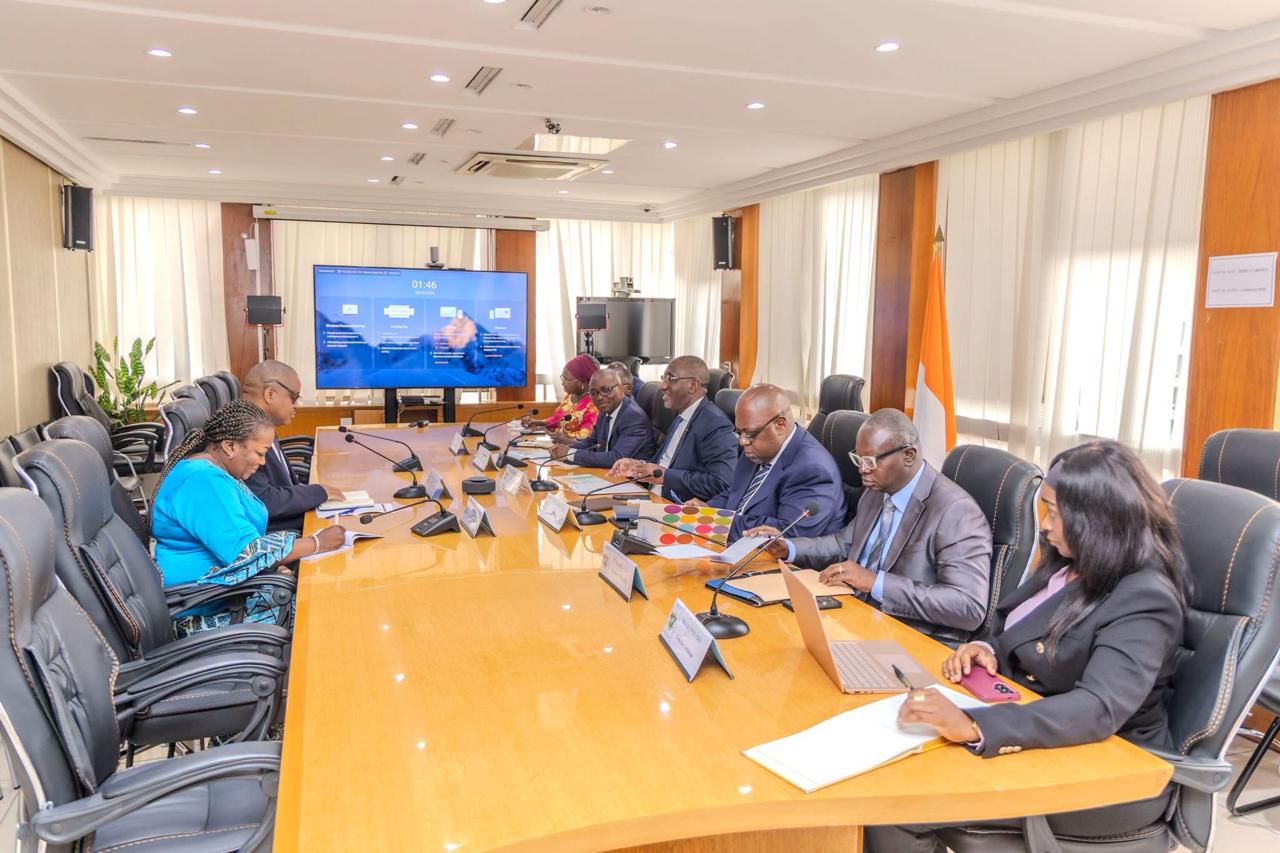
La Côte d’Ivoire et le Fonds international de développement agricole (FIDA) passent à l'action. Réunis le 14 septembre 2026 à Abidjan, les des deux parties ont défini un cadre opérationnel pour concrétiser les 1,1 milliard de dollars, soit plus de 629 milliards de francs CFA d'investissements promis au titre du Plan na...
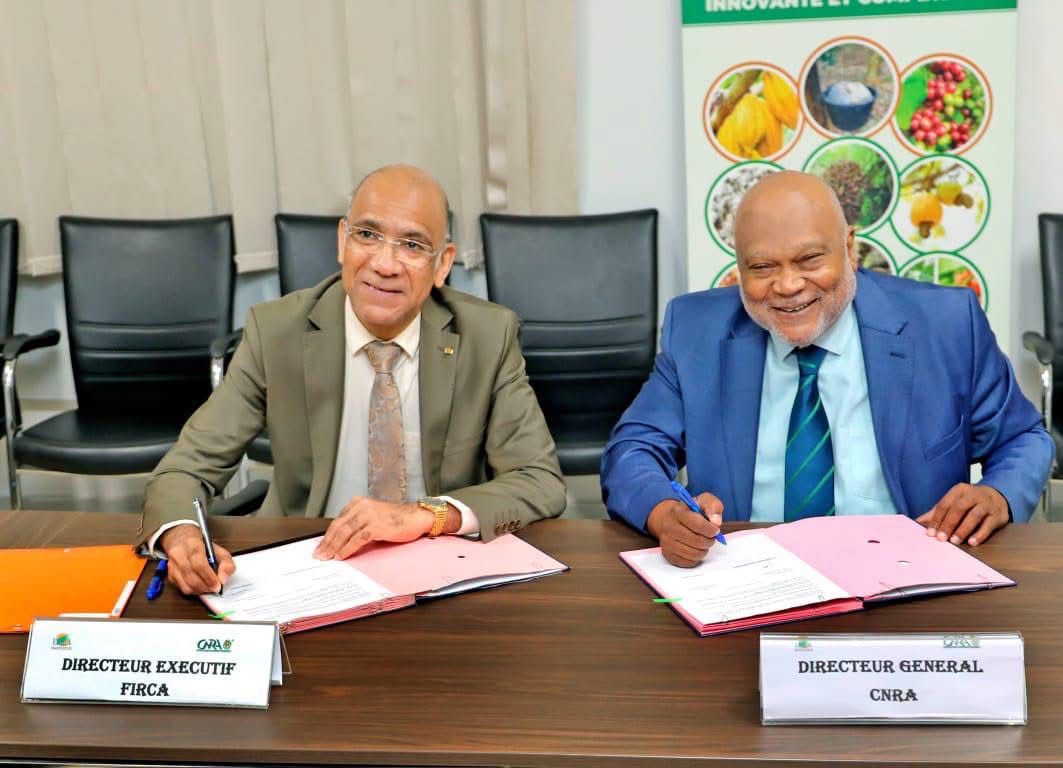
Le Fonds Interprofessionnel pour la Recherche et le Conseil Agricoles (FIRCA) et le Centre National de Recherche Agronomique (CNRA) ont scellé récemment un nouveau chapitre de leur partenariat. La signature a été faite par le Directeur exécutif du FIRCA, Oumar N'Diaye, et le Directeur général du CNRA, le Professeur Abd...

200 000 000 de francs CFA pour enfin briser le mur des embouteillages entre le Nord-Est et le Sud de la capitale. C'est l'ambition centrale du 6ème pont d'Abidjan, un ouvrage stratégique conçu pour raccorder directement le secteur en pleine expansion d'Abatta aux communes industrielles de Koumassi et Port-Bouët.
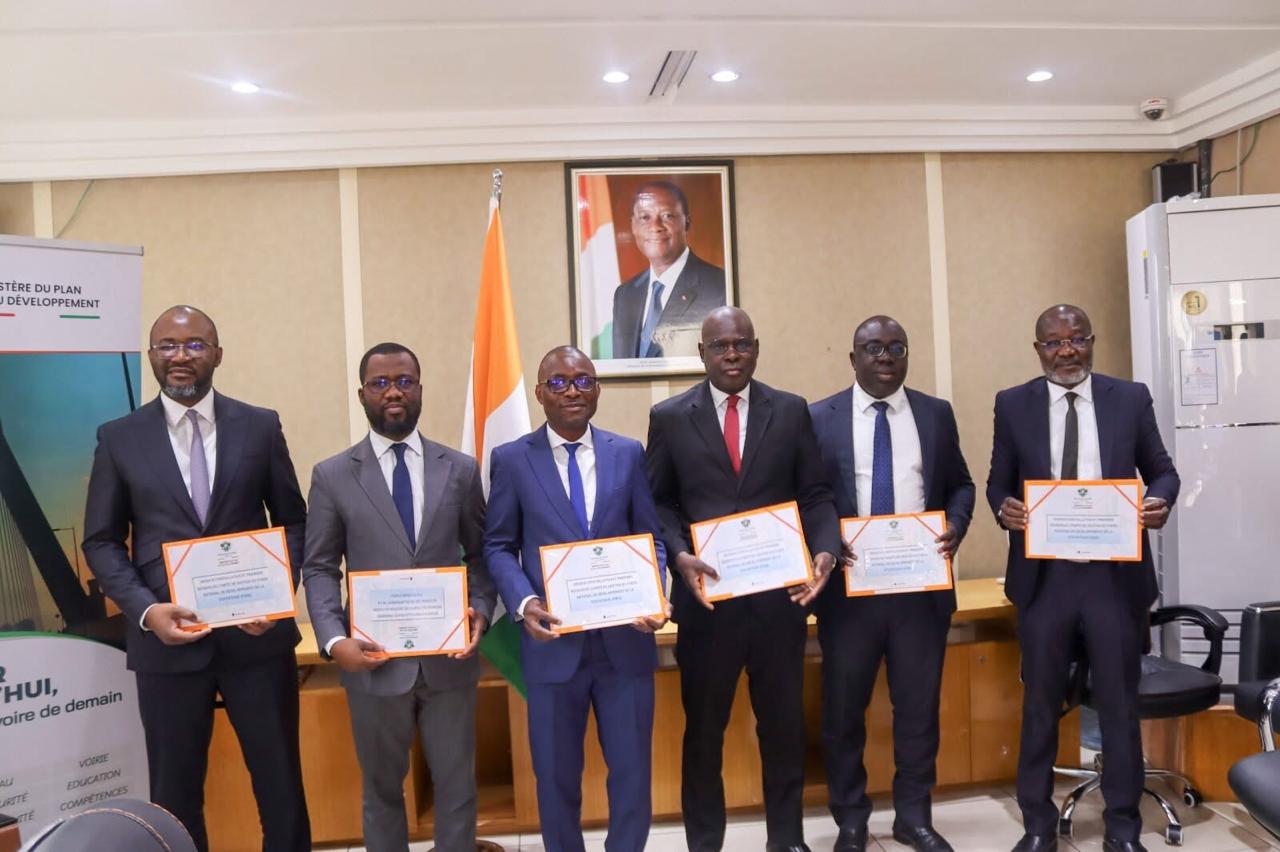
Abidjan a accueilli, début août, l’installation du Comité de gestion du Fonds National de Développement de la Statistique (FNDS). La cérémonie a été conduite par le Pr Loesse Jacques Esso, Directeur de Cabinet, au nom du Ministre du Plan et du Développement, Dr Souleymane Diarrassouba. Ce nouvel organe vient parachever...
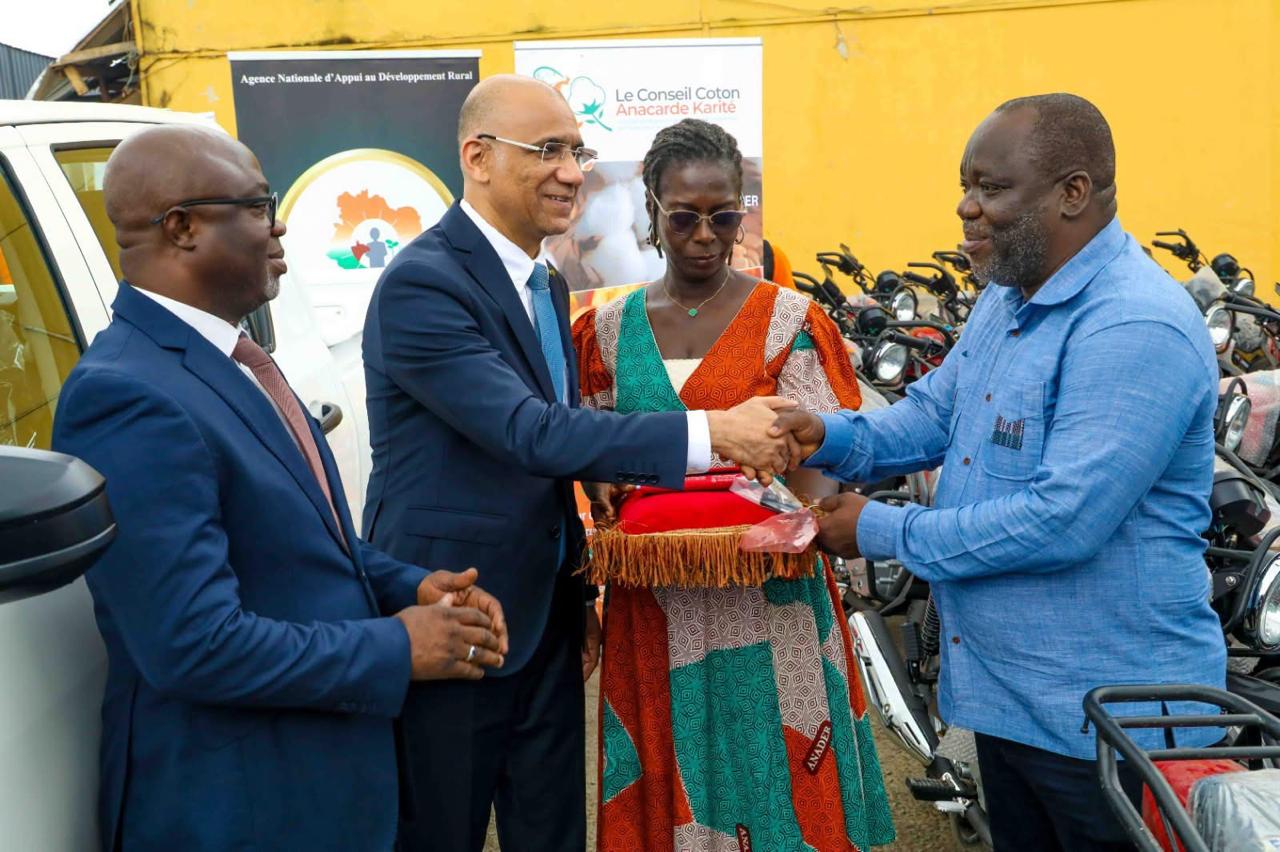
Récemment, à la Direction Régionale Abidjan Sud de l'ANADER, à Marcory, un important lot de matériels roulants a effectivement changé de main. L’objectif étant de donner aux agents de terrain et aux chercheurs les moyens d'aller plus vite, plus loin et plus souvent au contact des producteurs d'anacarde, pilier stratégi...
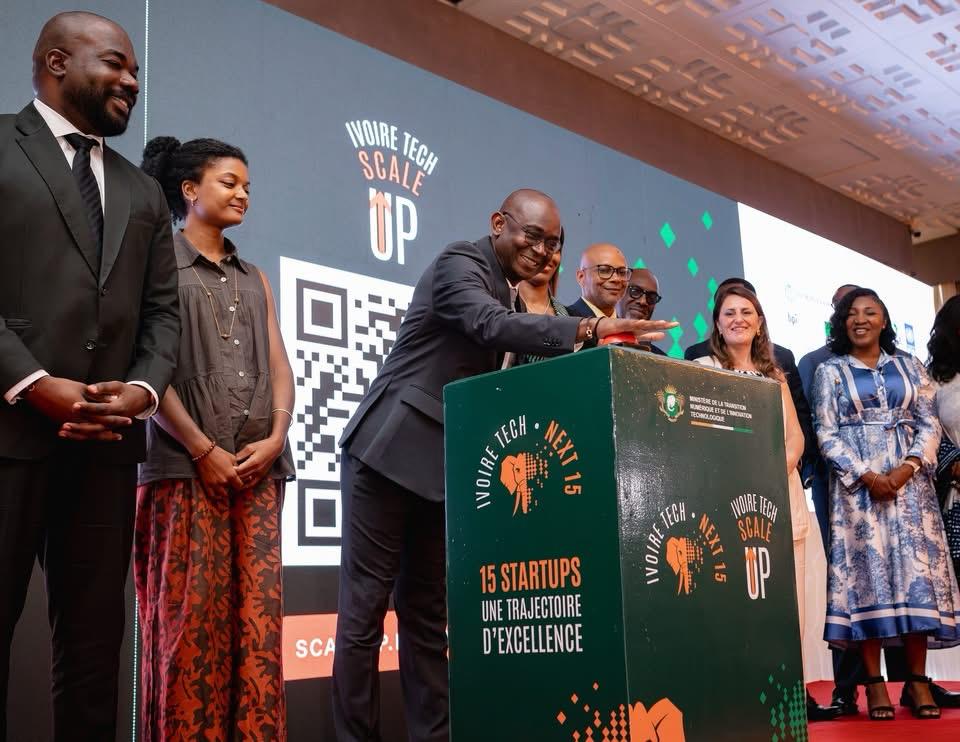
Depuis mercredi 29 juillet 2026, le rêve de tout jeune entrepreneur numérique ivoirien a un nom et une date limite. Le Ministère de la Transition numérique et de l'Innovation technologique a officiellement lancé au Sofitel Hôtel Ivoire les programmes Ivoire Tech Next 15 et Ivoire Tech Scale Up, premiers dispositifs con...
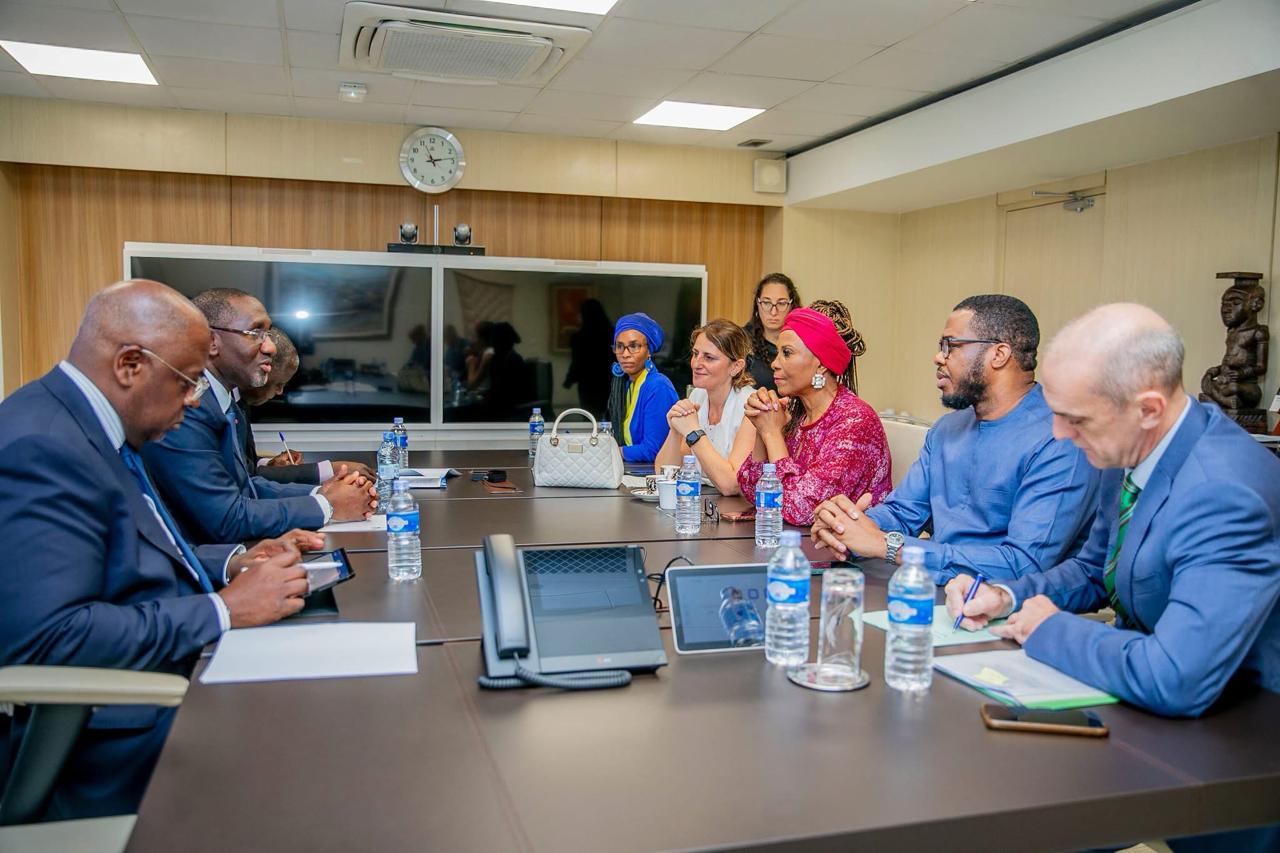
Le Ministre du Plan et du Développement, Dr Souleymane Diarrassouba, a reçu récemment Ahunna Eziakonwa, Sous-secrétaire générale des Nations Unies et Directrice du Bureau régional du PNUD pour l'Afrique en marge de la Conférence économique africaine 2026. Cette rencontre a scellé une convergence de vues sur les nouveau...
 English
 Français