

146 result(s) for “Agence Japonaise de Coopération Internationale”
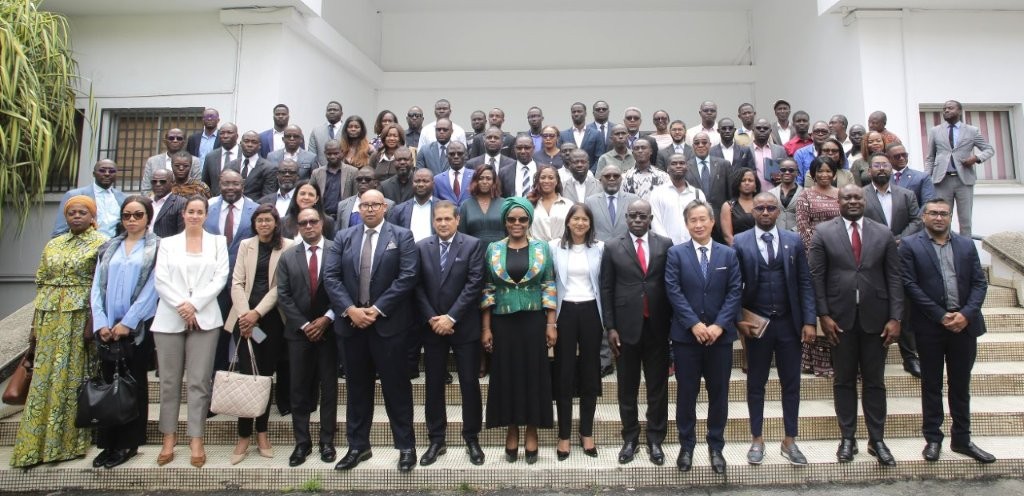
Le Centre de Promotion des Investissements en Côte d'Ivoire (CEPICI) a pris part au Forum Côte d'Ivoire - Île Maurice, co-organisé par l'Economic Development Board Mauritius et la Chambre de Commerce et d'Industrie de Côte d'Ivoire. L'événement, tenu autour du thème « Maurice : votre partenaire stratégique en Côte d'Iv...

Le 26 mai 2026, une cérémonie de signature s'est tenue au siège de la Fédération Ivoirienne de Football (FIF) à Abidjan, scellant un partenariat stratégique entre le Salon International des Ressources Extractives et Énergétiques ( SIREXE) et la Fédération Ivoirienne de Football (FIF). À travers cet accord, le SIREXE 20...
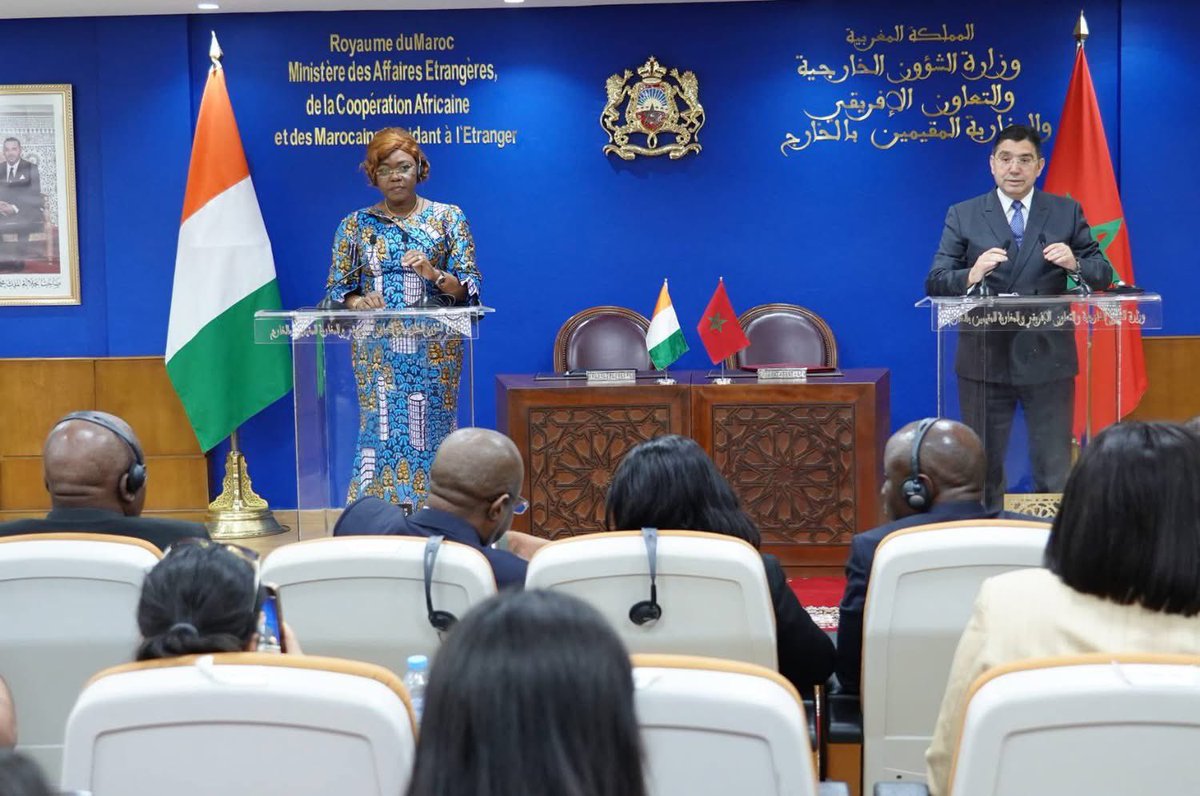
Du 19 au 23 mai 2026, la Ministre d'État et Ministre des Affaires étrangères et de la Coopération internationale, Nialé Kaba, a effectué une visite officielle au Maroc sur invitation de son homologue marocain, Nasser Bourita. Le point d'orgue de ce séjour diplomatique a été une rencontre de haut niveau tenue récemment...
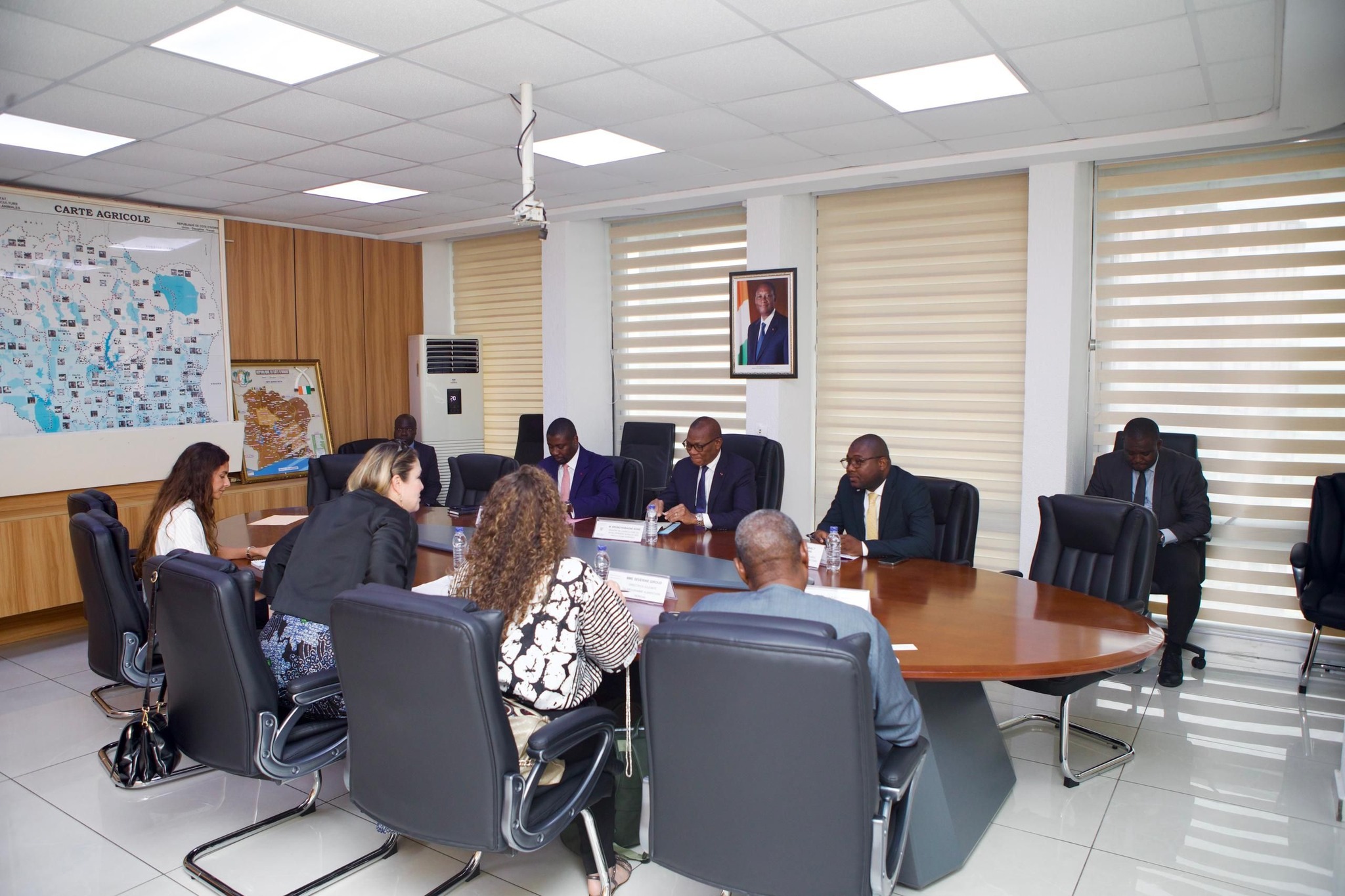
Il y a 10 jours, le Ministre de l'Agriculture, du Développement rural et des Productions vivrières, Bruno Nabagné Koné, a reçu une délégation du Programme Alimentaire Mondial (PAM), conduite par sa directrice pays, Olivia Hantz. Cette audience a marqué une étape importante dans le renforcement de la coopération entre l...
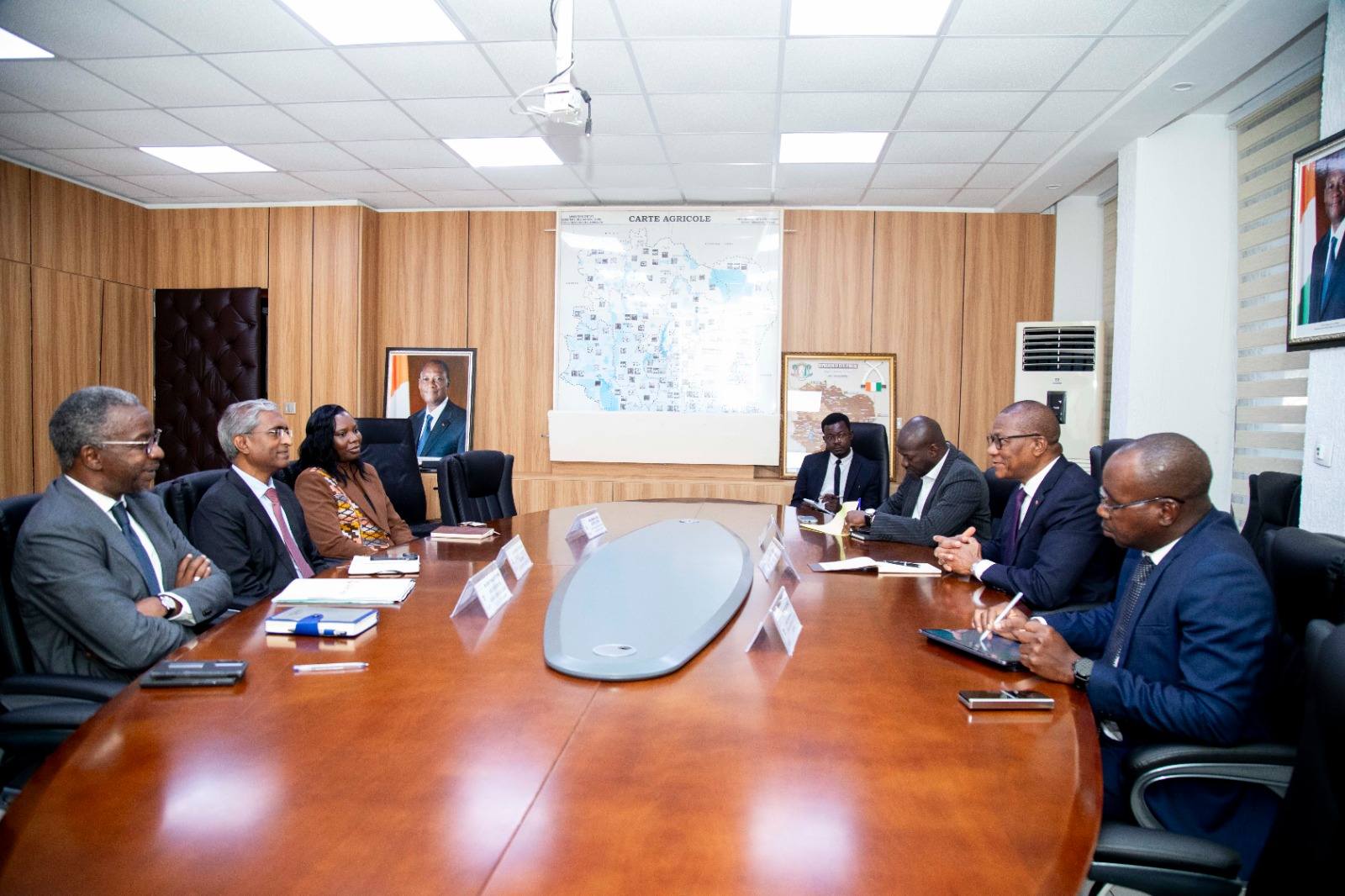
Le groupe agro-industriel Olam Agri, l'un des acteurs majeurs des filières agricoles en Afrique, a sollicité et obtenu une audience auprès du Ministre de l'Agriculture, du Développement rural et des Productions vivrières, Bruno Nabagné Koné. La délégation était conduite par Partheeban Théodore, Président et Directeur R...
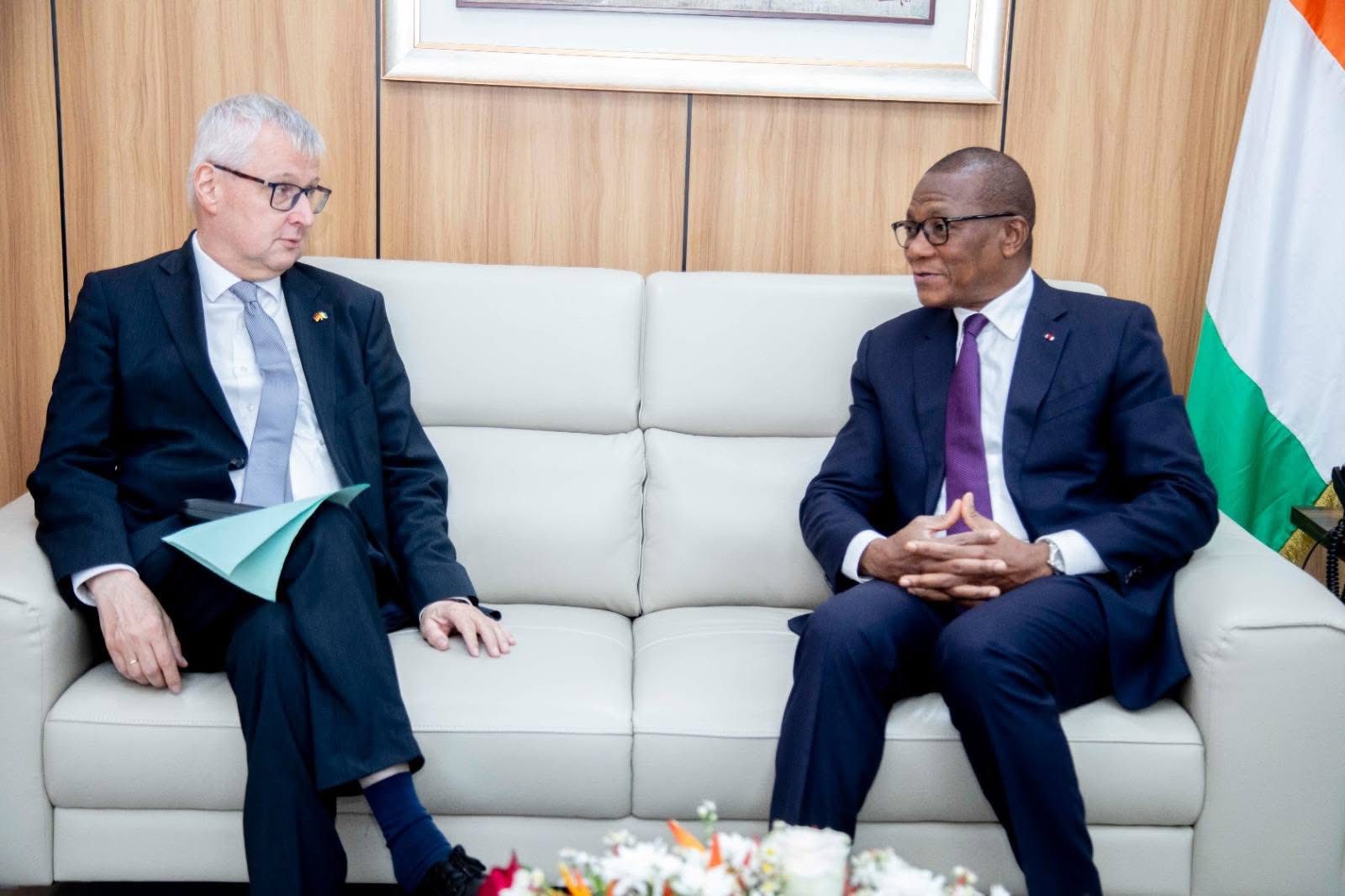
Le Ministre de l'Agriculture, du Développement rural et des Productions vivrières, Bruno Nabagné Koné, a reçu récemment en audience Matthias Veltin, Ambassadeur d'Allemagne en Côte d'Ivoire. Au centre des échanges, la promotion du cacao durable et le développement agricole dans les régions septentrionales du pays, zone...
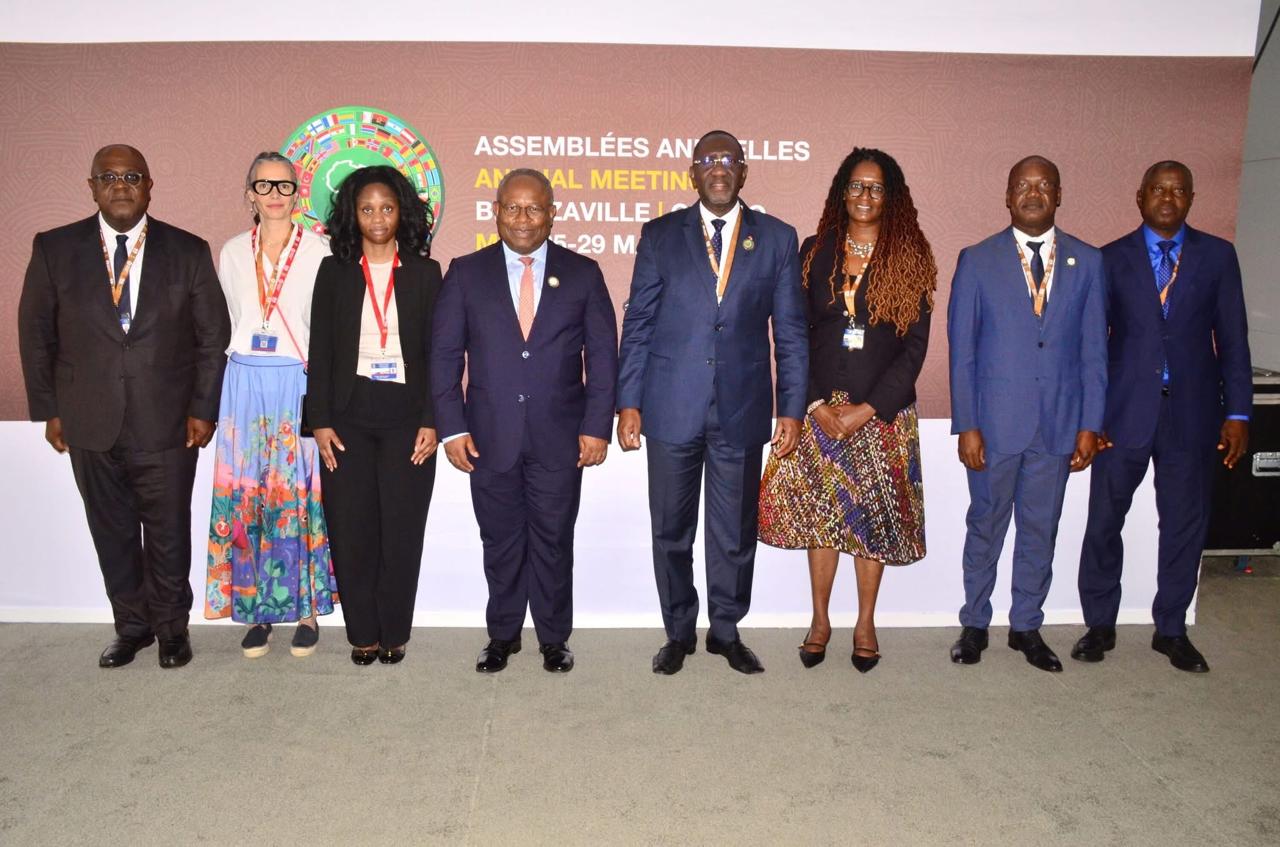
La Côte d'Ivoire et Africa50, plateforme panafricaine d'investissement dans les infrastructures créée par des États africains et la Banque africaine de développement (BAD), ont posé les jalons d'un partenariat stratégique majeur. En marge des Assemblées annuelles de la BAD à Brazzaville, le 28 mai 2026, une réunion de...
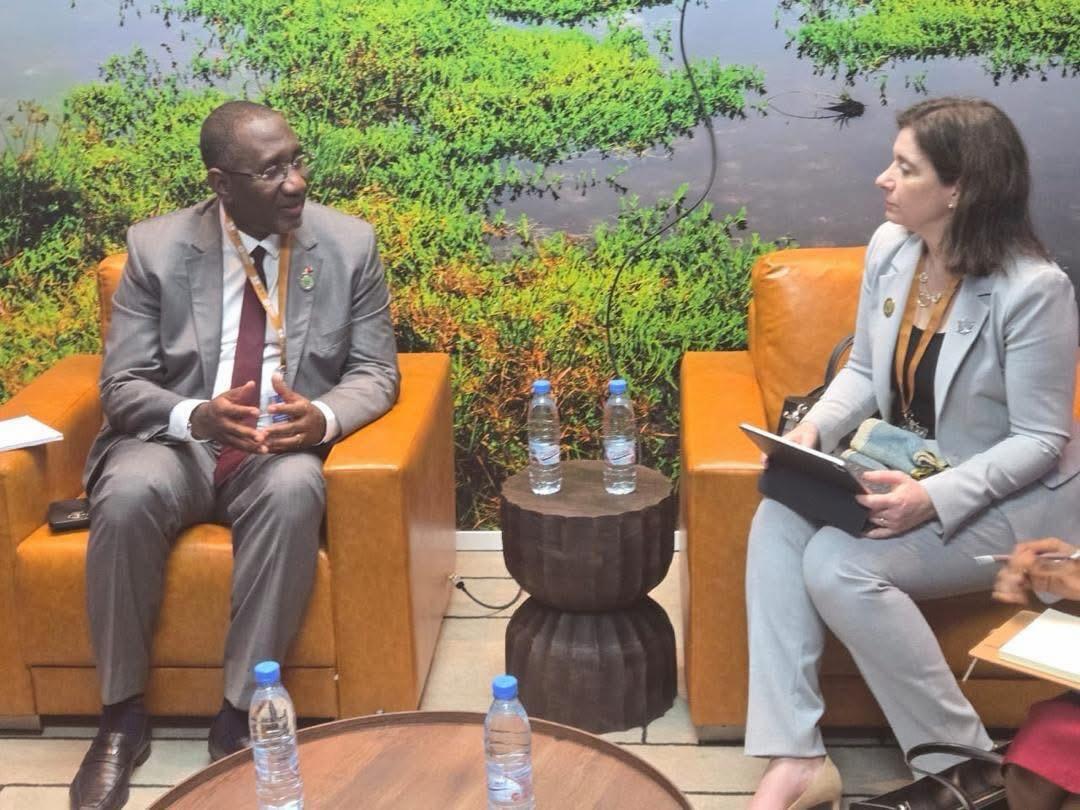
Toujours en marge des Assemblées Annuelles du Groupe de la Banque Africaine de Développement (BAD), tenues à Brazzaville, le Ministre du Plan et du Développement, Dr. Souleymane Diarrassouba, a rencontré son homologue canadienne Patricia Pena, il y a 4 jours. Une audience qui marque un tournant dans la dynamique de coo...
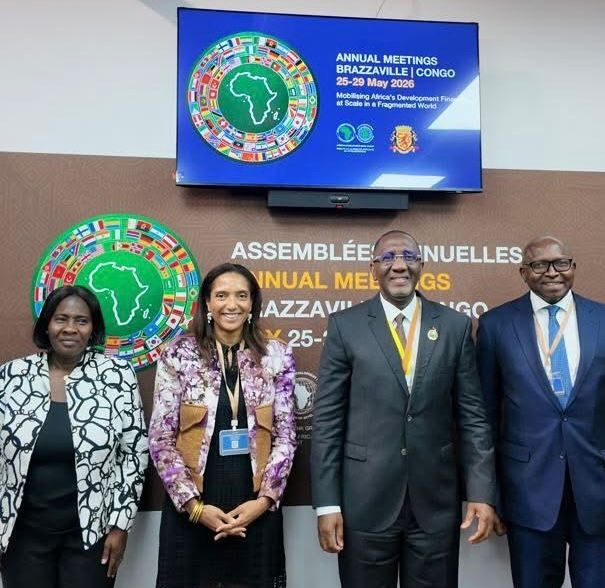
En marge des 61es Assemblées annuelles de la Banque Africaine de Développement (BAD) à Brazzaville, le Ministre du Plan et du Développement, Dr. Souleymane Diarrassouba, a tenu une séance de travail avec Sandra Kassab, Directrice Afrique de l'Agence Française de Développement (AFD). Au menu de échanges, le financement...
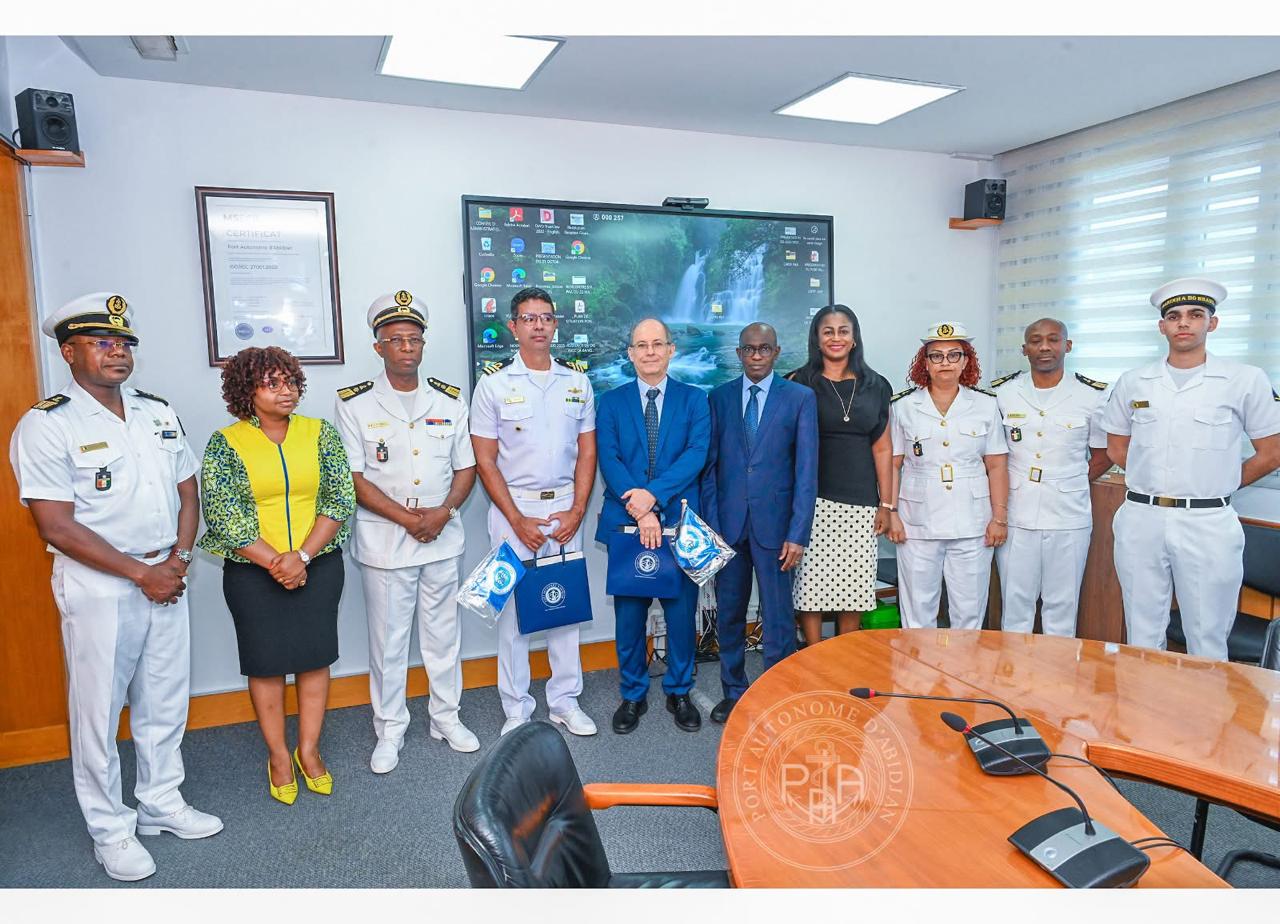
Une délégation brésilienne conduite par le Chargé d'Affaires de l'Ambassade du Brésil en Côte d'Ivoire, composée du Commandant Anselmo, a été reçue par le Directeur Général par intérim du Port Autonome d'Abidjan (PAA), Kassoum Traoré, le 26 mai 2026. Cette rencontre diplomatique, tenue à l'occasion de l'escale du navir...
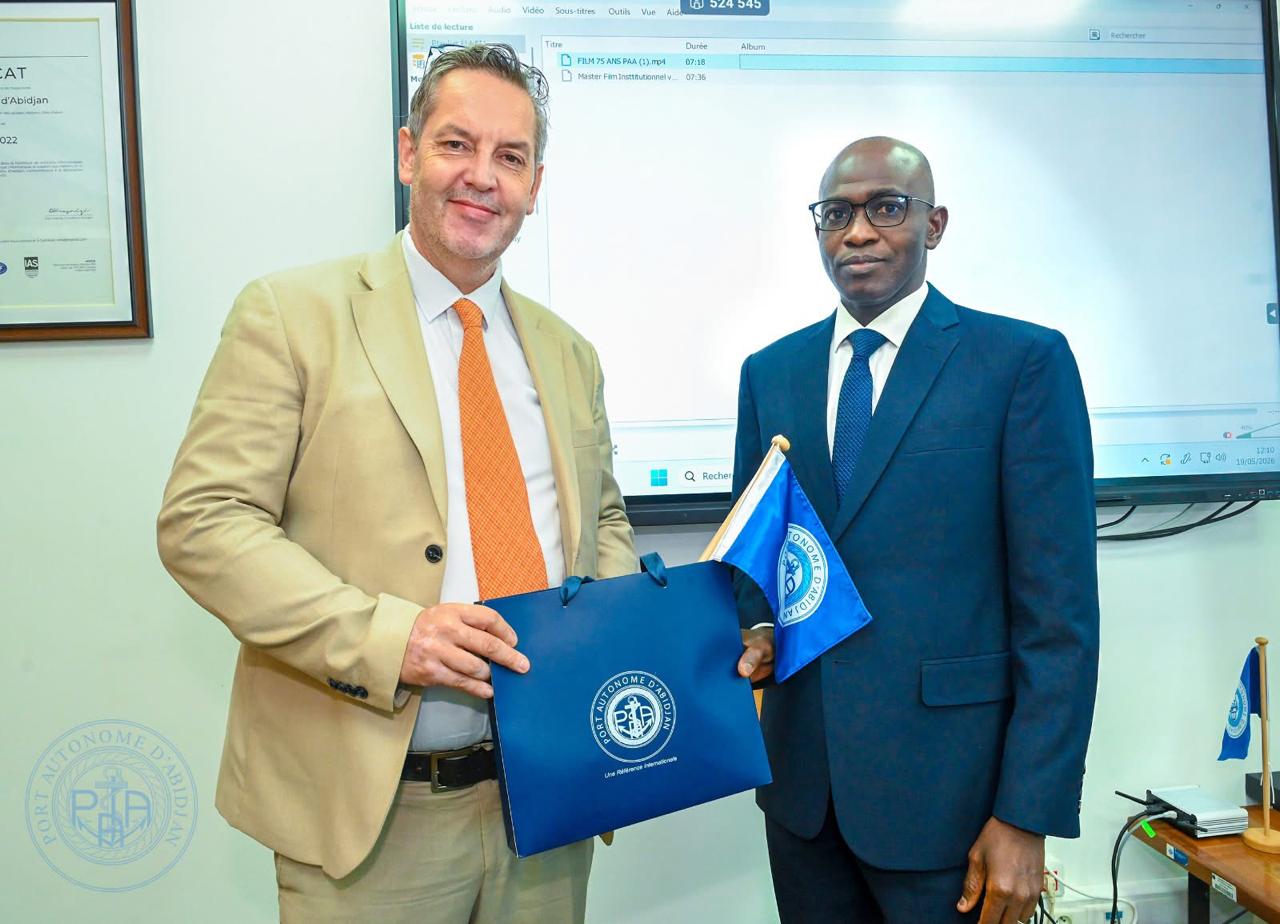
Le Directeur Général par intérim du Port Autonome d'Abidjan (PAA), Kassoum Traoré a reçu récemment une délégation belge composée de représentants d'Enabel et du Port d'Anvers-Bruges. Ces échanges ont ouvert la voie à une coopération stratégique axée sur la transition écologique, la digitalisation et la performance logi...
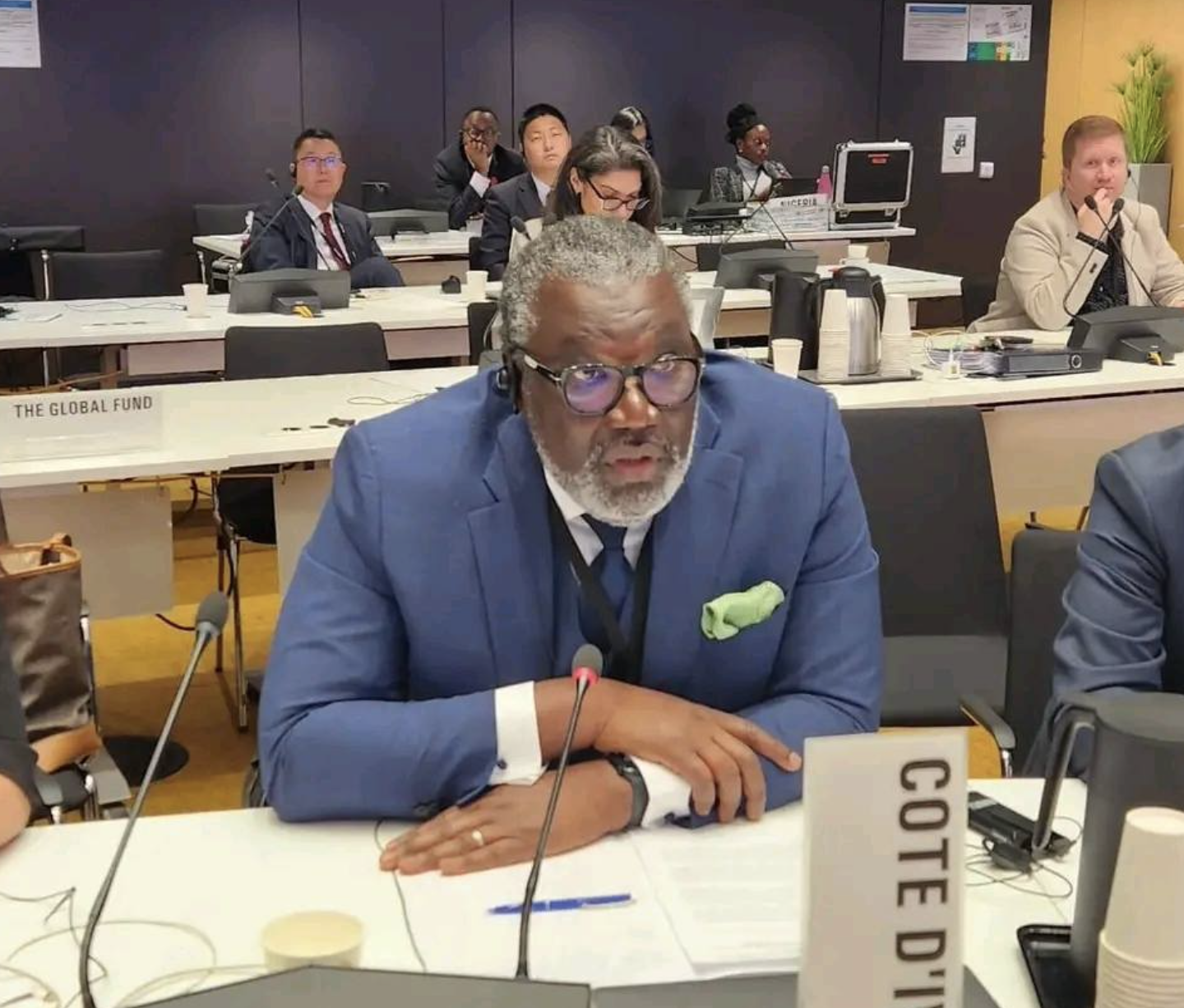
La Côte d'Ivoire vient de marquer un jalon majeur dans l'arène sanitaire internationale. Le 25 mai 2026, à Genève, le Professeur Mamadou Samba, a été élu vice-président du Conseil exécutif de l'Organisation mondiale de la Santé (OMS), en marge de la 79e Assemblée mondiale de la Santé. Une distinction qui place Abidjan...
 English
 Français