 English
 Français
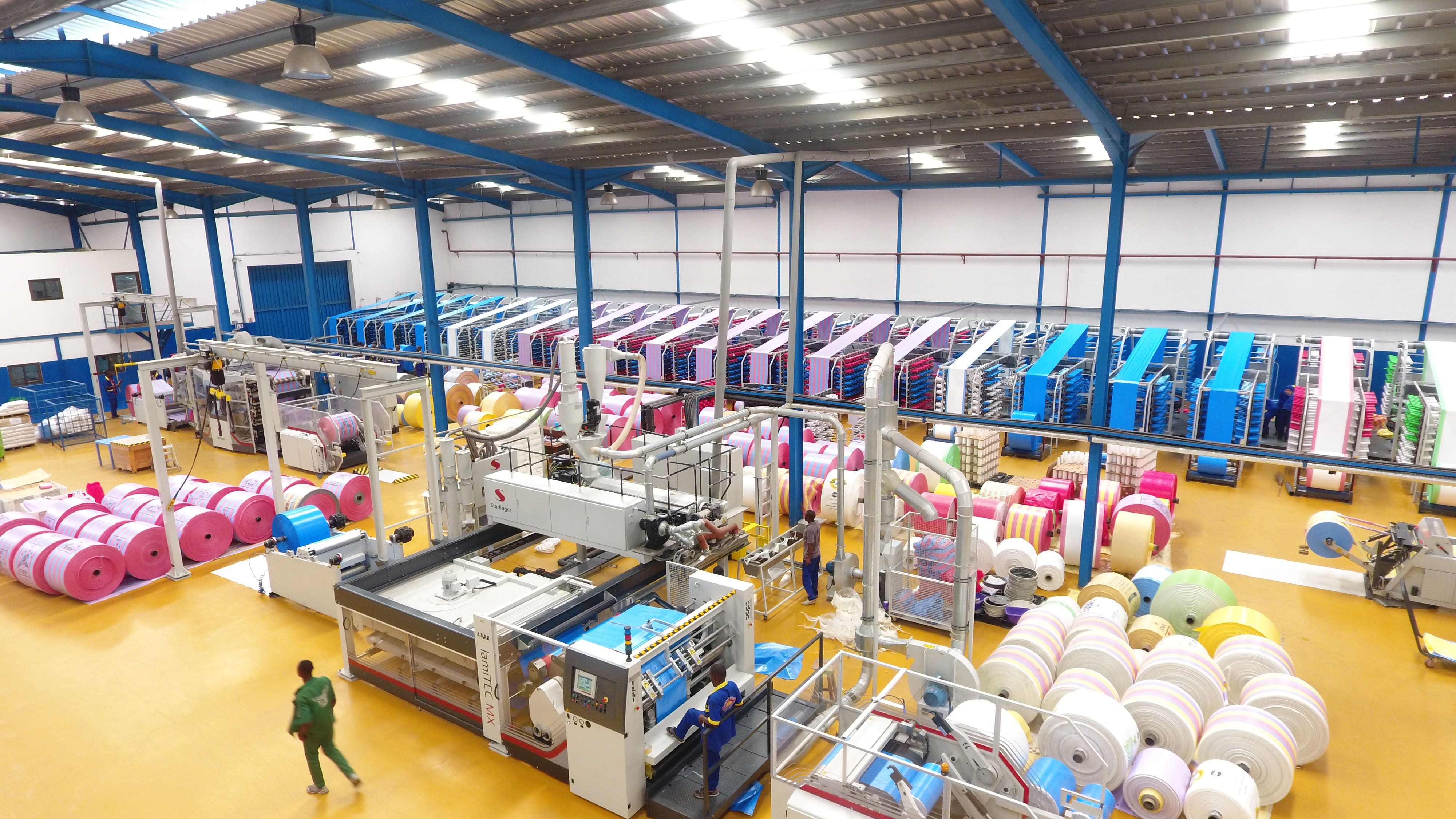
Selon les données du Ministère de l’Économie et des Finances, la chimie-plasturgie-pharmacie concentre à elle seule 43 % des industries manufacturières hors agroalimentaire. Une part qui en fait la première sous-branche du secteur secondaire, loin devant les matériaux (21 %) et le textile (12 %). Poids lourd, l’industrie plastique pèse 275 milliards de FCFA, dont 95 milliards pour le seul segment de l’emballage plastique.
Des chiffres qui parlent d’eux-mêmes
Les importations de matières premières plastiques grimpent en régime, 245 000 tonnes en 2018, contre 388 000 tonnes en 2024, soit une hausse de 8 % par an. Côté emploi, le secteur fait tourner plusieurs milliers de postes. Premier acteur national, Plastica CI affiche plus de 100 millions d’euros de chiffre d’affaires, 2 694 salariés, 18ème rang des plus grands employeurs du pays. Sur le front de l’export, les bouteilles et flacons en plastique made in Côte d’Ivoire ont généré 17,8 millions de dollars en 2023, à destination du Burkina Faso, du Mali et du Sénégal. Résultat, la Côte d’Ivoire se hisse au deuxième rang des investisseurs en technologie plastique en Afrique de l’Ouest, derrière le Nigeria.
Une filière face à ses contradictions
Sous ce vernis dynamique, des fragilités persistent. Moins de 10 % des 200 000 tonnes annuelles de déchets plastiques sont recyclés. L’État avait pourtant interdit les sachets non biodégradables en 2014, et signé avec les industriels une convention pour créer 1 890 emplois dans le recyclage. En octobre 2024, lors du Salon de l’Emballage, le gouvernement a remis le sujet sur le métier, faire de la plasturgie un pilier créateur de valeur ajoutée, avec un objectif de transformer la moitié des productions agricoles ivoiriennes d’ici 2030.
Notons que la plasturgie ivoirienne tient une carte maîtresse, à savoir son ancrage régional. Le marché africain de l’emballage est estimé à 43,48 milliards de dollars en 2024. Une fenêtre d’opportunité que la Côte d’Ivoire veut saisir. Mais pour devenir un véritable moteur de la transformation structurelle de l’économie, le secteur doit investir davantage dans le recyclage, la technologie et la formation. En clair, trouver son second souffle.