 English
 Français
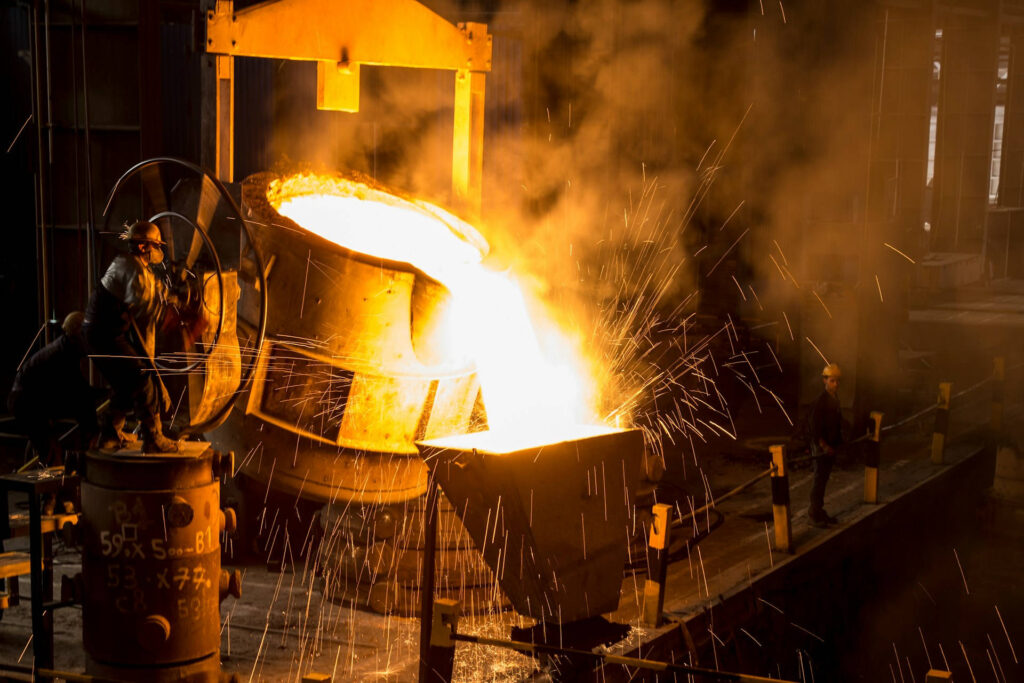
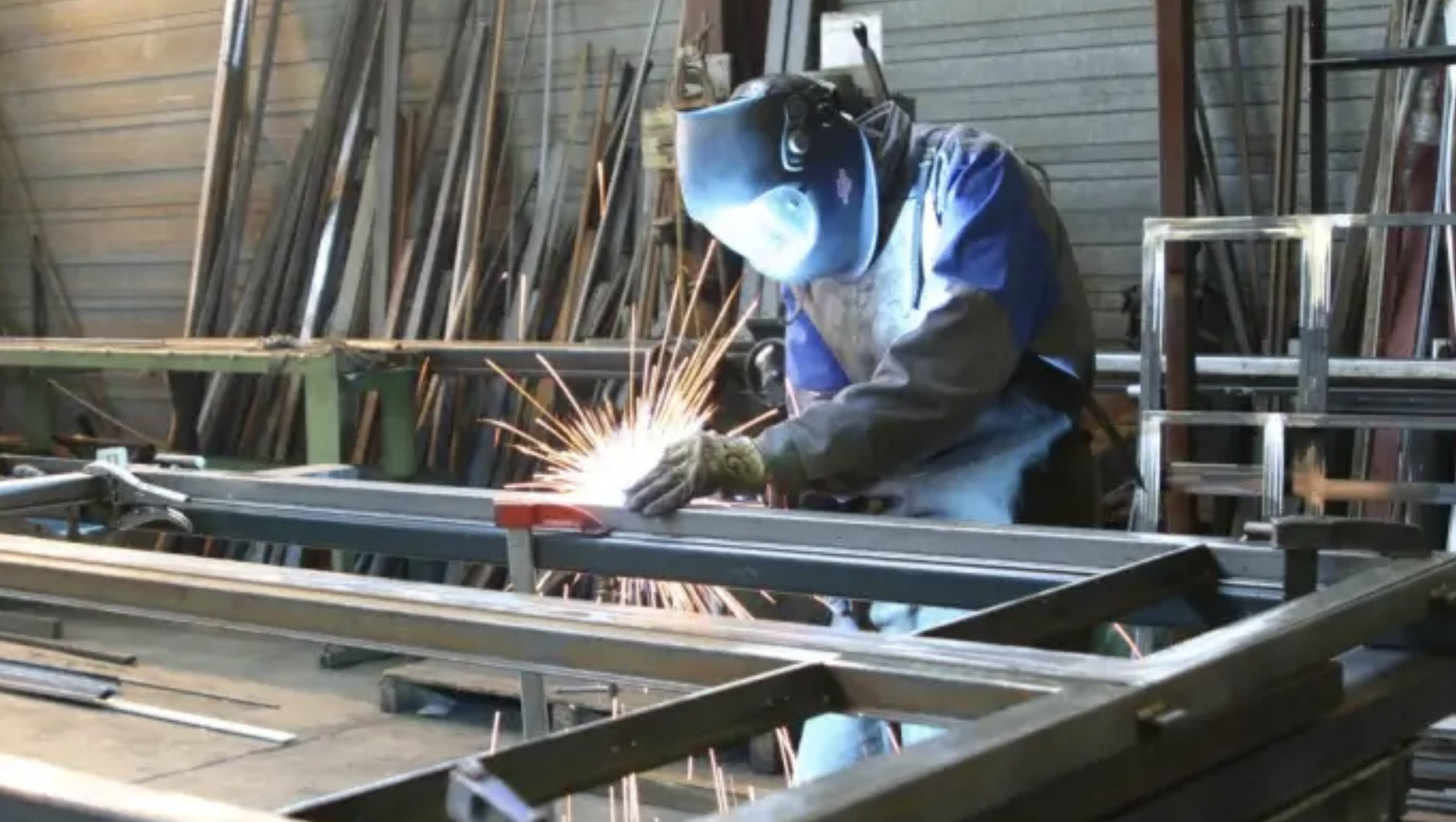
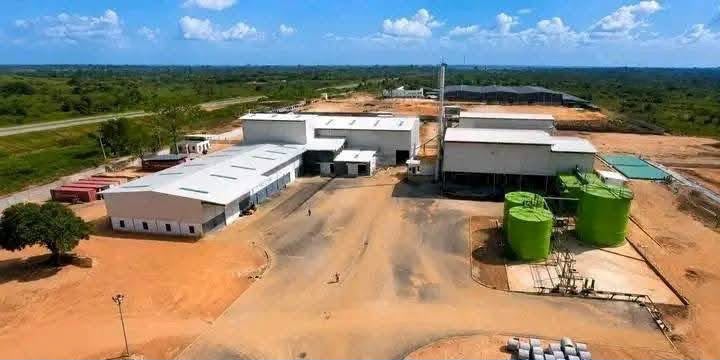
L'industrie métallurgique ivoirienne a connu une mutation profonde à partir de 2018. Cette année-là, le pays ne disposait que de deux unités industrielles de transformation de ferraille. Quelques années plus tard, ce chiffre a grimpé à quatre unités en activité, avec une cinquième dont les réalisations étaient en cours de réalisation en 2023. S'y ajoutent deux unités spécialisées dans le traitement de l'aluminium et deux fonderies dédiées à la fabrication de pièces de rechange en fonte pour les machines agricoles, témoignant d'une diversification progressive de la chaîne de valeur.
Une décision politique structurante
Face à cet essor, le gouvernement ivoirien a franchi un pas décisif en septembre 2023 en suspendant, par décret, l'exportation de la ferraille, des sous-produits ferreux, de la fonte, ainsi que des déchets et débris d'aluminium. Cette mesure, valable pour une durée de dix ans, vise à garantir l'approvisionnement des unités locales de transformation. Elle s'inscrit dans un contexte où la capacité nationale d'absorption annuelle de ferraille et d'aluminium était projetée à environ 600 000 tonnes, une perspective étroitement liée à la forte demande du secteur des BTP, très consommateur de métaux ferreux.
Une régulation à bâtir
Si les fondations industrielles se consolident, le cadre institutionnel reste encore à construire. Les autorités ivoiriennes avaient annoncé la création d'un organe de régulation sectoriel et d'un mécanisme d'appui aux acteurs de la filière, il y a quelques années. Ces deux outils sont jugés indispensables pour encadrer la croissance du secteur, attirer de nouveaux investisseurs et garantir la compétitivité des entreprises locales face aux importations. Des acteurs comme Fer Ivoire, les Aciéries de Côte d'Ivoire ou encore Abidjan Métallurgie & Services (AMS) illustrent déjà la montée en puissance d'un tissu industriel à vocation régionale.
En somme, la Côte d'Ivoire forge ainsi, méthodiquement, les contours d'une industrie métallurgique souveraine, un maillon de plus dans son ambition de devenir un hub industriel de référence en Afrique de l'Ouest.