 English
 Français
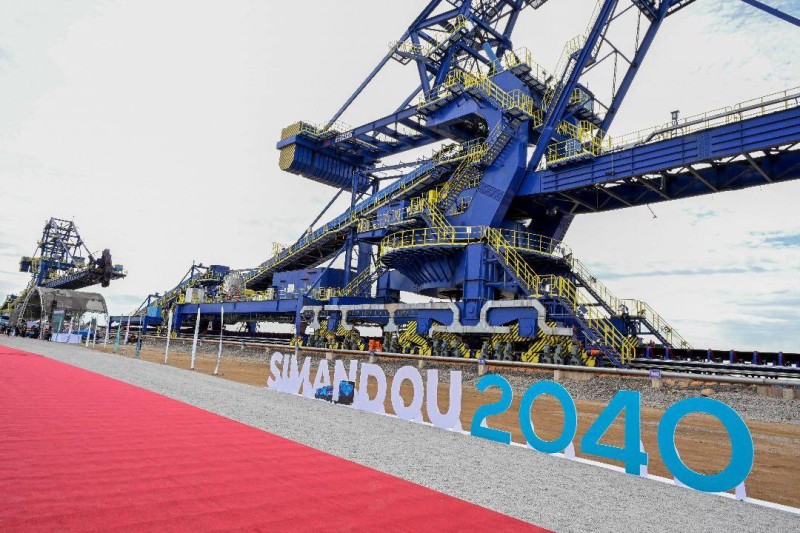
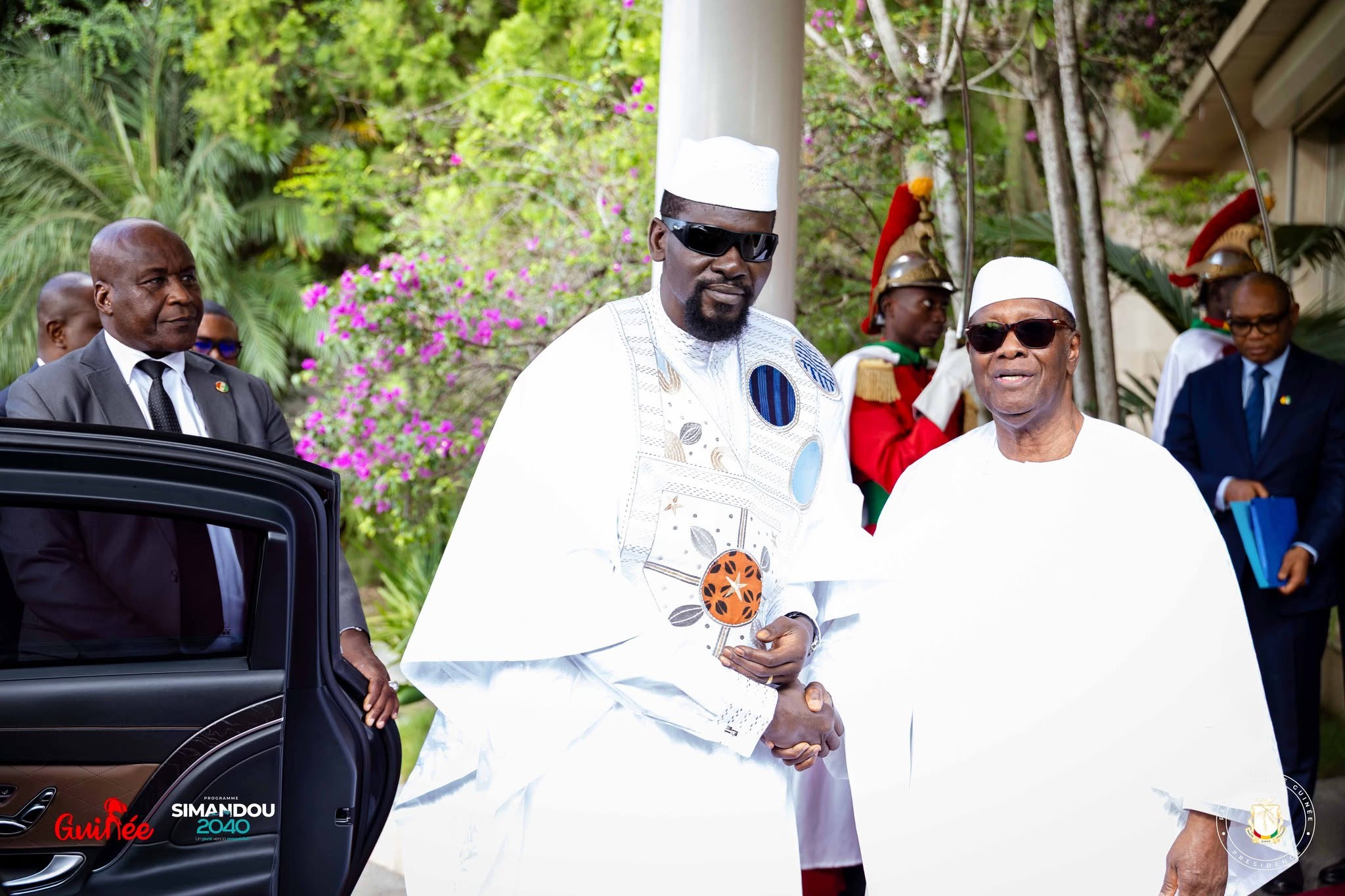
Enfoui dans les montagnes du sud-est guinéen, le gisement de Simandou est considéré comme le plus grand dépôt inexploité de minerai de fer au monde, avec une teneur exceptionnelle dépassant les 65%. Structuré en 4 blocs miniers, il affiche une capacité de production projetée de 95 millions de tonnes de fer par an. Le Programme SIMANDOU 2040, initié par le Président de la République, S.E Mamadi DOUMBOUYA lors d'un Conseil des ministres en mai 2024, s'appuie sur ce potentiel colossal gisement pour bâtir une feuille de route nationale d'une ambition rare, 200 milliards de dollars d'investissement sur 15 ans, articulés autour de 5 piliers stratégiques.
Un modèle intégré, au-delà de l'extraction
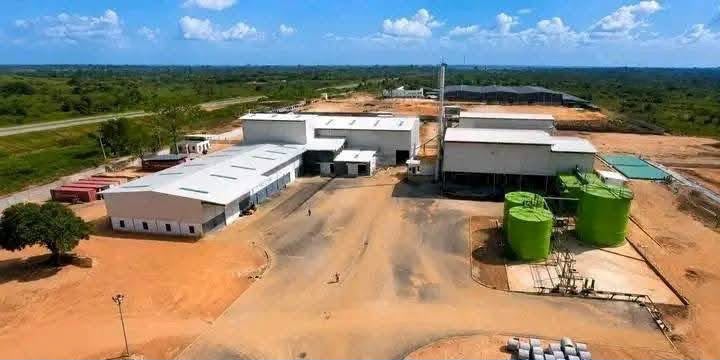
Ce qui distingue SIMANDOU 2040 des précédentes aventures minières africaines, c'est la rupture assumée avec la logique de simple exportation de matières brutes. Le programme repose sur un modèle intégré Mines–Infrastructures–Industrialisation. Concrètement, cela se traduit par la construction d'un chemin de fer de 670 km à double voie reliant les sites miniers au port en eau profonde de Morebaya, la mise en place d'une aciérie pour la transformation locale du minerai, et le développement de zones économiques spéciales. Plus de 5 milliards de dollars sont spécifiquement fléchés vers les entreprises guinéennes, tandis que l'initiative « Simandou Academy » garantit un transfert de compétences technologiques au bénéfice des nationaux.
Des retombées qui dépassent les frontières guinéennes
Les projections macroéconomiques sont vertigineuses, le Fonds Monétaire International (FMI) anticipe une hausse du PIB guinéen de 26% à l'horizon 2030 grâce à Simandou, et la croissance du PIB pourrait atteindre 10% dès 2026. Sur le plan social, plus de 50 000 emplois directs et indirects sont attendus. Pour l'Afrique, l'impact va au-delà des chiffres. Les infrastructures ferroviaires et portuaires à usage multiple ouvrent des corridors commerciaux régionaux qui pourraient dynamiser les échanges entre pays de l'Afrique de l'Ouest. La Guinée, déjà reclassée comme 2ème économie d'Afrique de l'Ouest francophone après le rebasage de son PIB estimé à 37 milliards d'euros en 2024, s'impose comme un modèle de valorisation souveraine des ressources naturelles.
SIMANDOU 2040 n'est pas qu'un programme économique, il s’agit d’une philosophie de gouvernance d’un Leader visionnaire. L'État guinéen détient 35% dans l'exploitation minière et 51% dans les infrastructures, aux côtés de partenaires comme Rio Tinto, Chalco et l'IFC. Cette architecture capitalistique fait de la Guinée un acteur stratégique, et non un simple territoire de rente. Si le pari est tenu, Simandou pourrait devenir le premier exemple africain d'une transformation réussie du capital naturel en développement humain durable, un modèle que tout un continent observe avec attention.