 English
 Français

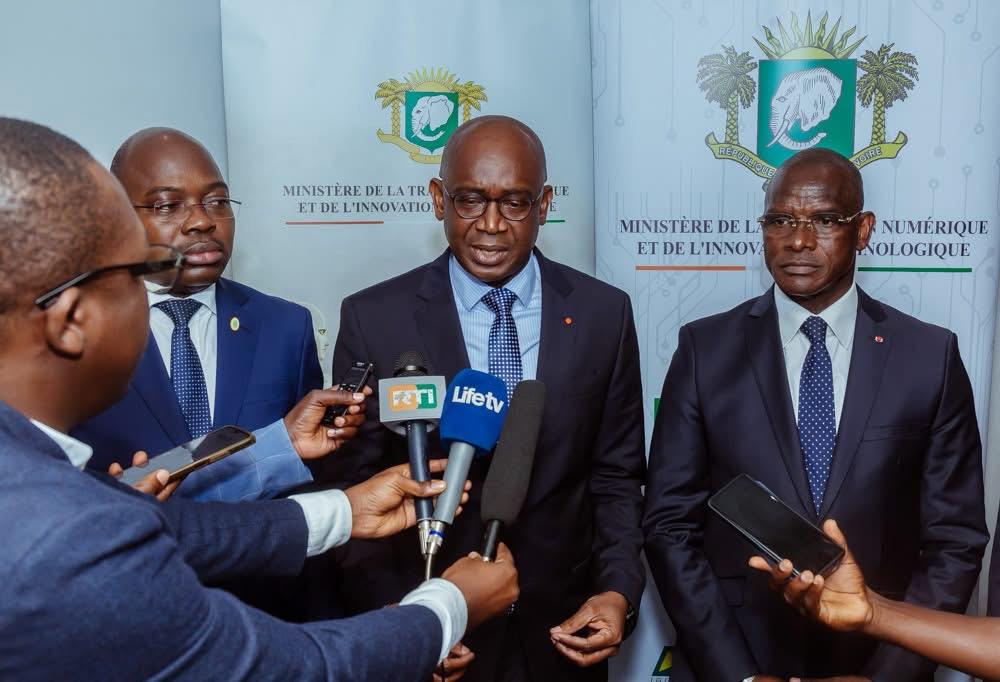
Côte d'Ivoire has taken a seat at the table of major global digital decisions. Since November 9, the Qatari capital has hosted the 22nd Plenipotentiary Conference of the International Telecommunications Union, the supreme body of the institution, which brings together the 194 member states until November 27. Every four years, it sets the strategic and financial orientations of the Union and elects its leaders as well as the members of the Council. In this context, Djibril Ouattara defends a vision articulated around 4 priorities, namely digital inclusion, access to connectivity, cybersecurity and technological innovation. An approach consistent with the plea he already made in September in Abidjan, during the last African preparatory meeting, where he called on the continent to consolidate its common position.
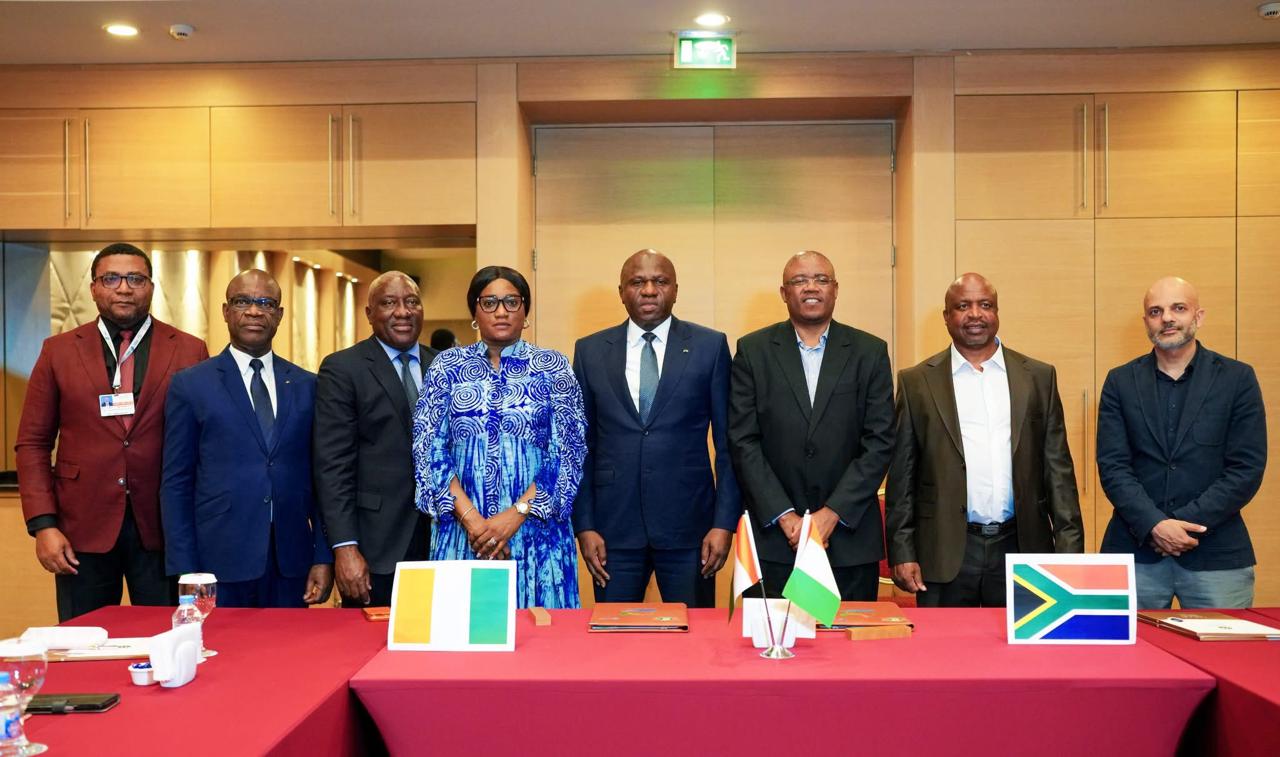
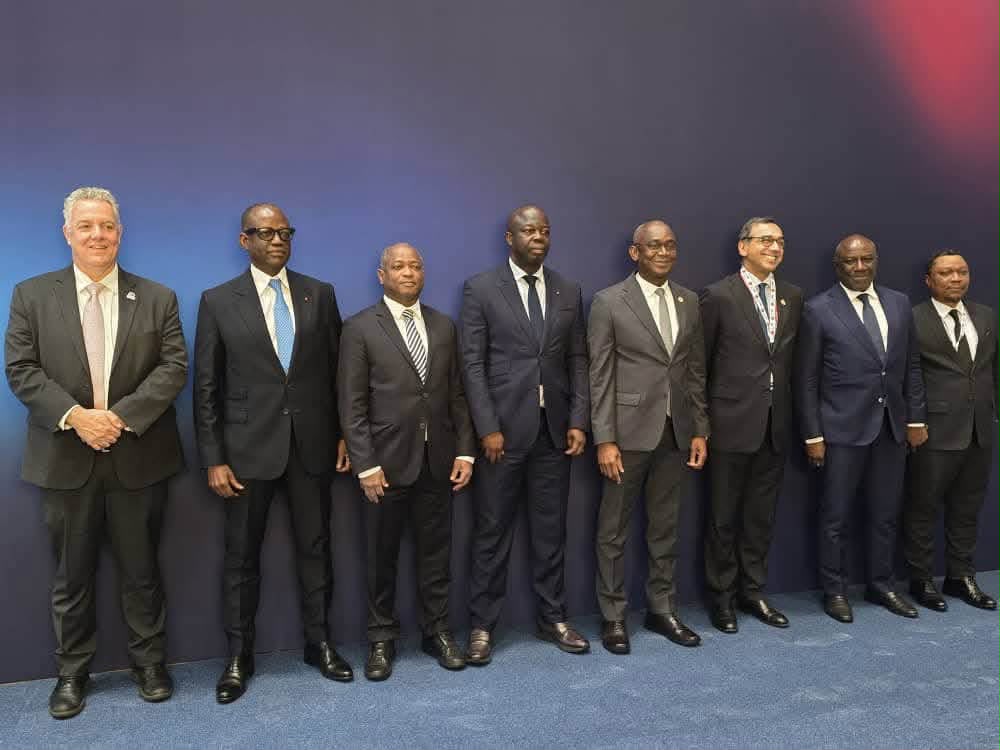
On the sidelines of the work, the Minister sealed a memorandum of understanding on November 9 with the GSMA, represented by its Director General, Vivek Badrinath. Signed in parallel with the Mobile World Congress in Doha, the text aims to facilitate people's access to mobile terminals and accelerate the adoption of high-speed internet on the national territory. This meeting brought together more than 10,000 participants from 100 countries and 86 ministerial delegations. The head of the delegation is also leading an advocacy campaign among Member States to obtain their support for the Ivorian candidacy for the ITU Council for the period 2027-2030. The competition promises to be tight: according to information published in September, eighteen countries are competing for thirteen seats.On the institutional level, the conference has already reappointed the American Doreen Bogdan-Martin to the general secretariat, with 164 votes out of 173, for a mandate beginning on January 1, 2027. This diplomatic sequence clearly illustrates Abidjan's affirmed desire to establish strategic partnerships and to influence the rules that will shape the digital future.
Between a concrete agreement and influential diplomacy, Côte d'Ivoire is playing a technological and political game in Doha, the scope of which will soon be determined by the verdict of the polls.