 English
 Français

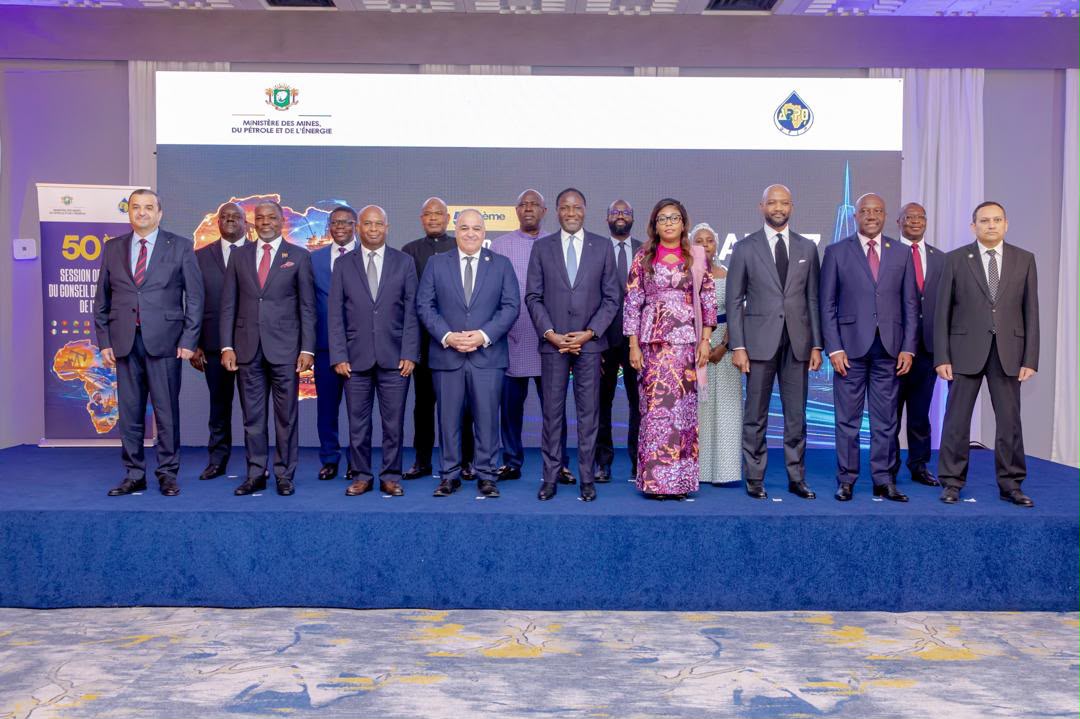
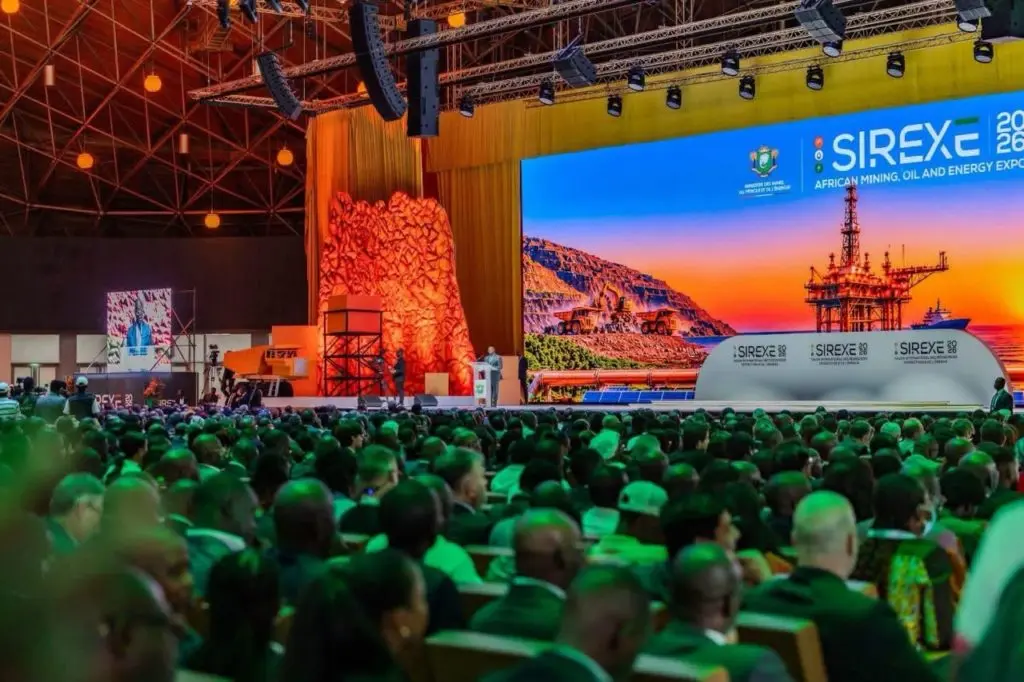
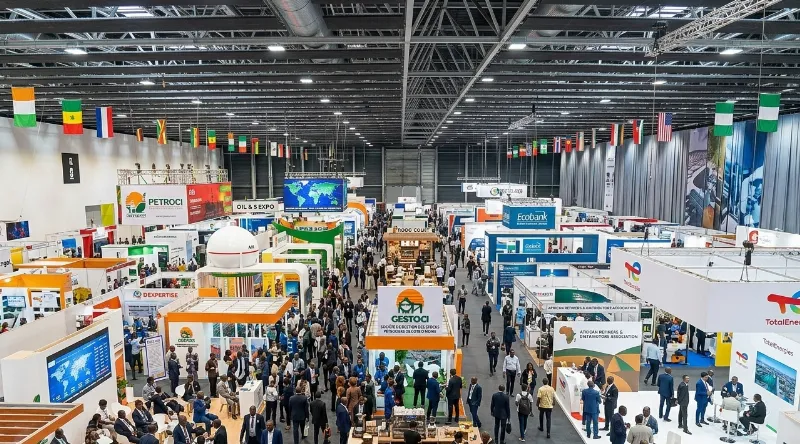
Meeting in Abidjan on November 17 for its 50th ordinary session, the African Petroleum Producers Organization (APPO) reaffirmed its ambition to strengthen the continent's energy sovereignty. Beyond the exploitation of hydrocarbons, the organization now defends a strategy focused on the local transformation of resources and the African financing of major energy projects. APPO has placed value creation on the continent at the heart of its energy strategy. At the opening of the 50th ordinary session of its Council of Ministers, the organization reaffirmed its desire to exploit African oil resources responsibly, while ensuring that populations directly benefit from the wealth generated.“It is up to us to rationally exploit our resources while respecting the environment and for the direct benefit of our populations,” declared Mamadou Sangafowa-Coulibaly, Ivorian Minister of Mines, Oil and Energy and President of the APPO Council of Ministers. According to him, Africa must defend its energy sovereignty in an international environment marked by geopolitical tensions, market volatility and the scarcity of financing for hydrocarbons. rgb(0, 0, 0);">One of the main lessons from this meeting concerns the rise of the African Energy Bank (AEB), created by APPO and Afreximbank.With an authorized capital of $5 billion, this institution must finance projects covering the entire energy chain, from exploration to refining. This new tool comes at a time when the continent's energy investment needs are estimated at $200 billion. At the same time, several international lenders are reducing their exposure to oil and gas projects in Africa. Behind the discourse on energy sovereignty lies a broader ambition: to retain a greater share of the wealth produced by hydrocarbons on the continent. The APPO advocates for the development of refineries, petrochemicals and processing industries in order to limit the export of crude and imports of refined products. The stakes are considerable.APPO member countries hold more than 90% of African oil reserves. Africa has around 119 billion barrels of proven reserves, or nearly 7.5% of global reserves.
For the organization, the question is therefore no longer just about producing more. It now involves transforming energy resources into jobs, industrial capacity and expanded access to electricity for African populations.