 English
 Français


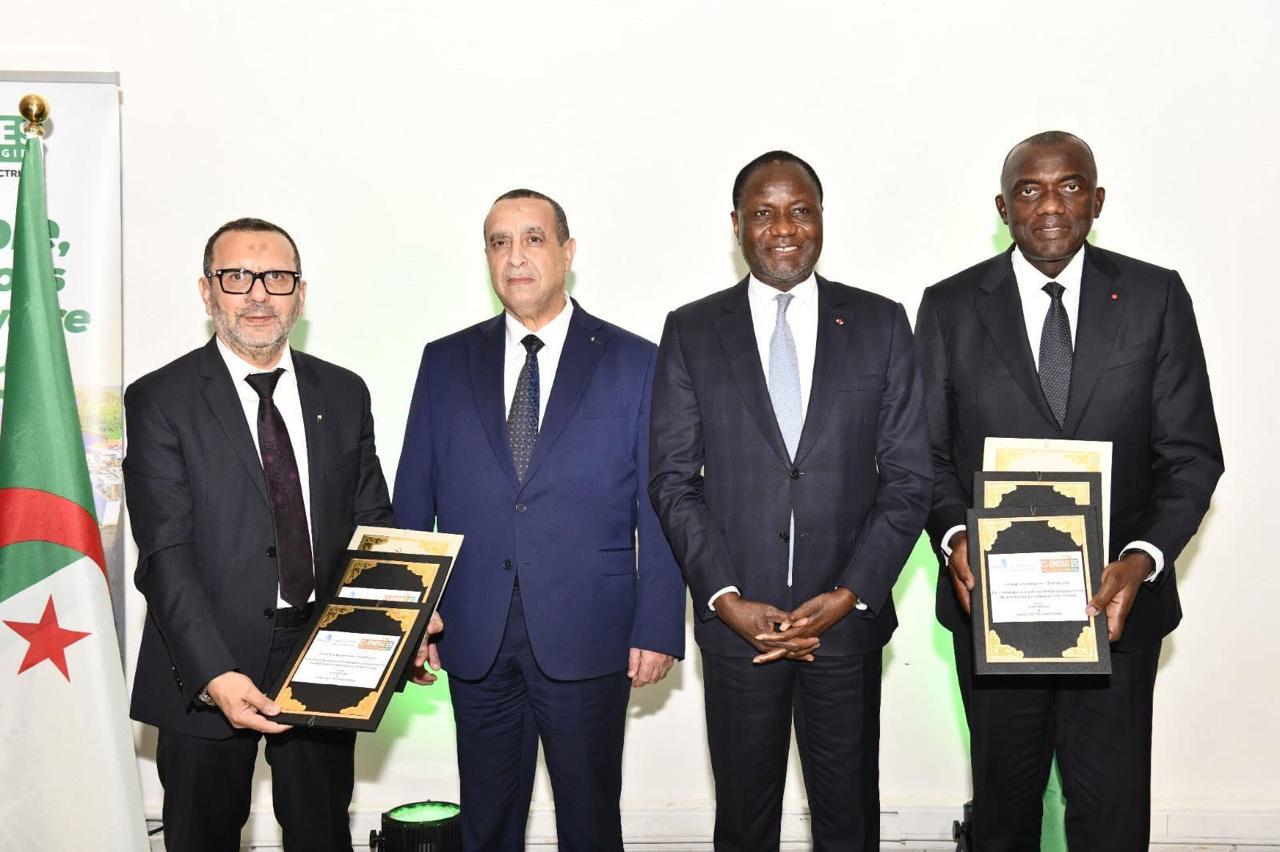
The Minister of the Environment and Ecological Transition sealed two memorandums of understanding with the Development Bank of Southern Africa (DBSA) and Olam Agri a few days ago. They share the same architecture, a cooperation framework which refers to subsequent agreements everything that involves funds. The one concluded with the DBSA is a non-exclusive declaration of intent, valid for five years. This approach is part of the third Nationally Determined Contribution (NDC 3.0). This aims for a 33.07% reduction in greenhouse gas emissions by 2035. With the South African bank, cooperation focuses on the conservation of biodiversity, the restoration of ecosystems, nature-based solutions and the mobilization of environmental financing.It stems in part from the approval, by the Global Environment Facility, of a project on Ivorian biodiversity in which the DBSA will play an implementing role. These perspectives echo the N'Zi River Lodge, in Gbêkê. The site is home to a voluntary nature reserve of approximately 41,000 hectares. Wildlife conservation, ecotourism and community initiatives illustrate the possible balance between preservation and local development.
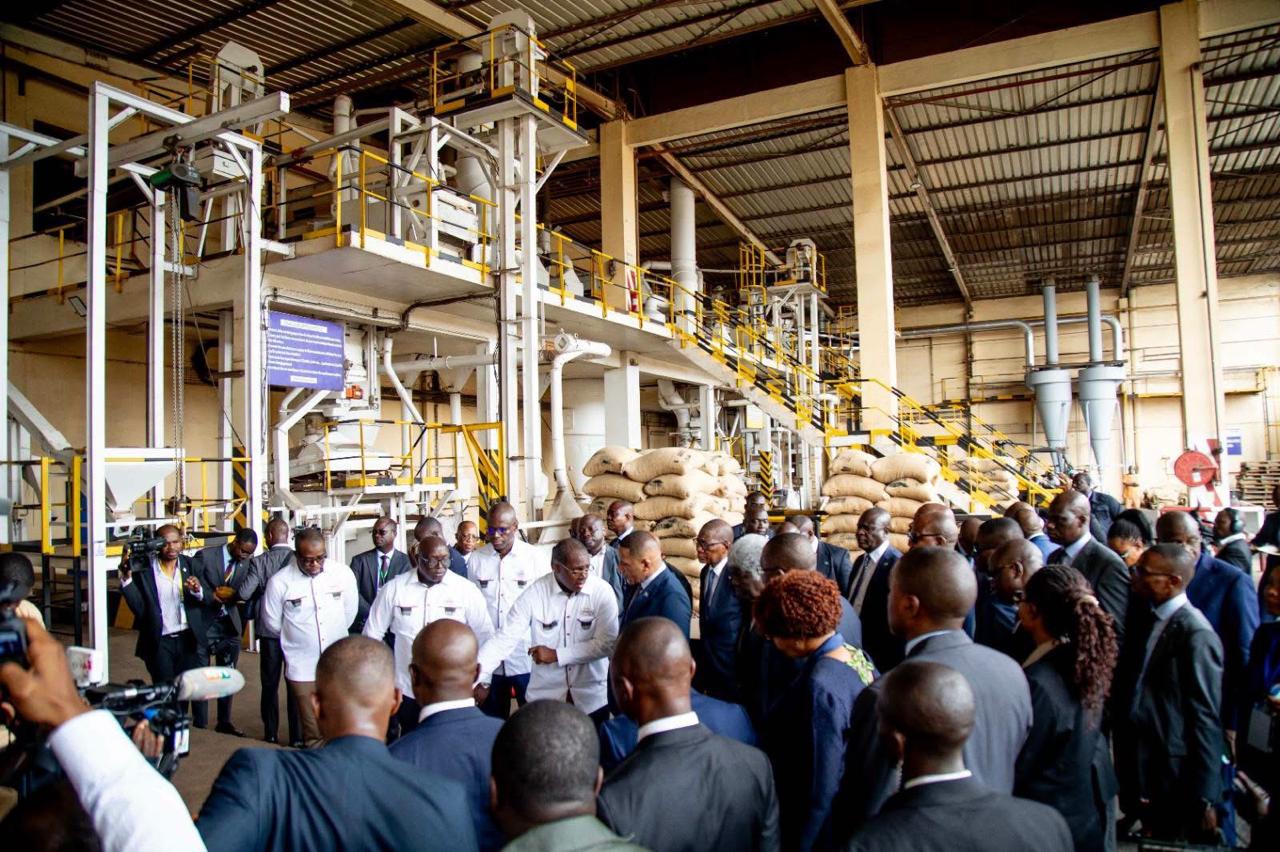
The second memorandum, lasting five years, is aligned with the National Development Plan 2026-2030. It aims to accelerate the ecological transition of agricultural and agro-industrial sectors, through regenerative agriculture, agroforestry and reforestation. Olam Agri announces the planting of 30,000 hectares of rubber trees over five years and one million trees by 2030.The group also plans to deploy RegenAgri over 256,000 hectares in the cotton zone. It builds on an existing base, in 2023, Ivory Coast became the group's first African cotton operation certified Regenagri, with more than 21,000 producers supported. The group specifies, however, that the agreement does not create any binding financial obligations. Any future commitment will be subject to separate agreements.
These memorandums establish a framework and quantified objectives, but their scope will depend on the funding and projects that follow. The challenge is significant, the national strategy plans to restore 3 million hectares of forests by 2030.