 English
 Français

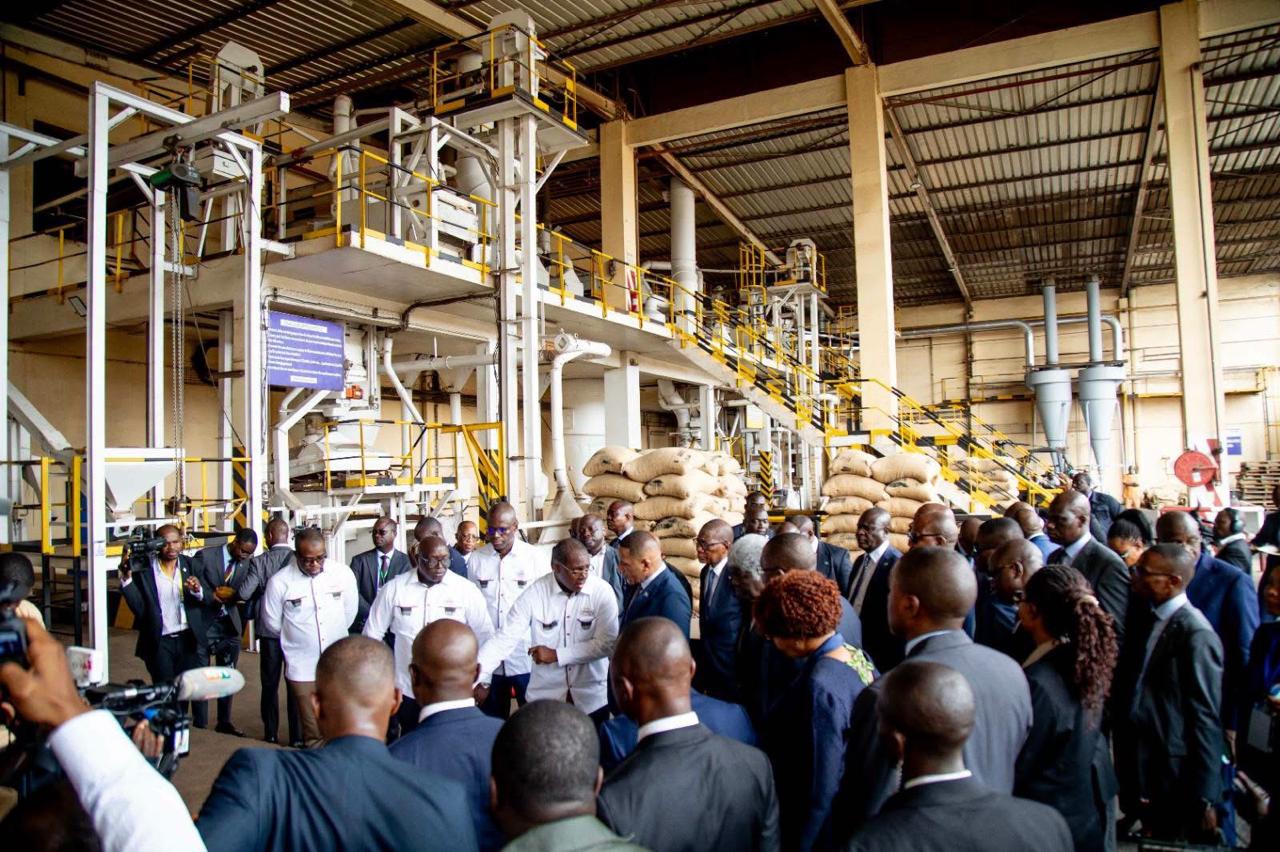
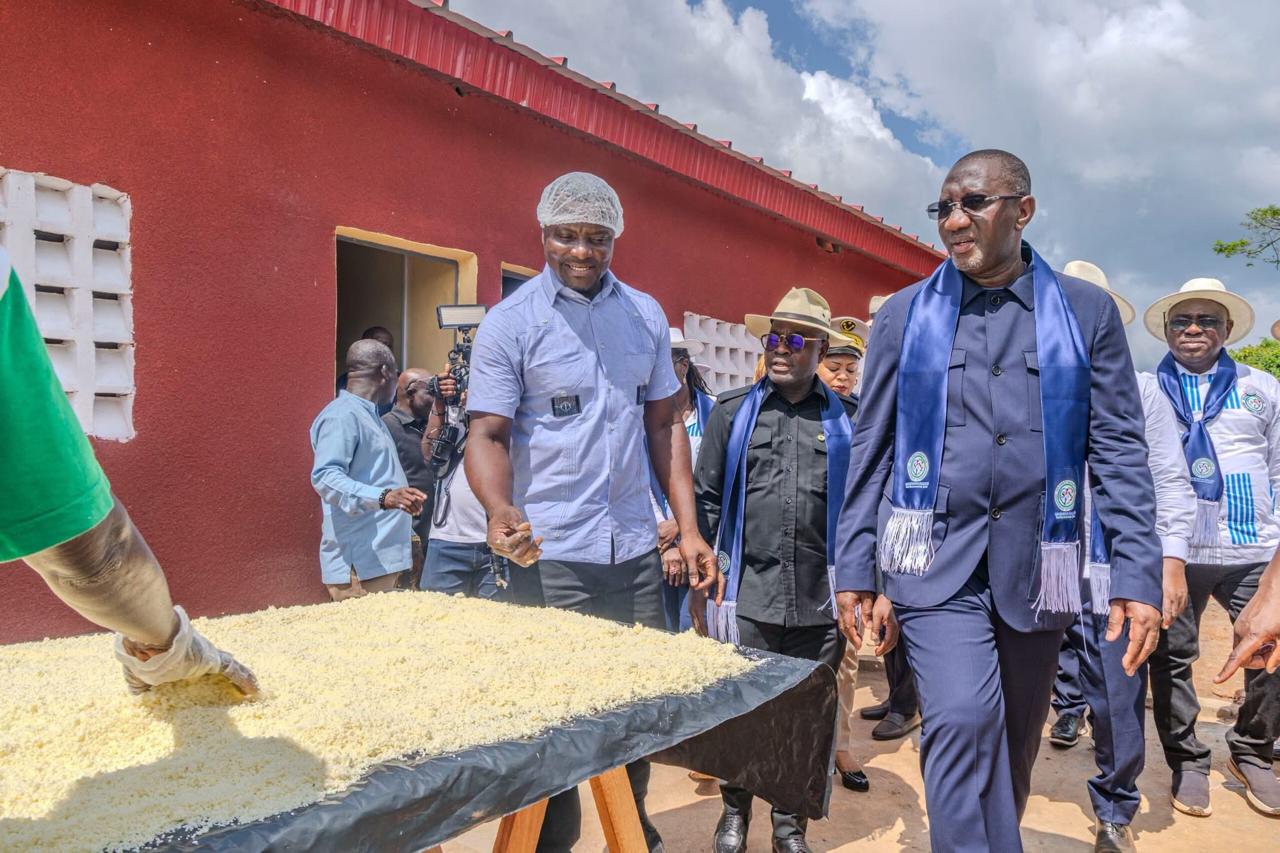
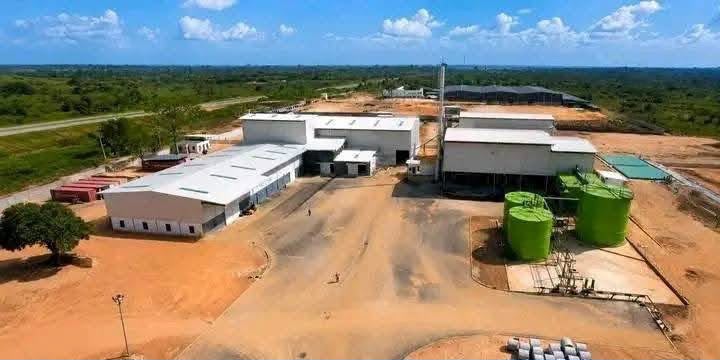
Accompanied by Prime Minister Robert Beugré Mambé, the Botswanan Head of State, Duma Gideon Boko, followed the journey of cocoa, from the grinding of the beans to the chocolate. Installed on 10 hectares, the factory has a grinding capacity of 70,000 tonnes and a network of more than 20,000 points of sale. On behalf of the Prime Minister, the Minister of Agriculture, Bruno Nabagné Koné, recalled that Côte d'Ivoire supplies nearly 40% of the world's cocoa supply. Its installed crushing capacity now exceeds 1.15 million tonnes per year. The share of production processed on site increased from 6.5% in 2018 to 43% in 2025. The objective of at least 50% is set for 2030. This change in scale is clear, the grinding capacity, estimated at 712,000 tonnes at the start of 2023 according to data published then, has since crossed the threshold of 1.15 million.The country, which produces more than two million tonnes of beans per year, is gradually changing its status, from a simple supplier of raw materials to an industrial powerhouse.
For Abidjan, the challenge is to capture more added value, create sustainable jobs for young people and develop the consumption of cocoa-derived products in Africa. The Minister also cited traceability, with the obligatory producer card, and the opportunities offered by the African Continental Free Trade Area. Botswana, which has built its reputation on the valorization of its diamonds, is observing this trajectory with interest. The two countries discussed an agricultural cooperation agreement, modeled on those already discussed in mines and energy.However, no specific agreement on cocoa was announced at the end of the visit. President Boko closed the sequence by signing the company's guest book.
Between Abidjan and Gaborone, the transformation of resources is becoming a common language. It remains to translate the intentions into concrete agreements, so that this South-South partnership produces African jobs and market shares.