English
 Français

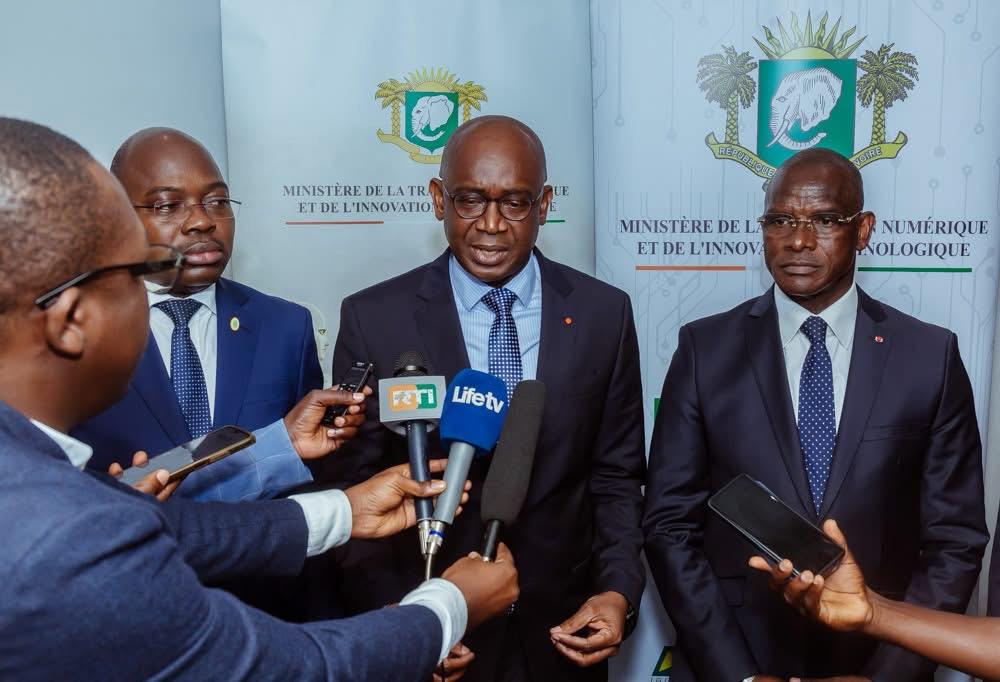
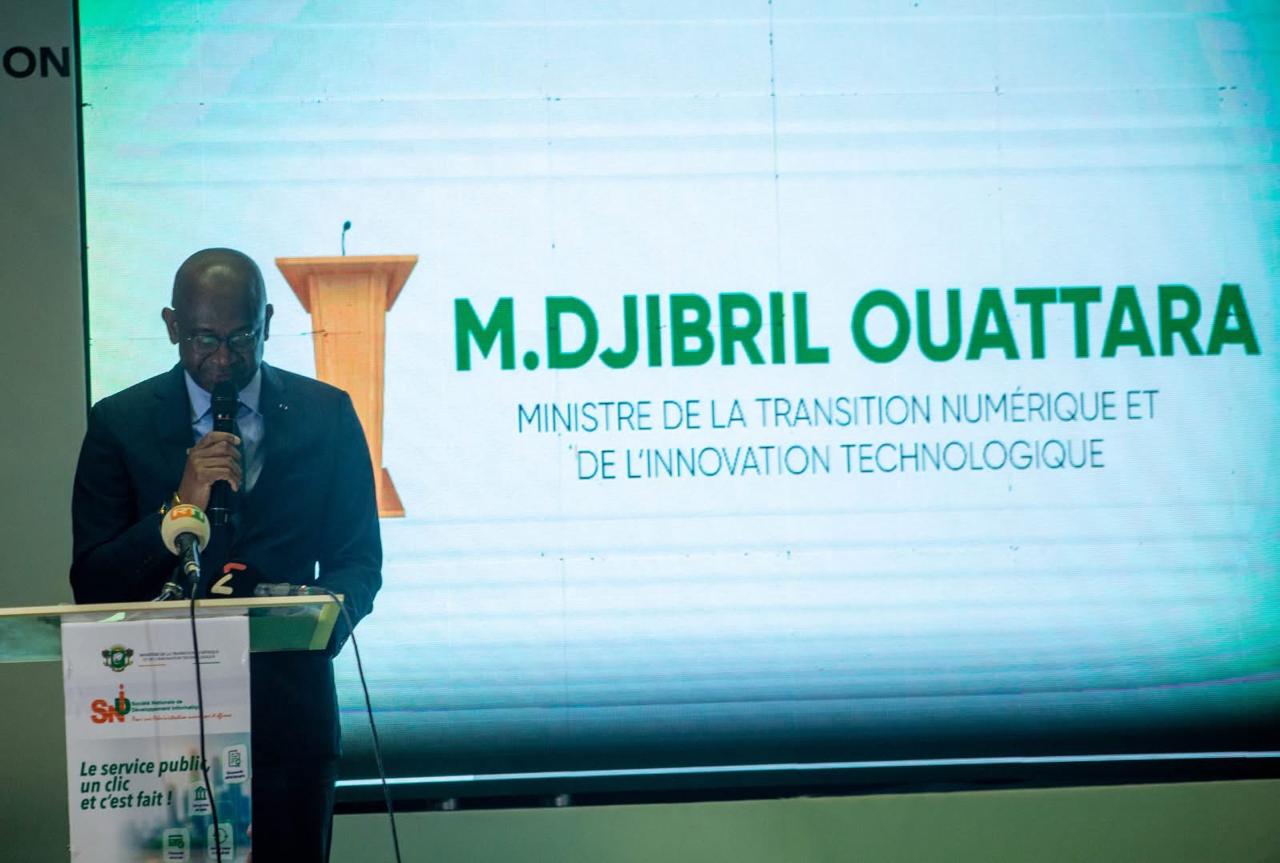
A birth certificate here, an identity card there, one more proof at the next counter. For many Ivorians, proving who you are remains an obstacle course. The government wants to put an end to it. On Monday October 5, 2026, the Minister of Digital Transition and Technological Innovation, Djibril Ouattara, officially launched the feasibility study of a national authentication platform and a digital identity wallet. He was alongside the Minister of the Interior and Security, Vagondo Diomandé, representatives of ministries and financial partners.
The study is part of the Support Project for Strengthening Electronic Administration (Parae), with support from the ADB.Minister Ouattara hammered home the philosophy of the project: “It is therefore not a question of creating another application, but of connecting existing systems” so that the basic registers can be consulted in a simple and secure manner with the same identifier. He added that the country “is not starting from zero”. The study will in fact rely on the National Register of Natural Persons and on the achievements of the National Office of Civil Status and Identification of Côte d'Ivoire (ONECI), to promote interoperability.
The scope of the study is broad. It will focus on digital supporting documents (civil status, diplomas, permits), with three safeguards such as data minimization, control of traces and limitation of the correlation of uses.For Minister Vagondo Diomandé, the system should also reduce the risks of fraud and identity theft. To succeed, Djibril Ouattara called on ONECI, sectoral administrations, financial players, the private sector and partners to converge their systems. The consultations began in Abidjan on October 5. Diagnosis, scenario analysis and recommendations will follow, with an implementation trajectory expected at the end of January 2027.
This is not yet an operational launch of the digital wallet. But the direction is given, an identifier, connected registers and a trust to build.