

155 result(s) for “Office National de l'Eau Potable”
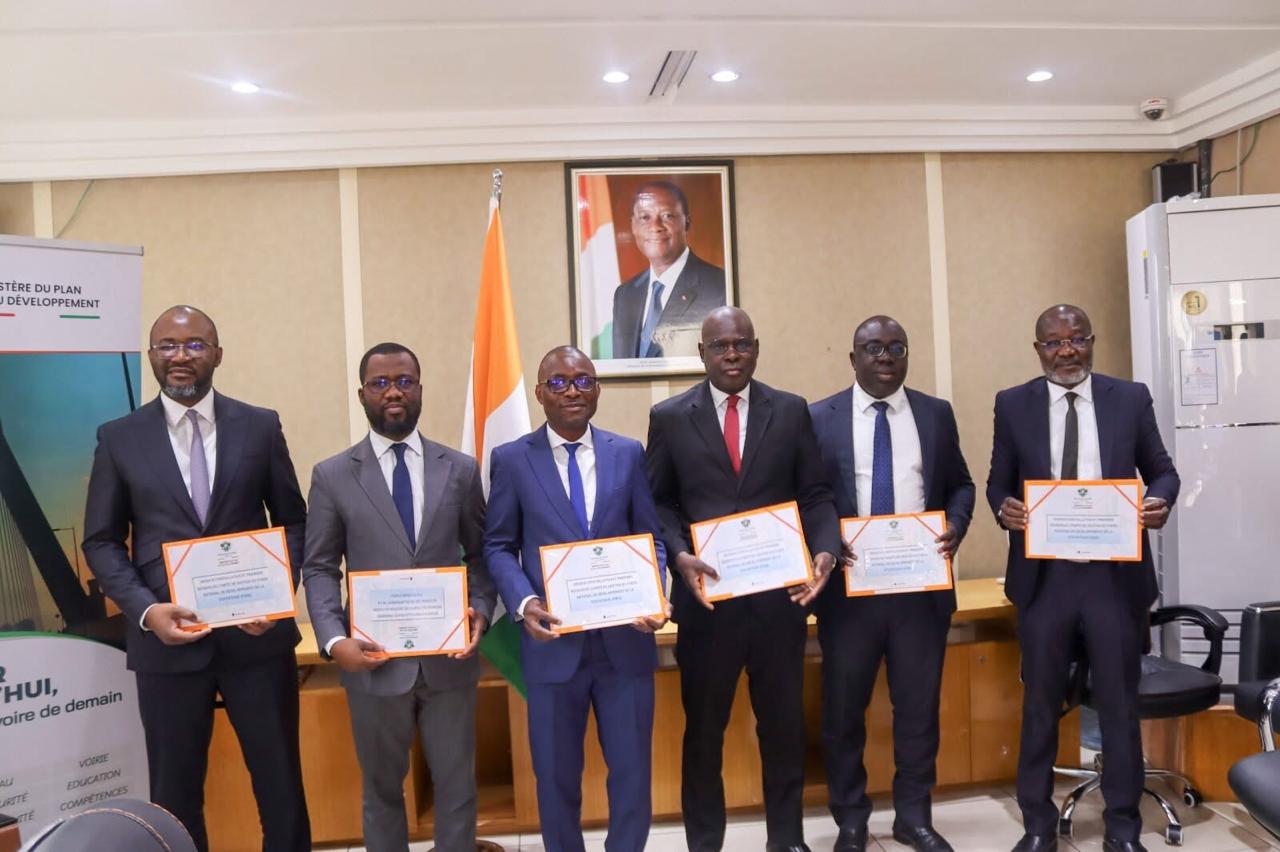
Abidjan a accueilli, début août, l’installation du Comité de gestion du Fonds National de Développement de la Statistique (FNDS). La cérémonie a été conduite par le Pr Loesse Jacques Esso, Directeur de Cabinet, au nom du Ministre du Plan et du Développement, Dr Souleymane Diarrassouba. Ce nouvel organe vient parachever...
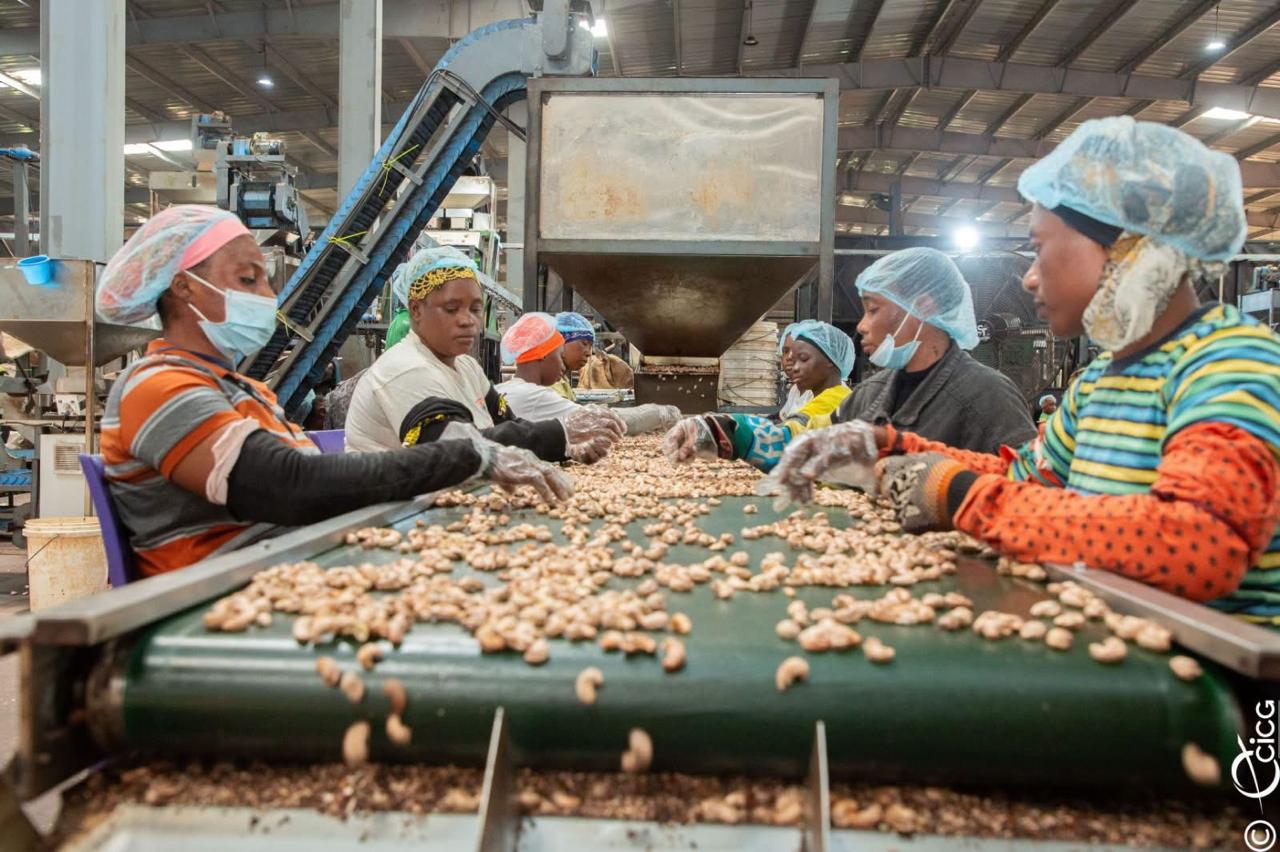
Longtemps exportée brute, la noix de cajou ivoirienne prend racine industrielle à Boundiali. À Tombougou, les machines de PAN Agro Africa Commodities tournent déjà à plein régime, traitant chaque jour des tonnes d'amandes qui, hier encore, partaient vers l'Asie pour y être décortiquées. Un symbole de la mue industriell...
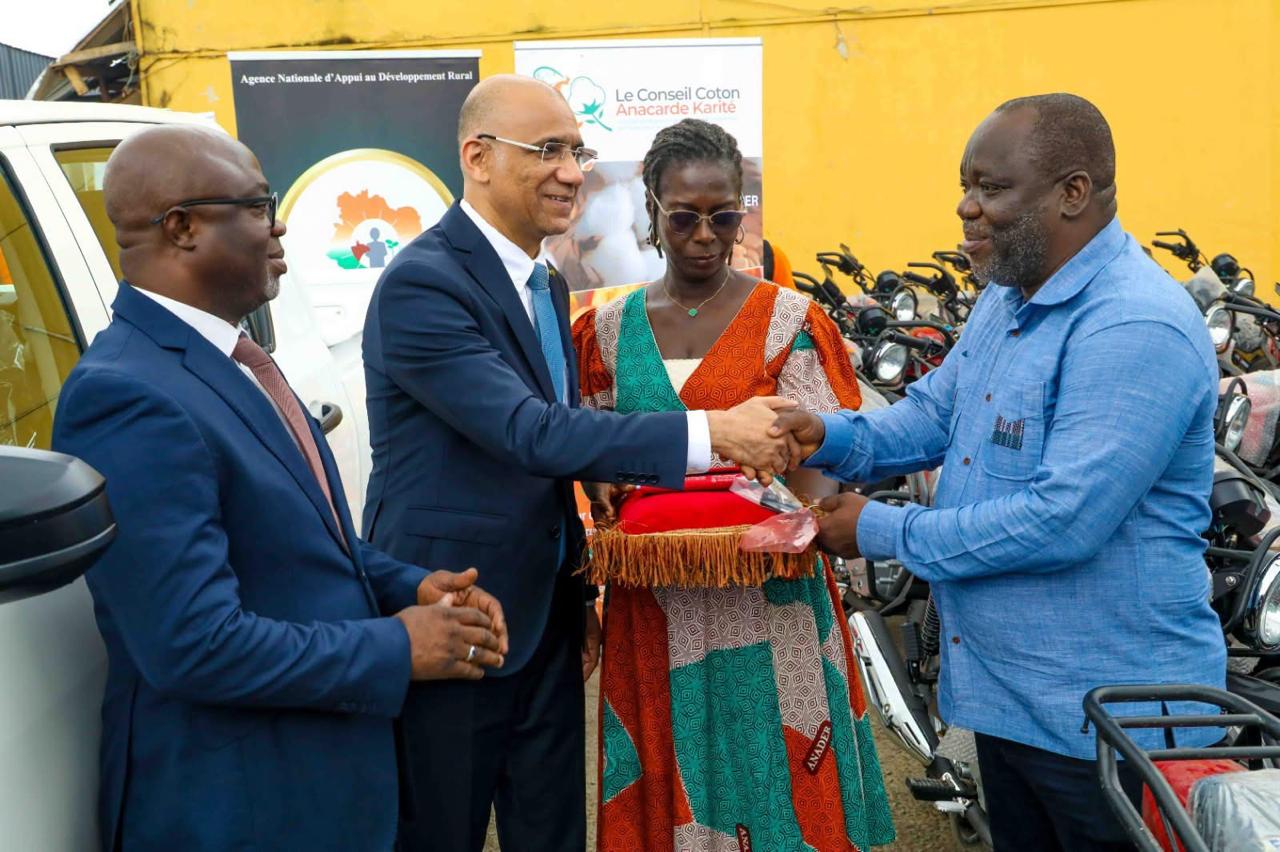
Récemment, à la Direction Régionale Abidjan Sud de l'ANADER, à Marcory, un important lot de matériels roulants a effectivement changé de main. L’objectif étant de donner aux agents de terrain et aux chercheurs les moyens d'aller plus vite, plus loin et plus souvent au contact des producteurs d'anacarde, pilier stratégi...
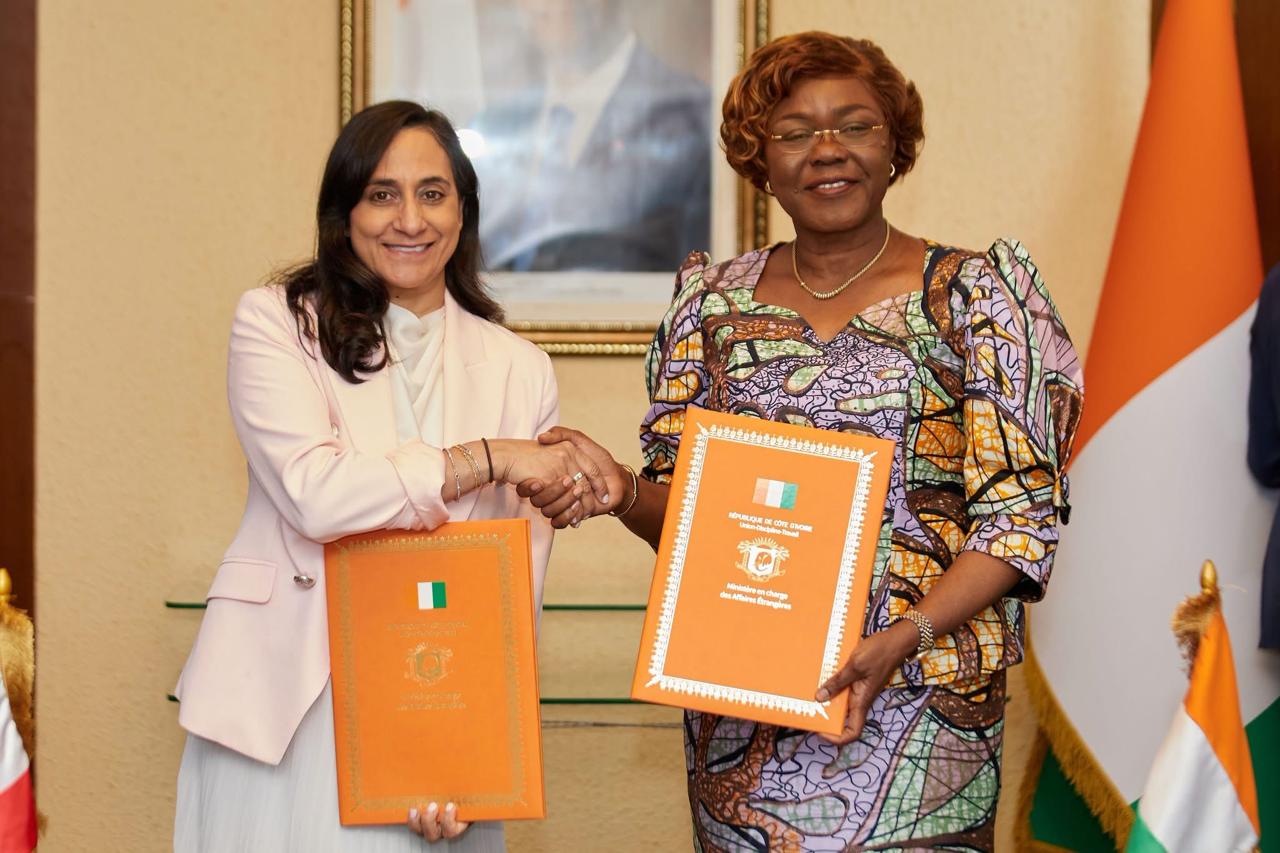
L'évolution de la coopération entre la Côte d'Ivoire et le Canada passe aussi par les petites et moyennes entreprises (PME). Le 6 août 2026 à Abidjan, à l'occasion de sa première visite officielle de travail en terre d'Eburnie, l'Honorable Anita Anand, Ministre des Affaires étrangères du Canada, FinDev Canada a officia...
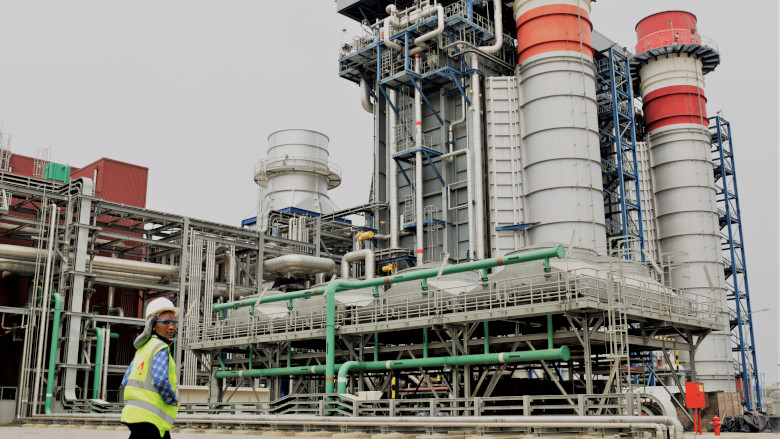
Les États-Unis, via le Millennium Challenge Corporation, ont fait un don de 300 millions de dollars, soit 171,65 milliards F CFA à la Côte d'Ivoire pour moderniser son réseau électrique et consolider son statut de plaque tournante énergétique régionale, au bénéfice de millions de foyers ouest-africains.
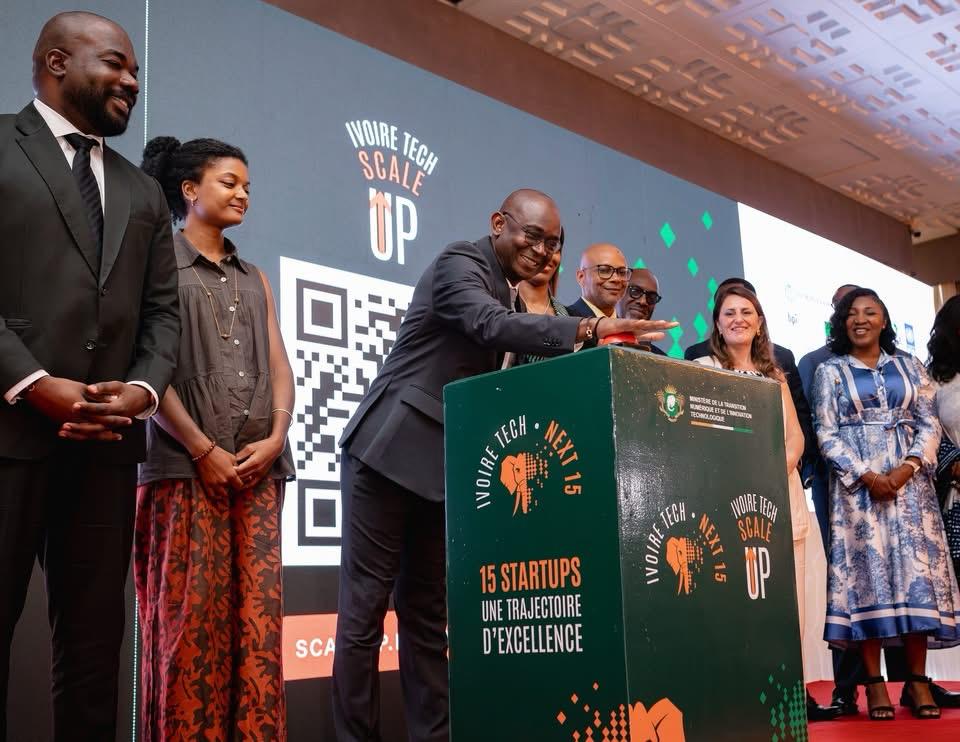
Depuis mercredi 29 juillet 2026, le rêve de tout jeune entrepreneur numérique ivoirien a un nom et une date limite. Le Ministère de la Transition numérique et de l'Innovation technologique a officiellement lancé au Sofitel Hôtel Ivoire les programmes Ivoire Tech Next 15 et Ivoire Tech Scale Up, premiers dispositifs con...
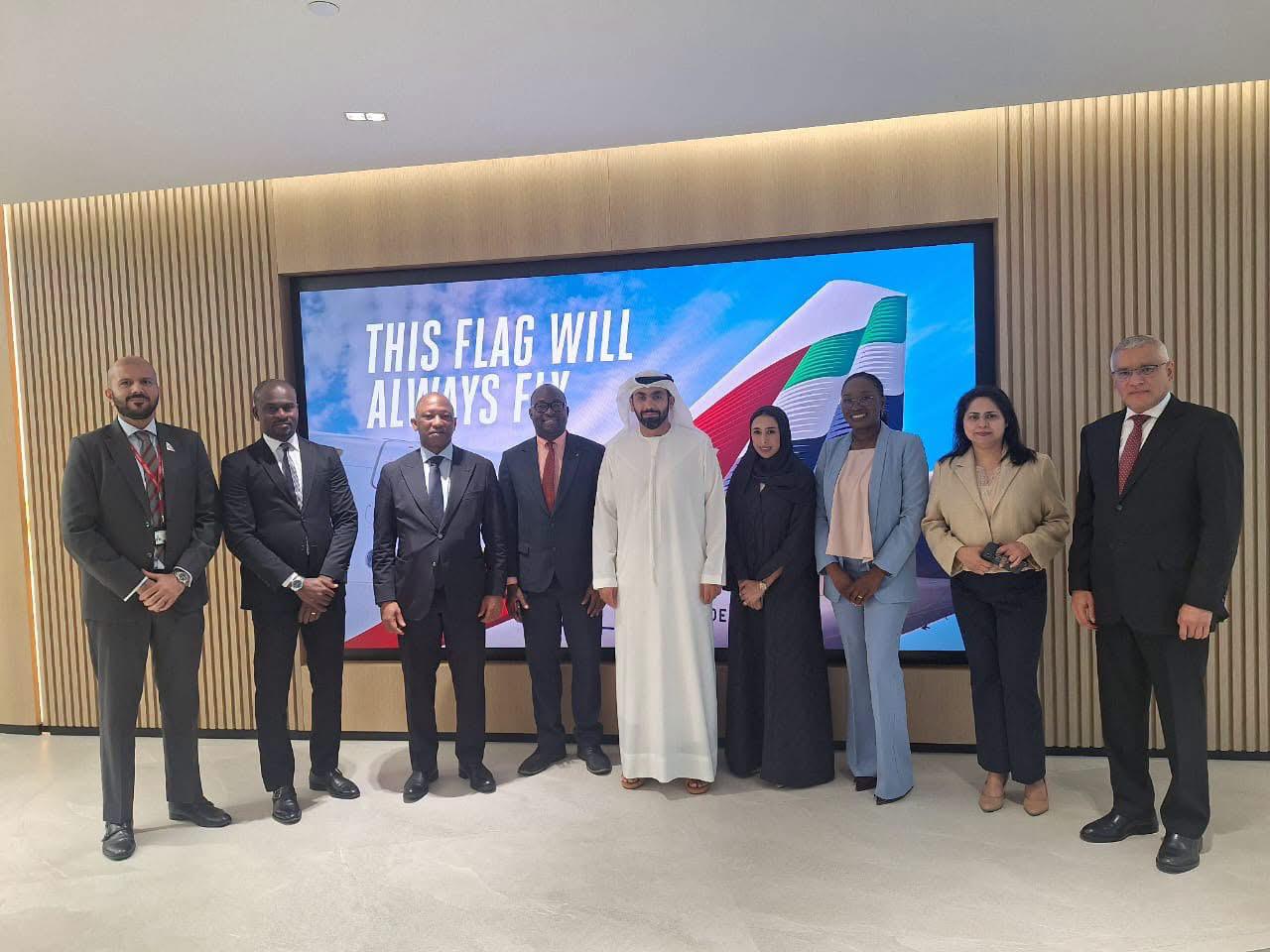
Une équipe de la Direction Générale du Transport Aérien (DGTA) a passé une semaine à Dubaï, chez Emirates Airlines, pour peaufiner la stratégie ivoirienne qui doit transformer Abidjan en hub aérien de référence ouest-africain. Fiscalité allégée sur les billets, bagages sans restriction, vol direct à l'étude. Les négoci...
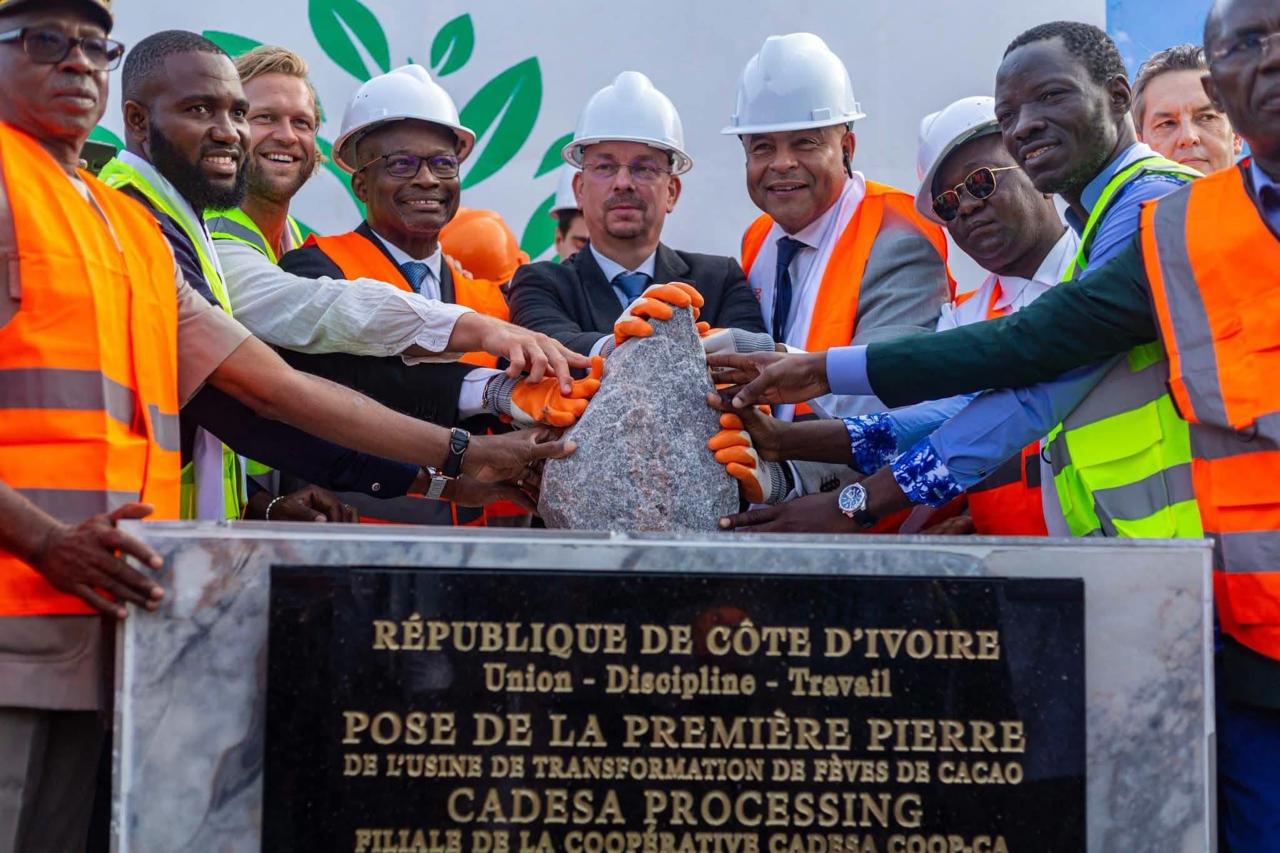
La première pierre de CADESA Processing SA a été posée récemment à Djirognepahio, dans la périphérie de San Pedro. Portée par plus de 4 000 producteurs réunis au sein de la coopérative CADESA, cette future usine incarne un tournant stratégique pour la filière cacao ivoirienne, longtemps cantonnée à l'exportation de fèv...
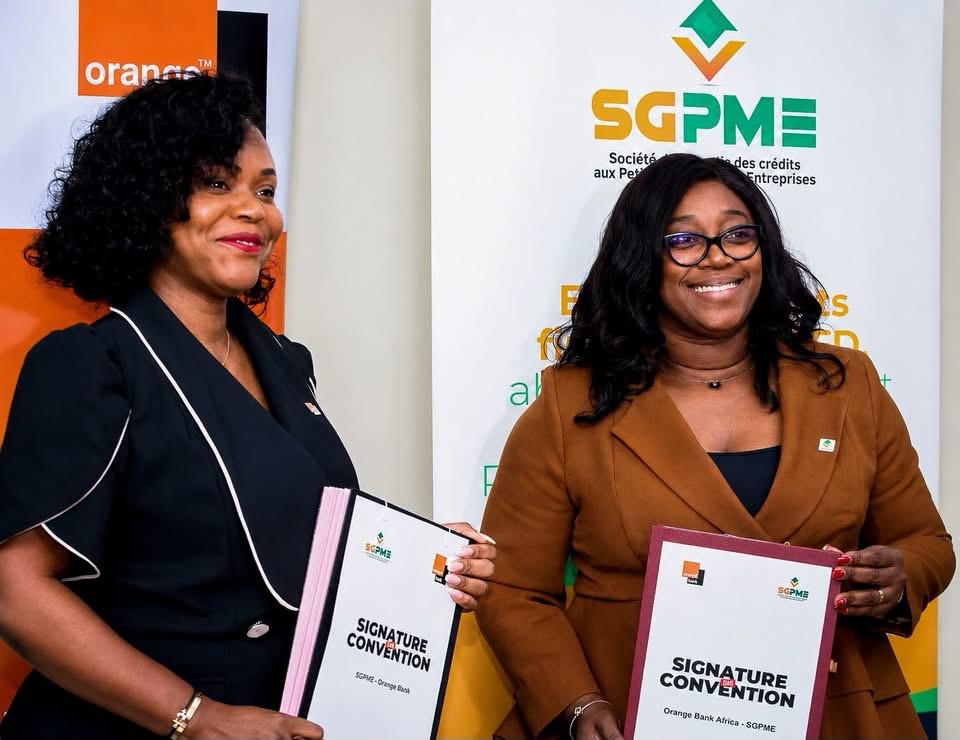
Dans un pays où l'accès au financement reste le premier obstacle cité par les patrons de PME, un chiffre vient d'apporter une bouffée d'air, 17 milliards de F CFA. C'est le montant que la Société de Garantie des crédits aux PME ivoiriennes (SGPME) et Orange Bank Africa (OBA) se sont engagés à mobiliser à travers deux c...
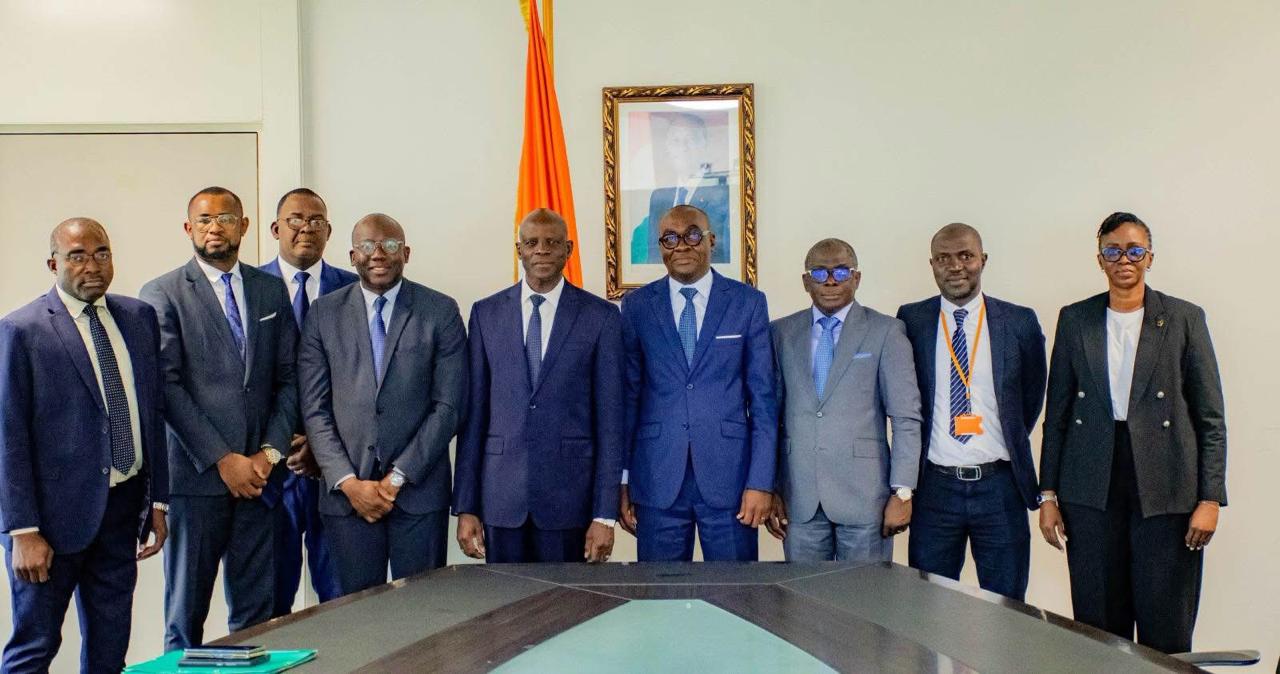
Une délégation de l'Institut National Polytechnique Félix Houphouët-Boigny (INP-HB) conduite par son Secrétaire Général, Dr Palé Sié, et le Directeur Général de la Digital Farming School, Dr Louis Koko, a été reçue récemment au Cabinet du Professeur Adama Diawara, Ministre de l'Enseignement Supérieur et de la Recherch...
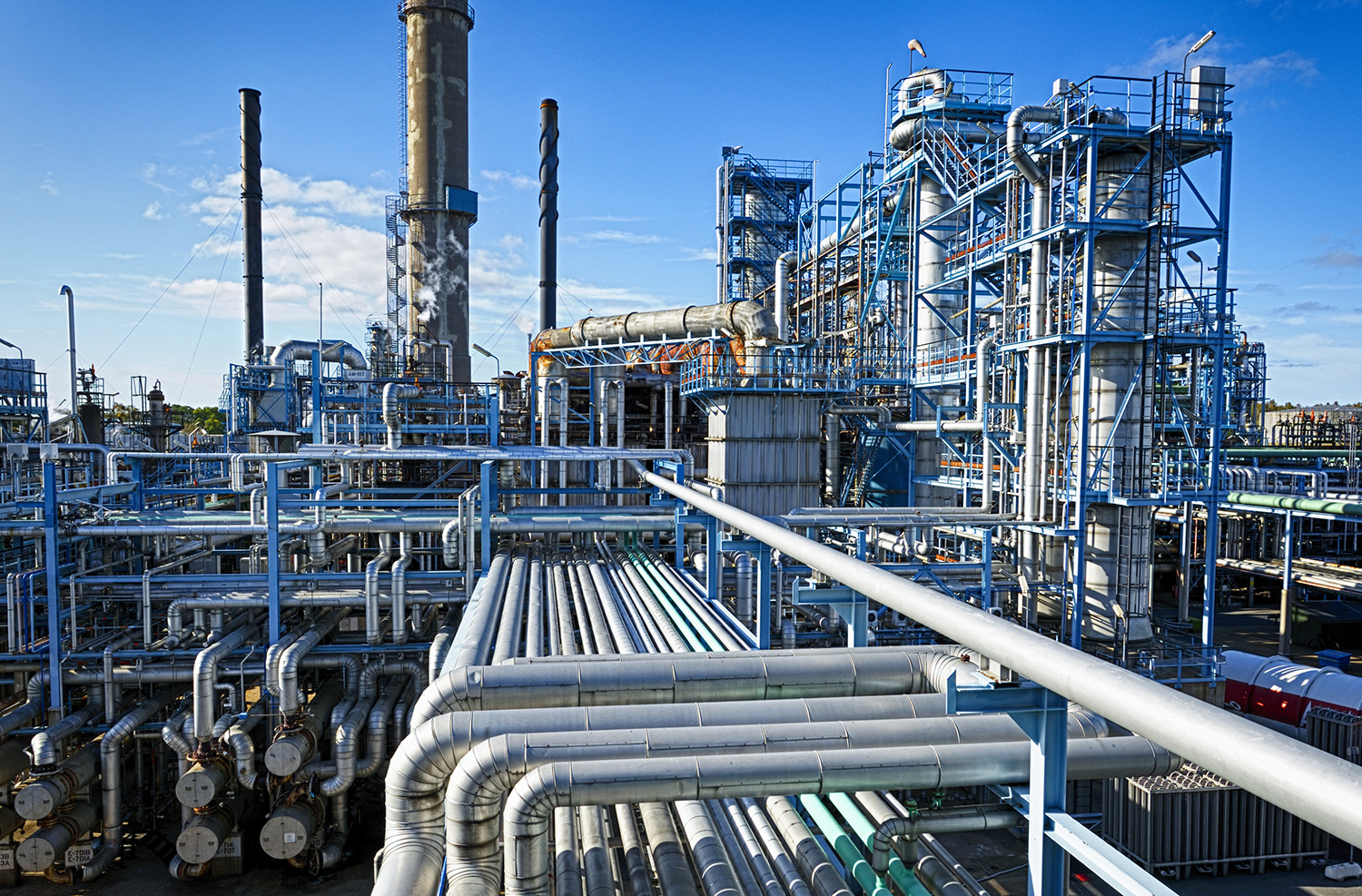
Le gouvernement, à travers le Ministre des Mines, du Pétrole et de l'Énergie, Mamadou Sangafowa Coulibaly, confirme la construction d'une deuxième raffinerie à San Pedro, un projet titanesque qui doit tripler la capacité nationale de raffinage avant 2040 et propulser le pays au rang de hub énergétique ouest-africain. C...
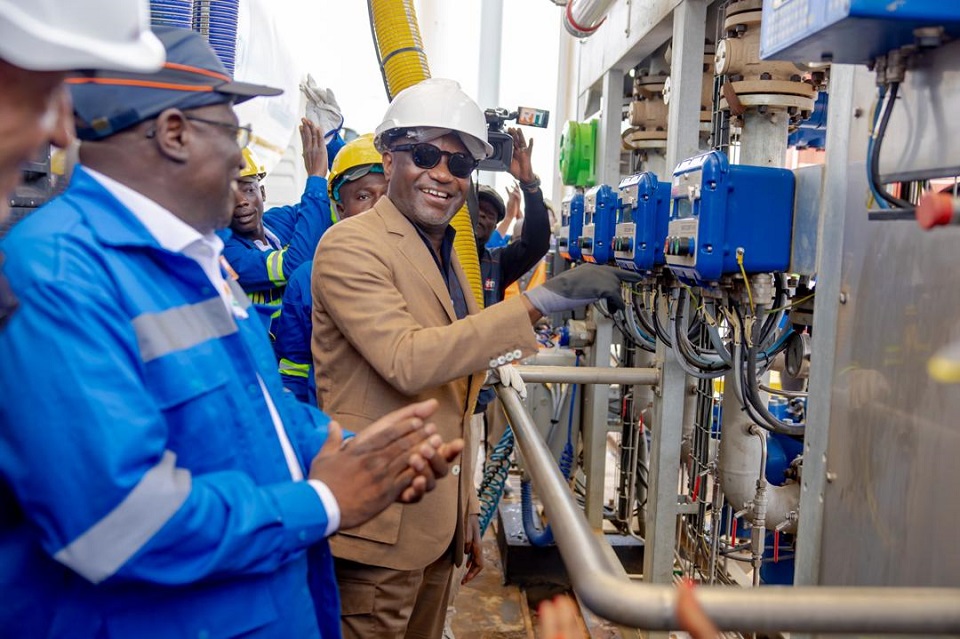
Le Ministre des Mines, du Pétrole et de l'Énergie, Mamadou Sangafowa Coulibaly, a mis en service le bac R14 de 20 000 m³ de gasoil et le premier poste ivoirien de chargement en source des camions-citernes de la GESTOCI, le 24 juillet 2026. Cette double infrastructure porte la capacité totale du dépôt à 100 700 m³.
 English
 Français