 English
 Français

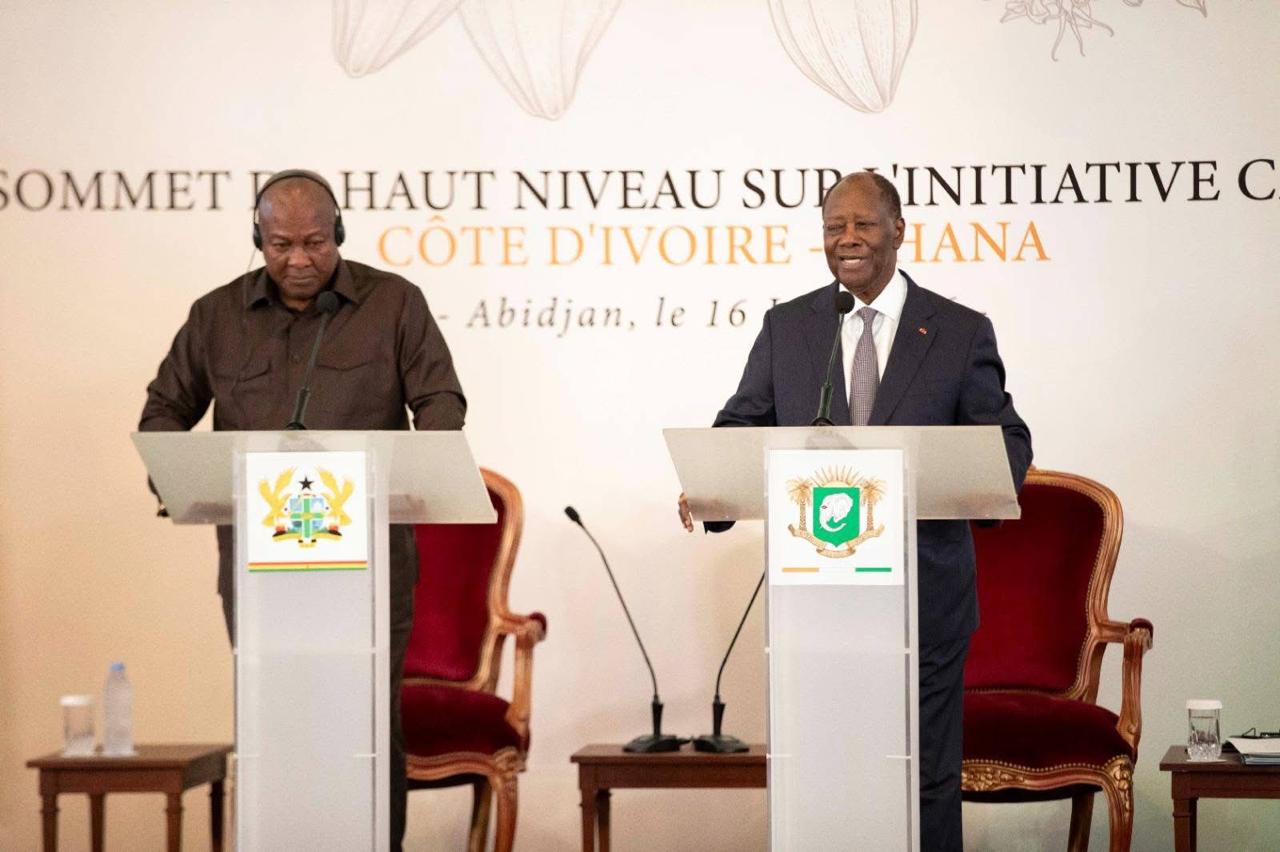
Ils produisent 60% du cacao mondial, mais leurs planteurs n'en récoltaient jusqu'ici qu'une infime fraction de la richesse générée. Ce paradoxe, Abidjan et Accra ont décidé d'y remédier. Lors du Sommet de haut niveau sur l'Initiative Cacao, tenu mardi 16 juin 2026 au palais présidentiel d'Abidjan, les Chefs de l’État S.E Alassane OUATTARA et S.E John Dramani Mahama ont adopté une feuille de route ambitieuse lue par le Ministre ivoirien de l'Agriculture, Bruno Nabagné Koné. Les deux pays ont d'abord convenu d'harmoniser leurs politiques de prix bord champ, une mesure qui vise à éliminer la concurrence déloyale et la contrebande transfrontalière. Rappelons que la Côte d'Ivoire avait déjà fixé son prix à 2 800 f cfa/kg pour la campagne 2025-2026, et le Ghana avait suivi à 3,92 euros/kg. Cette convergence doit désormais s'inscrire dans un cadre permanent et coordonné.
Voir aussi : Agriculture, ce que prévoit le gouvernement pour la transformation du secteur
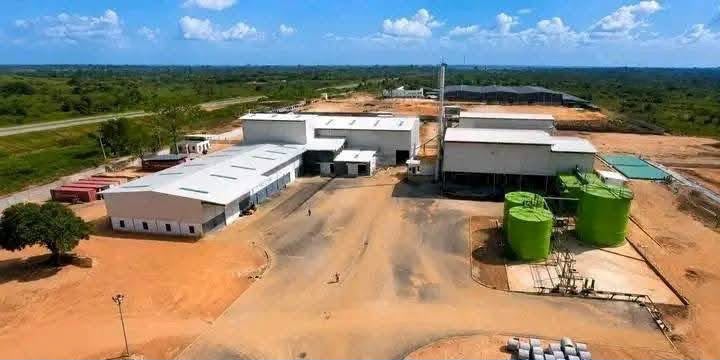
La deuxième décision garantit aux producteurs une rémunération juste et décente, en les plaçant au cœur de la chaîne de valeur. À cela s'ajoute le renforcement de la coopération scientifique entre les deux pays, afin de lutter contre les maladies du cacaoyer et d'améliorer les rendements. Les deux nations ont également décidé d'accroître la création de valeur ajoutée, en favorisant la transformation locale du cacao pour réduire la dépendance aux exportations brutes. Mesure la plus emblématique, l’élargissement du Comité de pilotage de l'Initiative Cacao Côte d'Ivoire-Ghana (ICCIG) à d'autres pays africains, notamment le Cameroun et le Nigeria. Cette ouverture transforme l'initiative bilatérale en un véritable bloc continental du cacao.
Ainsi, par cette convergence historique, Abidjan et Accra érigent la justice économique envers le producteur en fondement d'une filière durable, un signal fort adressé aux marchés mondiaux.