

73 result(s) for “Assemblée mondiale de la Santé”
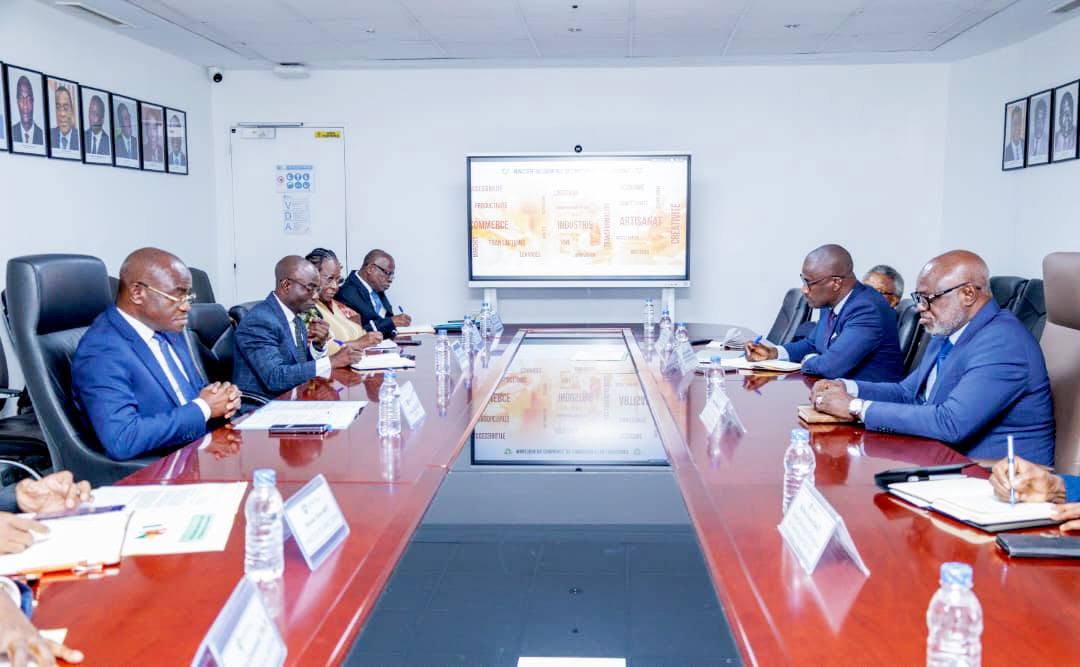
La transformation locale de la noix de cajou s'impose progressivement comme un levier d'industrialisation en Afrique de l'Ouest. En venant s'inspirer de l'expérience ivoirienne, la Guinée Bissau affiche son ambition de créer davantage de valeur ajoutée autour de l'anacarde, une culture qui constitue le pilier de son éc...
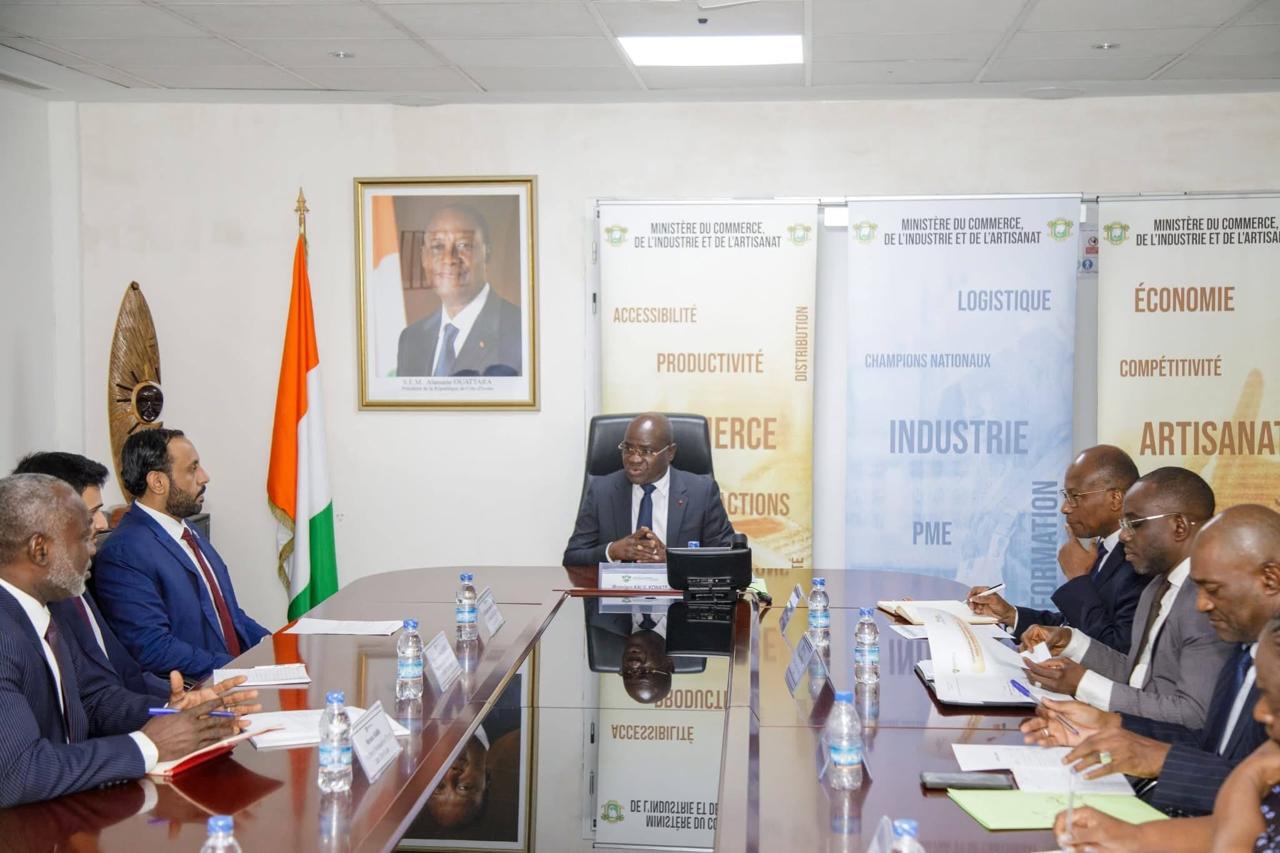
Dans moins de quatre mois, Abidjan deviendra la capitale des affaires entre le Qatar et l'Afrique. La ville va abriter la 5ème édition du Business Forum Qatar-Afrique, prévue les 2 et 3 novembre 2026. Une édition qui mobilisera 95 entreprises qatariennes, plus de 300 acteurs économiques et de grandes institutions inter...
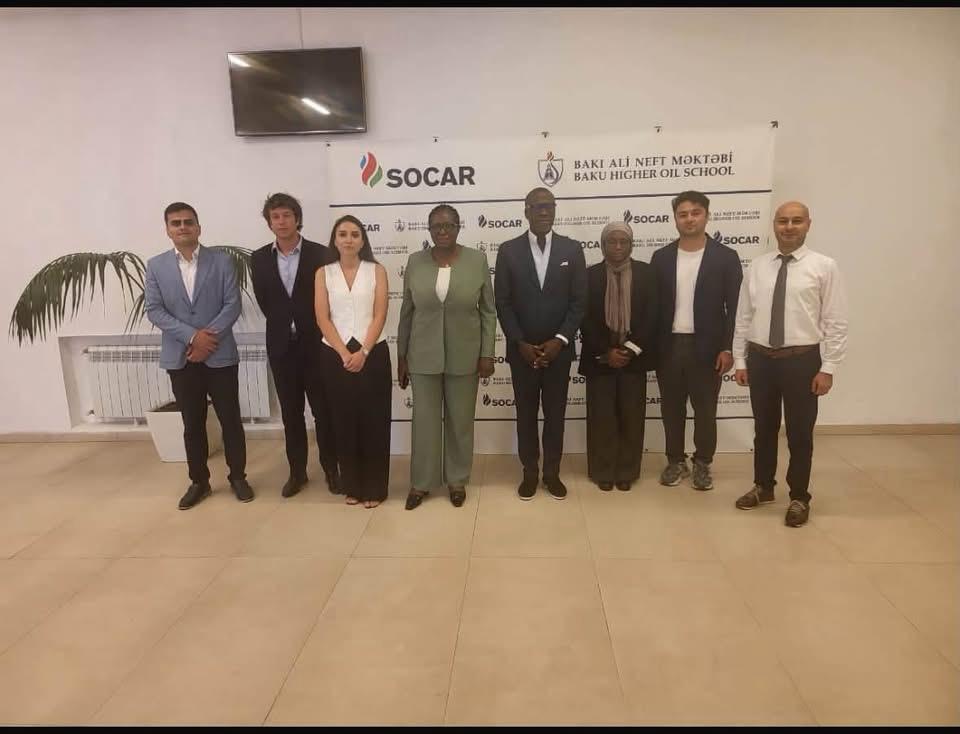
Une délégation de PETROCI HOLDING conduite par sa Direction Générale a effectué une mission de travail à Bakou, en République d'Azerbaïdjan, sur invitation de SOCAR et de sa filiale SOCAR Trading, il y a quelques jours. Cette visite marque une étape clé dans la stratégie d'internationalisation de la compagnie pétrolièr...
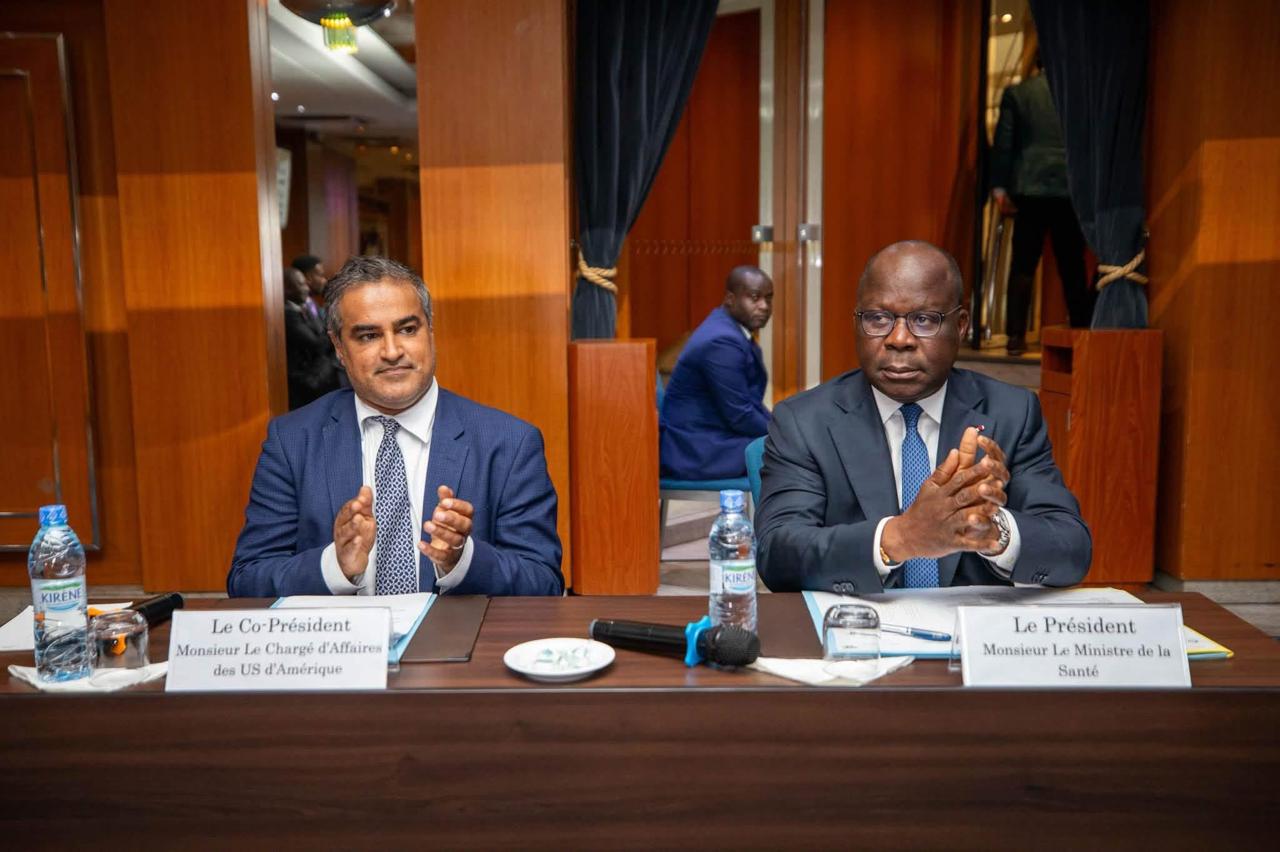
Le Chargé d'Affaires américain Junaid Munir et le Ministre ivoirien de la Santé Pierre Dimba ont présidé la première réunion du Comité conjoint de pilotage chargé de la mise en œuvre du protocole d'accord quinquennal signé entre les deux pays, il y a quelques jours.
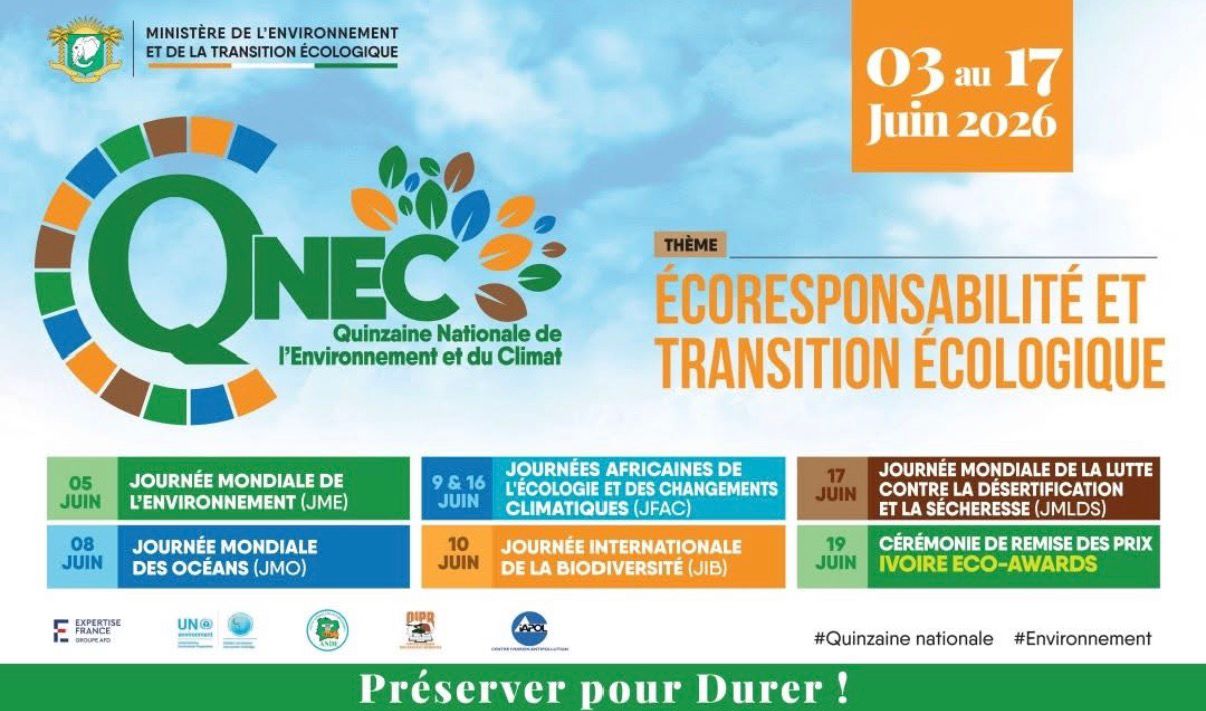
La Côte d'Ivoire célèbre son engagement écologique. Du 3 au 17 juin 2026, Abidjan accueillera la Quinzaine Nationale de l'Environnement et du Climat, placée sous le thème "Écoresponsabilité et transition écologique". Pendant deux semaines, acteurs publics, société civile, entreprises et citoyens seront invités à réfléc...
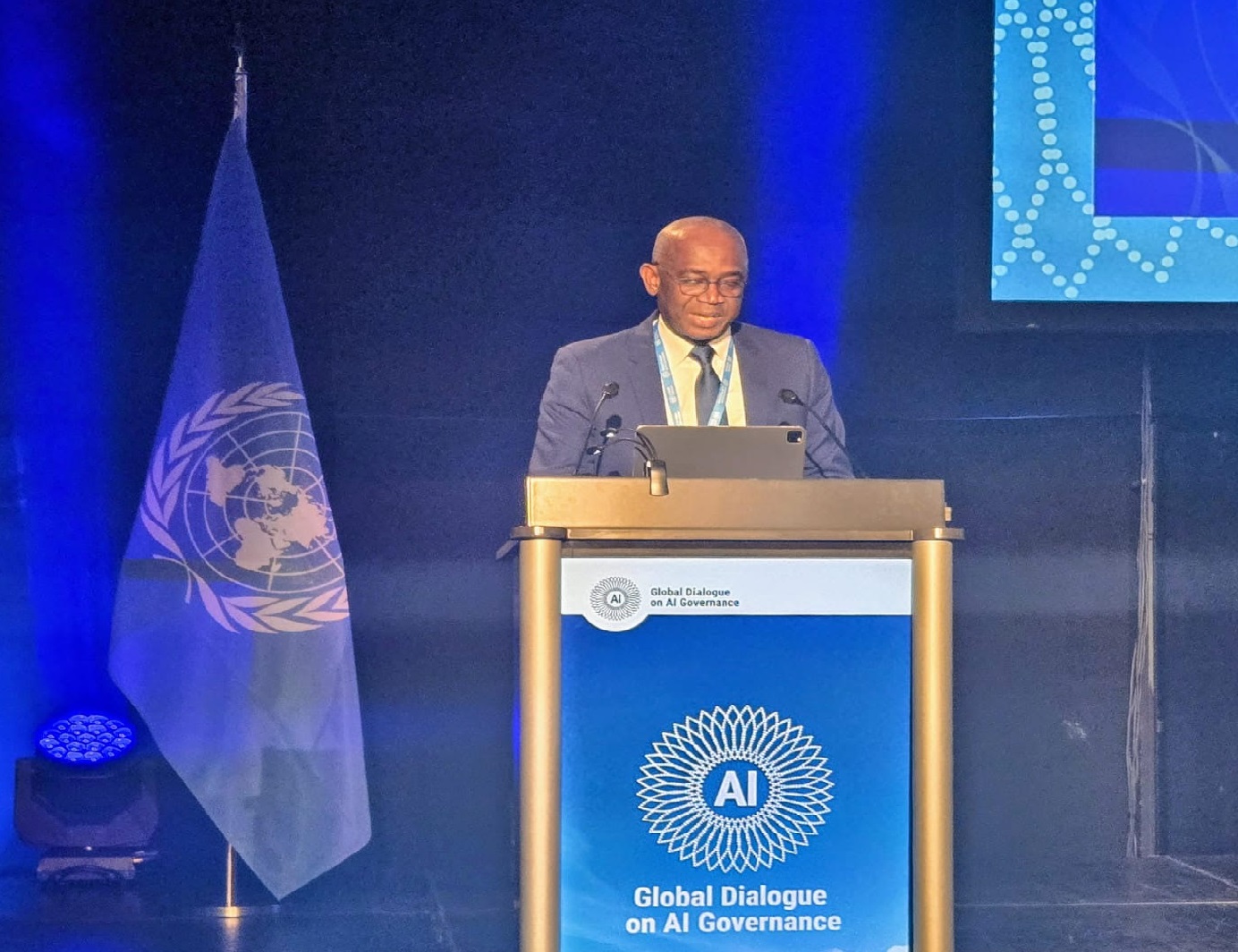
Le Ministre de la Transition numérique et de l'Innovation technologique, Djibril Ouattara, a représenté la Côte d'Ivoire au 1er Dialogue mondial des Nations Unies sur la gouvernance de l'intelligence artificielle, tenu les 6 et 7 juillet 2026 à Genève, portant un message clair. À savoir, l’IA ne doit pas être un privil...
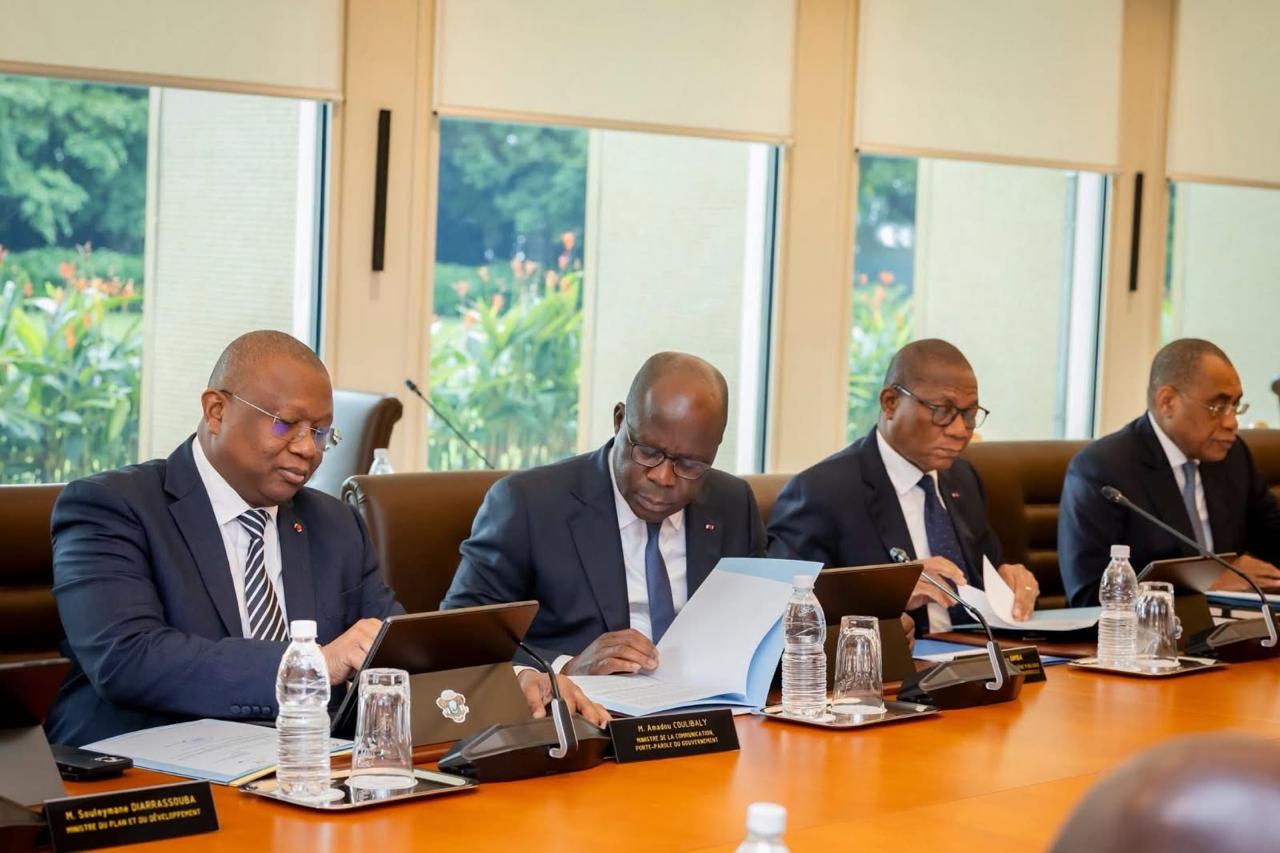
Le Gouvernement ivoirien a ratifié trois accords conclus avec l'Association internationale de développement pour financer la deuxième phase d'un vaste programme consacré à la santé, à la nutrition et au développement de la petite enfance.
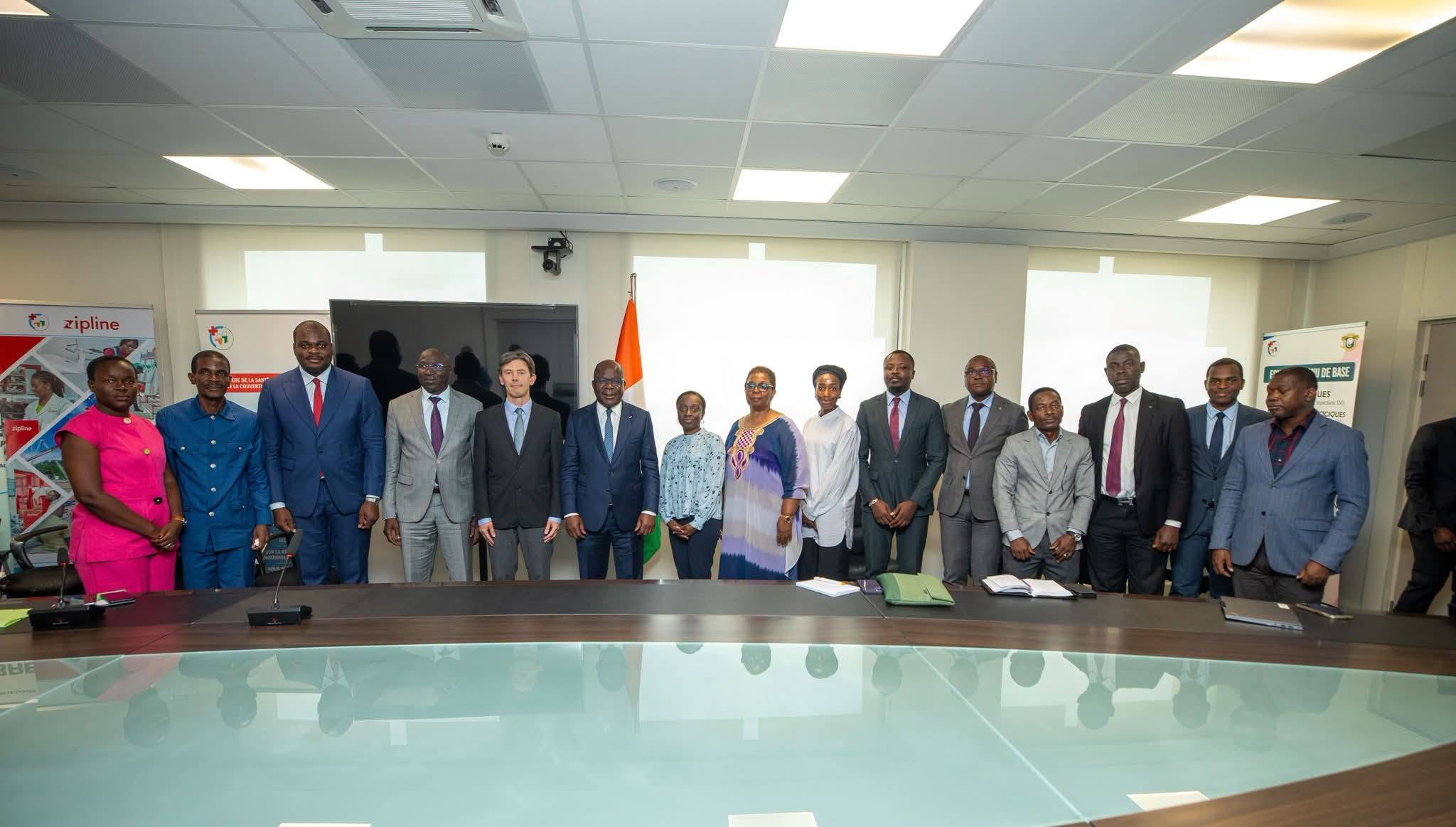
Onze structures visitées, six axes de coopération identifiés. La mission de la Harvard T.H. Chan School of Public Health, école de santé publique américaine, à Abidjan a dressé un premier bilan encourageant, ouvrant la voie à un partenariat structurant pour le système sanitaire ivoirien.
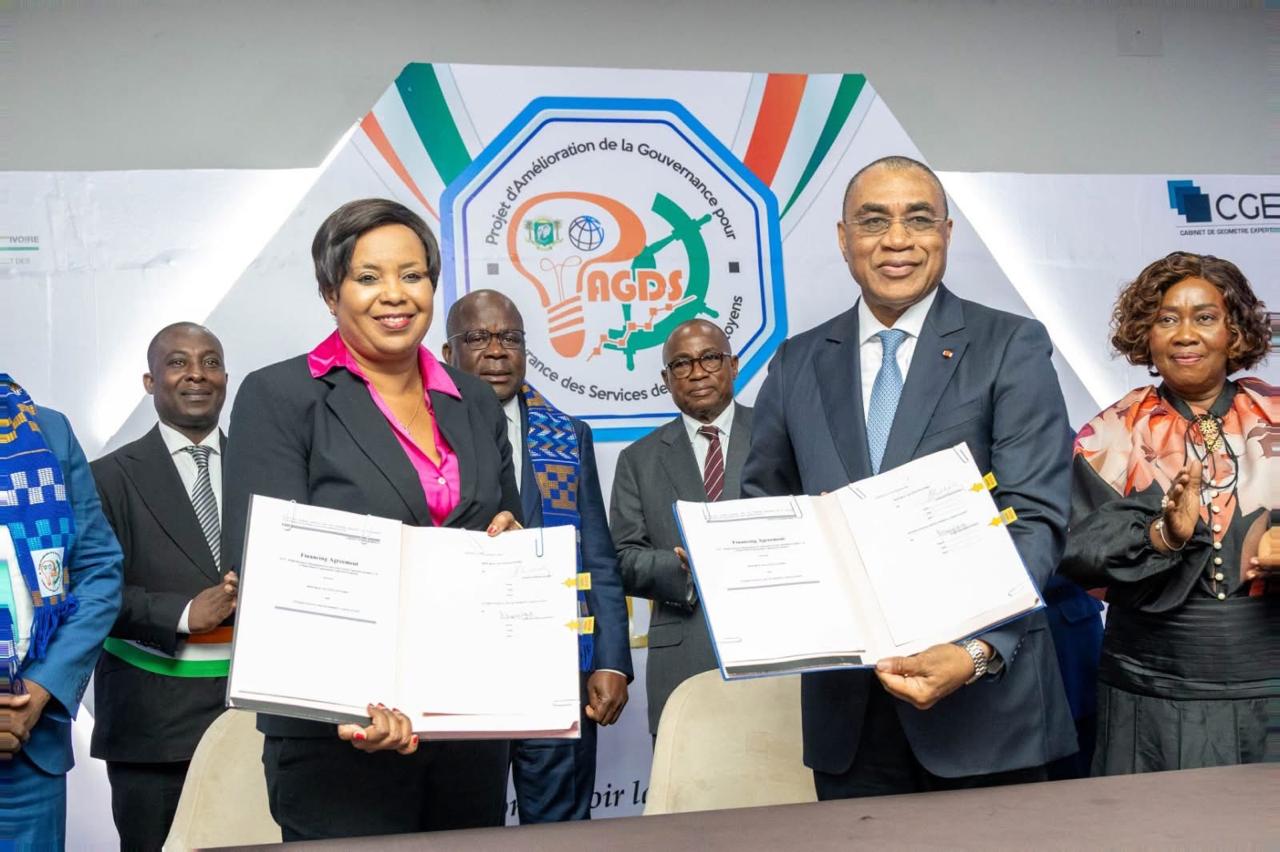
Six ans, 23 plateformes numériques, 495 millions de dollars mobilisés, le premier chapitre du Projet d'amélioration de la gouvernance pour la délivrance des services de base aux citoyens (PAGDS) s'est refermé lundi à Abidjan, mais l'État ivoirien a immédiatement rouvert le dossier. Le Ministre de l'Économie, des Financ...
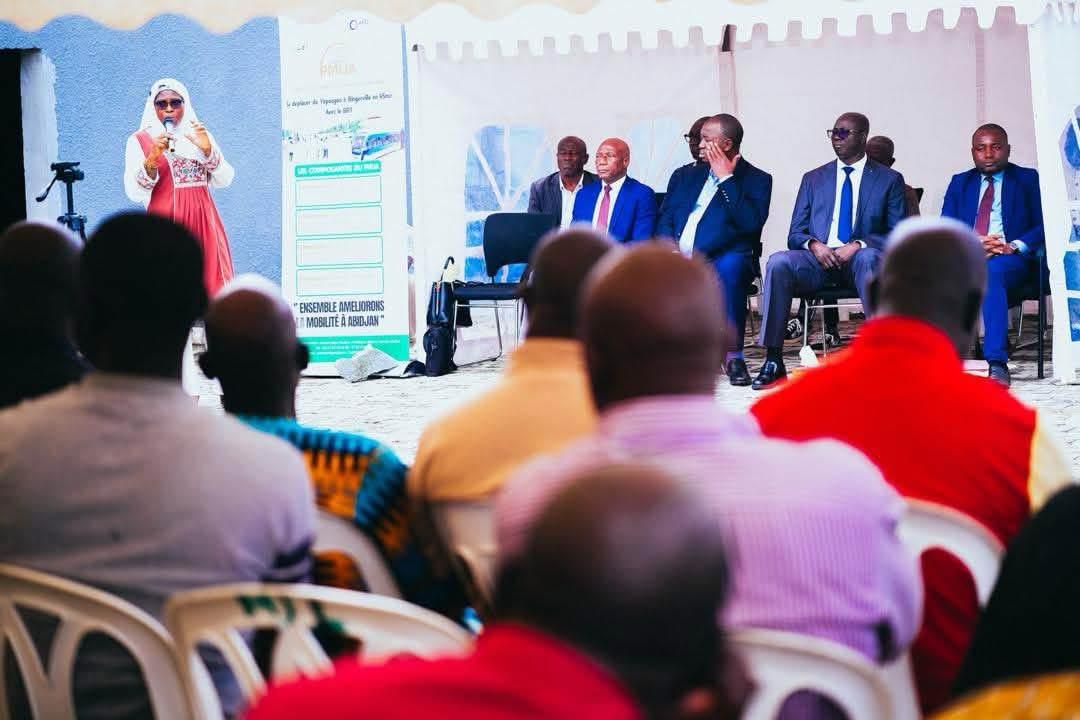
La fin du mois de juin 2026 représente un tournant pour des milliers de chauffeurs de taxis communaux et de gbaka à Abidjan. Ce jour marque le lancement officiel du dépôt des dossiers des transporteurs retenus pour la phase pilote du programme de renouvellement du parc de transport artisanal, une étape charnière du Pro...
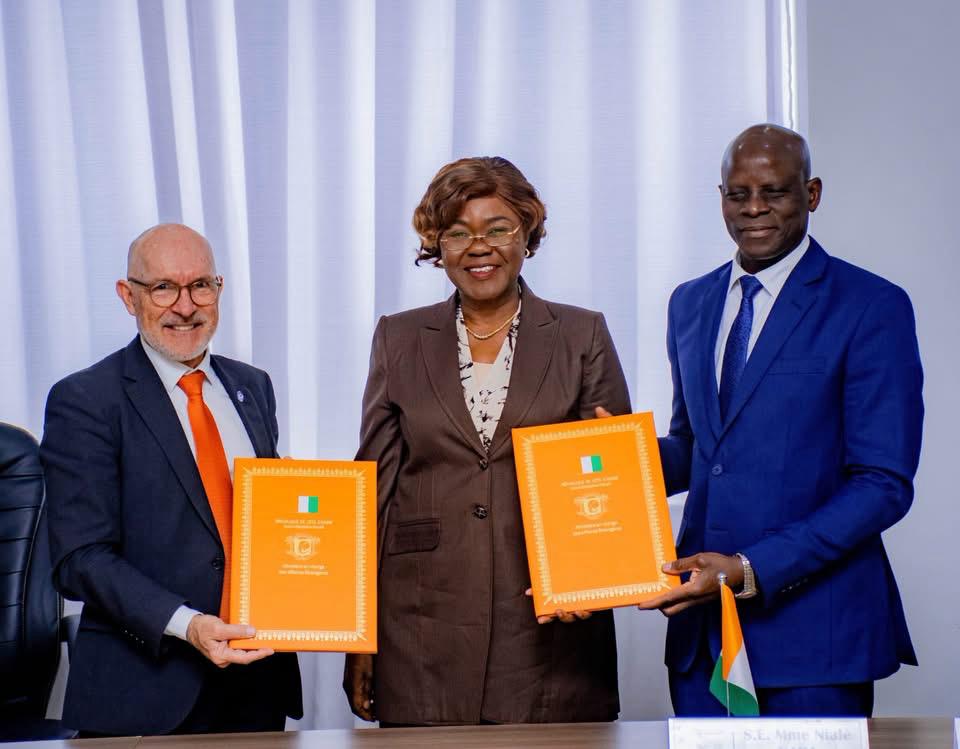
La Côte d'Ivoire franchit un cap décisif dans son engagement pour la paix et la non-prolifération nucléaire. La Ministre d'État Nialé Kaba et le Secrétaire exécutif de l'Organisation du Traité d'interdiction complète des essais nucléaires (OTICE), Dr Robert Floyd, ont paraphé un accord-cadre de coopération bilatérale,...
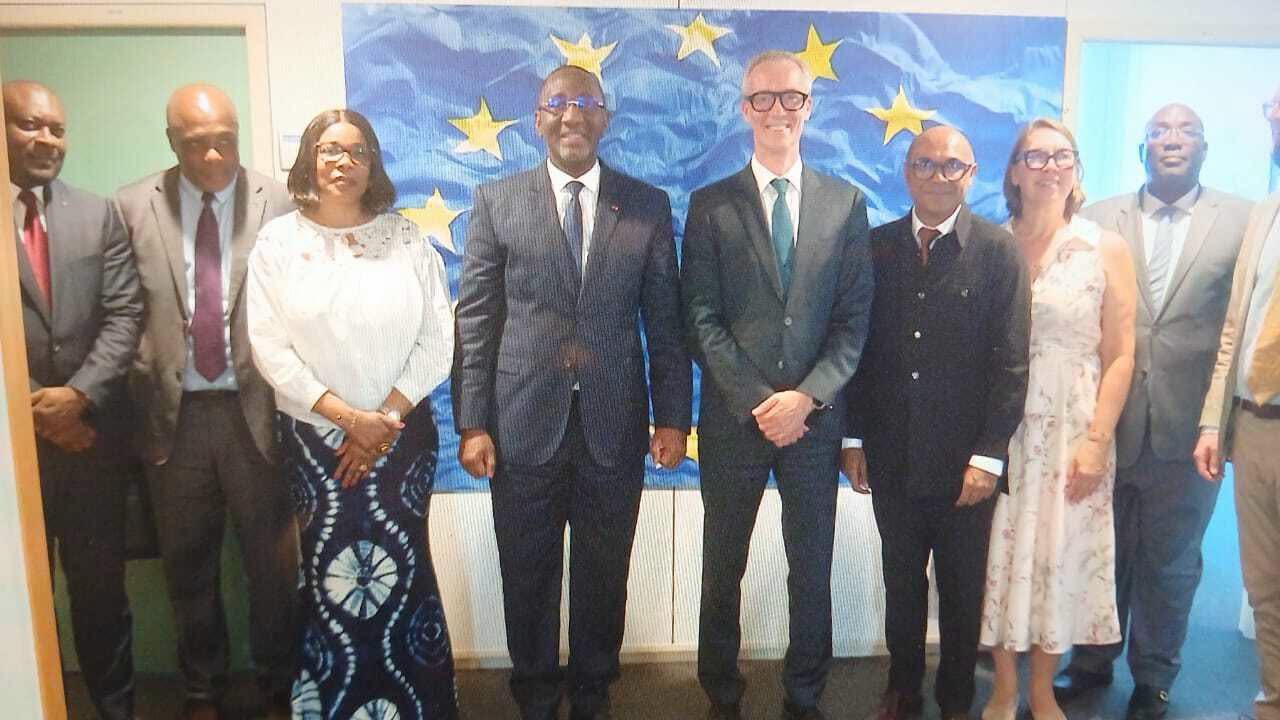
Le Ministre du Plan et du Développement, Dr Souleymane Diarrassouba, s'est rendu vendredi à Bruxelles pour ouvrir un front européen décisif, portant les ambitions du PND 2026-2030 devant les institutions de l'Union européenne et les investisseurs privés belges et européens. Ainsi, à dix jours du Groupe consultatif des...
 English
 Français