 English
 Français

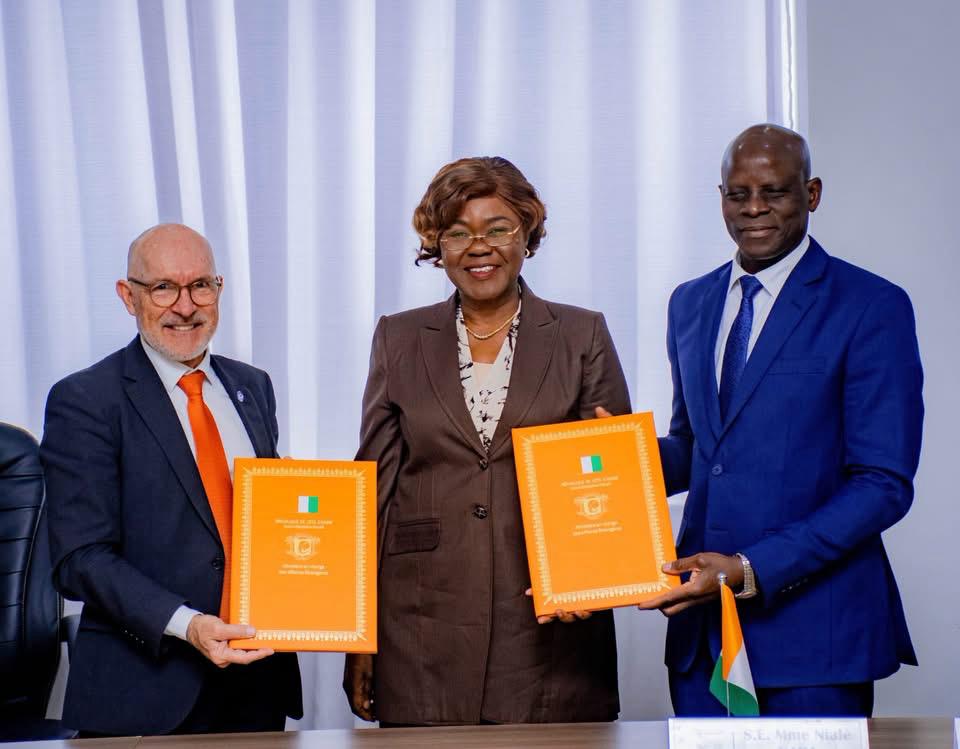
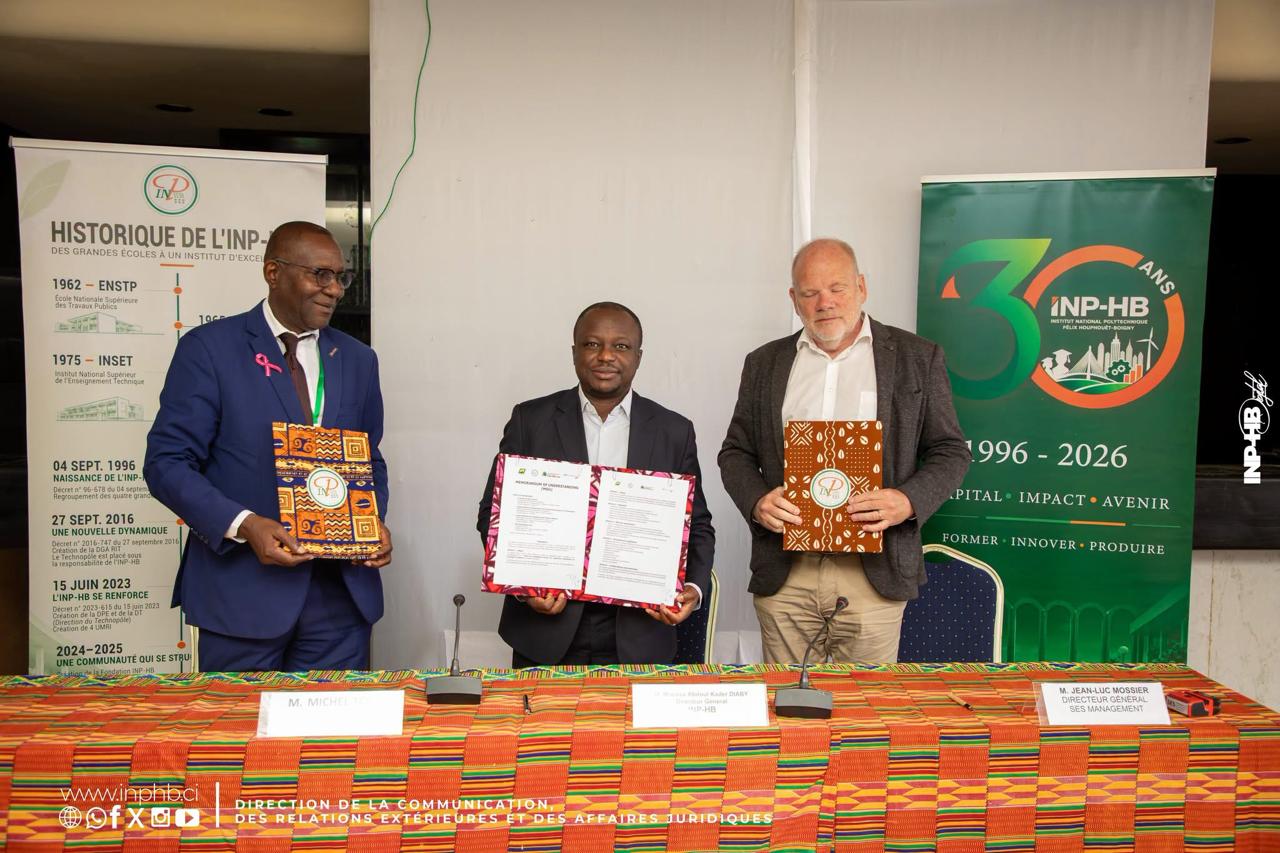
Un stylo, deux signatures, et un engagement planétaire. C'est en ces termes sobres mais chargés de sens que la Côte d'Ivoire et l'Organisation du Traité d'interdiction complète des essais nucléaires (OTICE) ont scellé, vendredi dernier, au Ministère des Affaires étrangères et de la Coopération internationale à Abidjan, un accord-cadre de coopération bilatérale à portée stratégique. Cet accord officialise le statut de la Côte d'Ivoire comme État hôte à part entière des structures du Système de surveillance internationale (SSI), un avantage concurrentiel significatif par rapport aux pays non signataires de tels dispositifs. Loin d'être une rupture, cet accord-cadre s'inscrit dans la continuité d'une coopération déjà active. La Côte d'Ivoire avait signé le Traité d'interdiction complète des essais nucléaires le 25 septembre 1996 et l'avait ratifié en mars 2003. Depuis lors, le pays héberge deux stations du SSI, une infrasonore (IS17) à Dimbokro et une sismique (PS15 DBIC), ainsi qu'un Centre national de données à la Station géophysique de Lamto. Plus récemment, le 19 mars 2026, un accord de facilité avait déjà consacré ce statut d'État hôte, avant que ne soit installé un Capacity Building System à Lamto.
La dimension scientifique occupe une place centrale dans ce nouveau partenariat. En juin 2026, Abidjan avait déjà accueilli le premier atelier de formation de l'OTICE pour les pays d'Afrique francophone, réunissant des experts de près d'une quinzaine de nations dont le Sénégal, le Maroc, le Cameroun et le Togo. Un signal fort de la volonté ivoirienne de se positionner comme hub régional de la surveillance internationale. Pour Dr Robert Floyd, cet accord-cadre est « la continuité de la forte collaboration entre la Côte d'Ivoire et l'OTICE » et « marque une étape importante dans le renforcement de la coopération régionale et internationale en matière de non-prolifération ». En endossant ce rôle d'État hôte de plein droit, Abidjan réaffirme son attachement à un ordre mondial fondé sur la paix, la science et la coopération multilatérale. Cette posture s'inscrit dans une trajectoire diplomatique cohérente. En juin 2025, la Côte d'Ivoire avait présidé, pour la première fois de son histoire, la 64ème session de la Commission préparatoire de l'OTICE à Vienne. La signature du 26 juin 2026 n'est donc pas un point d'arrivée, mais le socle d'une ambition plus large, faire d'Abidjan un acteur incontournable de la sécurité nucléaire mondiale.
Rappelons que la cérémonie s'est tenue en présence du Ministre de l'Enseignement supérieur et de la Recherche scientifique, Adama Diawara, témoignant de la double dimension diplomatique et scientifique de cet engagement.