English
 Français

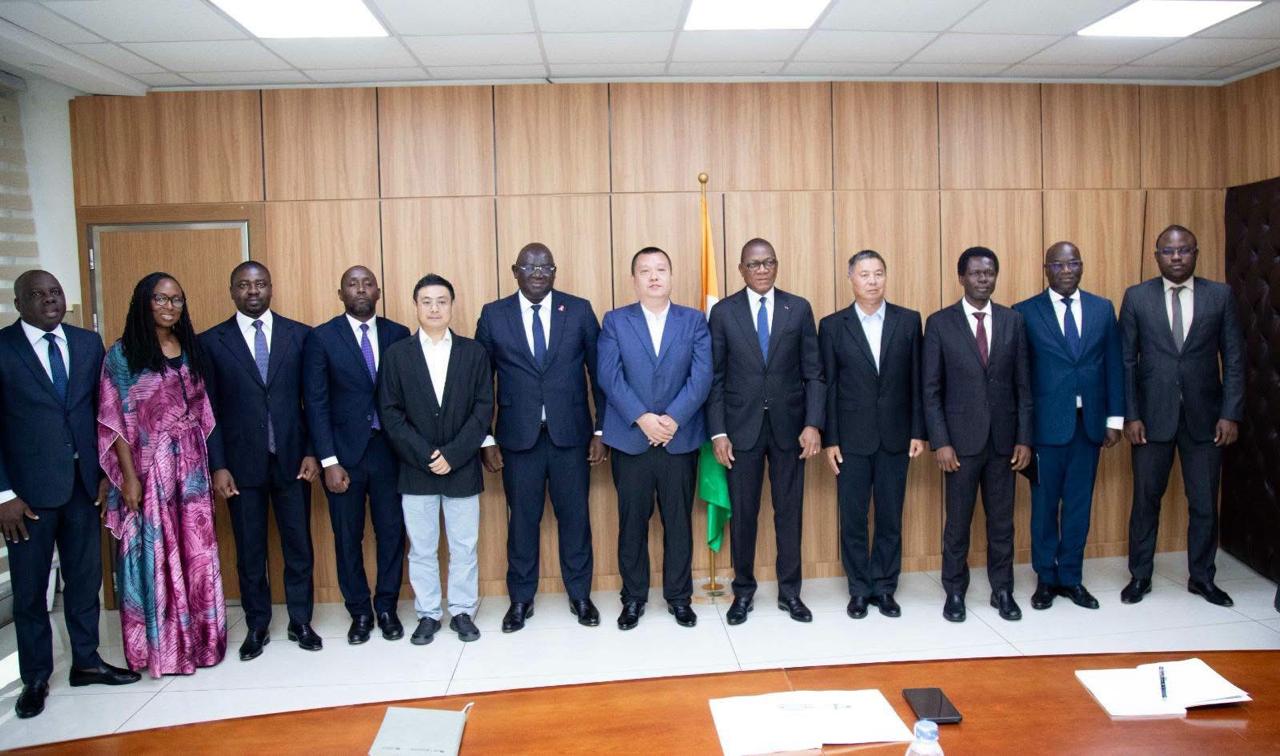
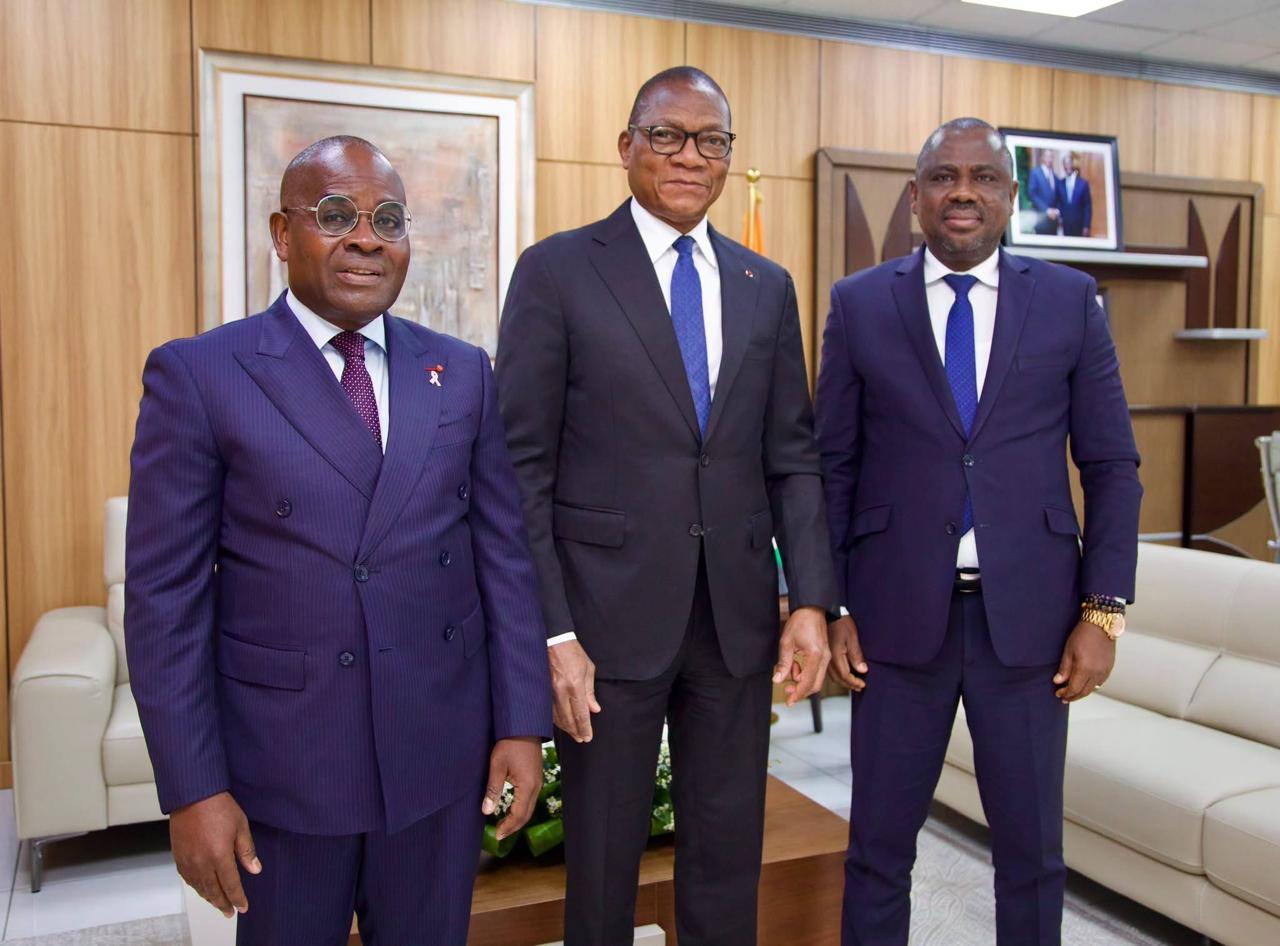
The world's leading producer of cocoa, Ivory Coast nevertheless still imports a large part of the rice it consumes. The State intends to resolve this paradox by relying on private capital. It is in this spirit that the Minister of Agriculture, Rural Development and Food Production, Bruno Nabagné Koné, received, on Tuesday October 27 at his office, a delegation from Sinomach Hainan, in the presence of the Minister Delegate in charge of Food Production, Bernard Kini Comoé. The Chinese group, which targets the rice and corn sectors, plans to invest in seed production, agricultural mechanization and rice processing. The stakes are considerable. According to data compiled by Trade Map, cited by Afrive, the country imported 1.6 million tonnes of rice in 2023/2024, worth more than $722 million in 2023.The authorities are targeting production of 3.2 million tonnes of milled rice by 2030.
In front of his hosts, Bruno Koné outlined 5 priorities: food sovereignty, competitiveness of sectors, agricultural financing, securing rural land and the sustainability of production systems. He welcomed the interest of investors and encouraged them to quickly realize their project. The Minister is also acting on the ground, in July, 2.8 billion CFA francs of inputs and equipment were given to nearly 6,000 producers in the North, with an additional 10,000 tonnes of rice expected.This dynamic is in line with the line defended by the Head of State, Alassane Ouattara, who reaffirmed at the WTO in Geneva the desire to abandon the export of raw materials in favor of processing and added value. It remains to transform the test. No amount or timetable has been communicated at this stage, and the challenge will be to guarantee that mechanization and seeds also benefit small producers.
By banking on Sinomach Hainan, Abidjan is sending a clear signal to investors, agriculture is open to strategic partnerships. If the project really comes to fruition, it could reduce dependence on imported rice and accelerate the modernization of the Ivorian sector, and sustainably strengthen the country's food sovereignty.