 English
 Français

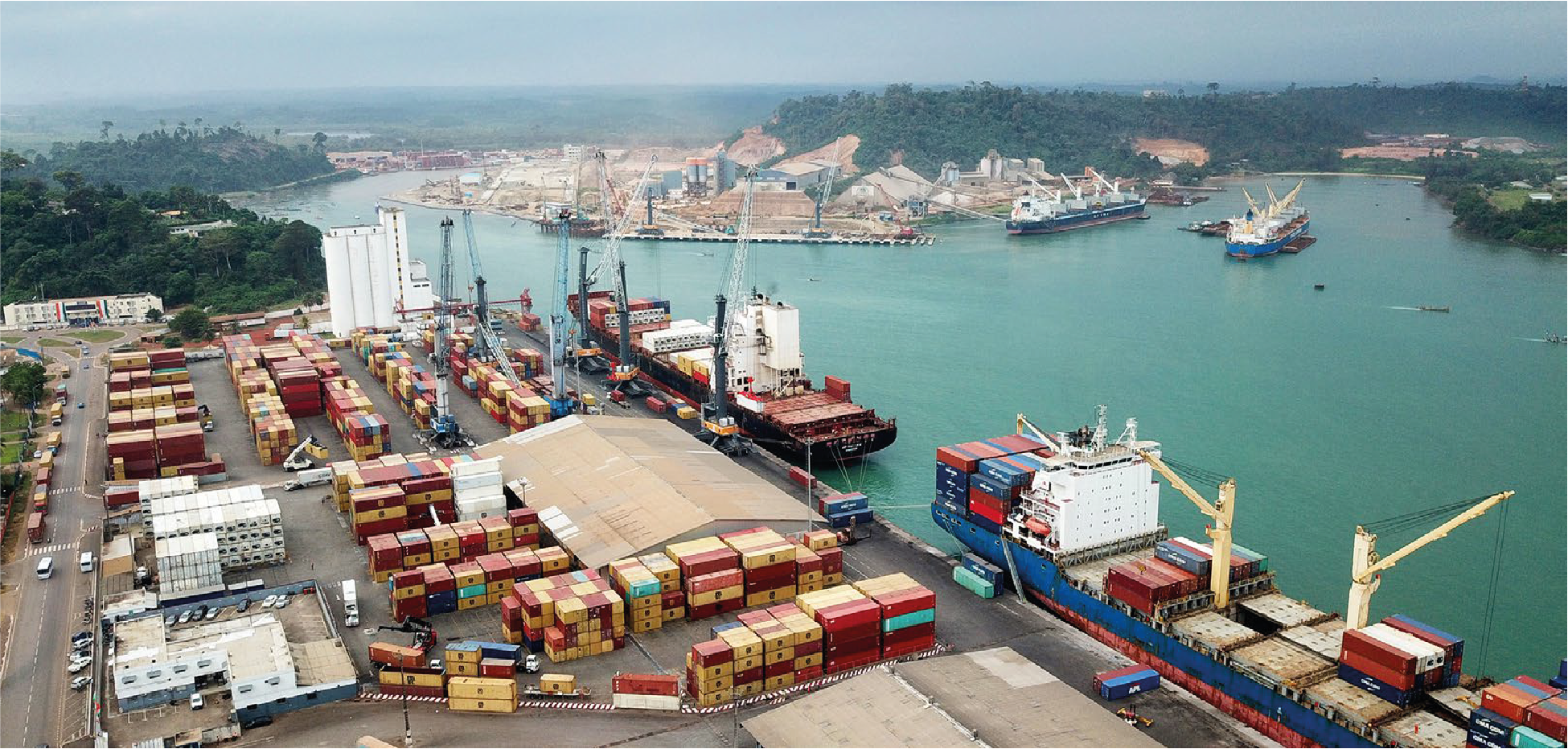
Pendant que les géants asiatiques continuent de dicter les règles du commerce maritime mondial, un port ouest-africain force le respect. À San Pedro, les grues ne dorment pas. Les navires chargent et déchargent avec une efficacité qui a retenu l'attention des analystes de la Banque mondiale, c’est précisément la fluidité de ces opérations de manutention qui a propulsé le port dans le Top 10 africain du Container Port Performance Index (CPPI) 2025. Les chiffres parlent d'eux-mêmes. En quinze ans, le trafic mondial de marchandises du port de San Pedro est passé de 1,23 millions de tonnes en 2010 à 7,77 millions de tonnes en 2025, soit une progression de 531%. Une performance qui ne doit rien au hasard, mais résultant d'investissements soutenus dans les infrastructures portuaires et d'une montée en puissance des filières d'exportation.
L'économie du port repose aujourd'hui sur trois moteurs principaux. D'abord, le cacao, San Pedro est le premier port mondial d'exportation de cette matière première, consolidant ainsi le leadership de la Côte d'Ivoire, premier producteur mondial. Ensuite, les produits miniers (nickel, manganèse, fer) sont issus de l'arrière-pays ivoirien et exportés en volumes croissants. Enfin, les produits cimentiers complètent ce triptyque, témoignant de la diversification progressive des flux portuaires. Sur le continent, le classement CPPI 2025 reste dominé par Tanger Med (Maroc), qui talonne les grands hubs asiatiques avec un score de 134 points, et Port-Saïd de l'Égypte avec un score de 117 points. San Pedro s'affirme néanmoins comme le deuxième port le plus performant de l'Afrique de l'Ouest, avec un score de - 0,9, proche de l'équilibre.
Il faut le dire, avec ce classement, San Pedro ne se contente plus d'être la porte du cacao ivoirien, il s'impose comme un nœud logistique de référence pour toute la sous-région ouest-africaine, à l'heure où la compétition entre hubs portuaires continentaux ne cesse de s'intensifier.