

190 result(s) for “Ministre de la Planification et de la Prospective”
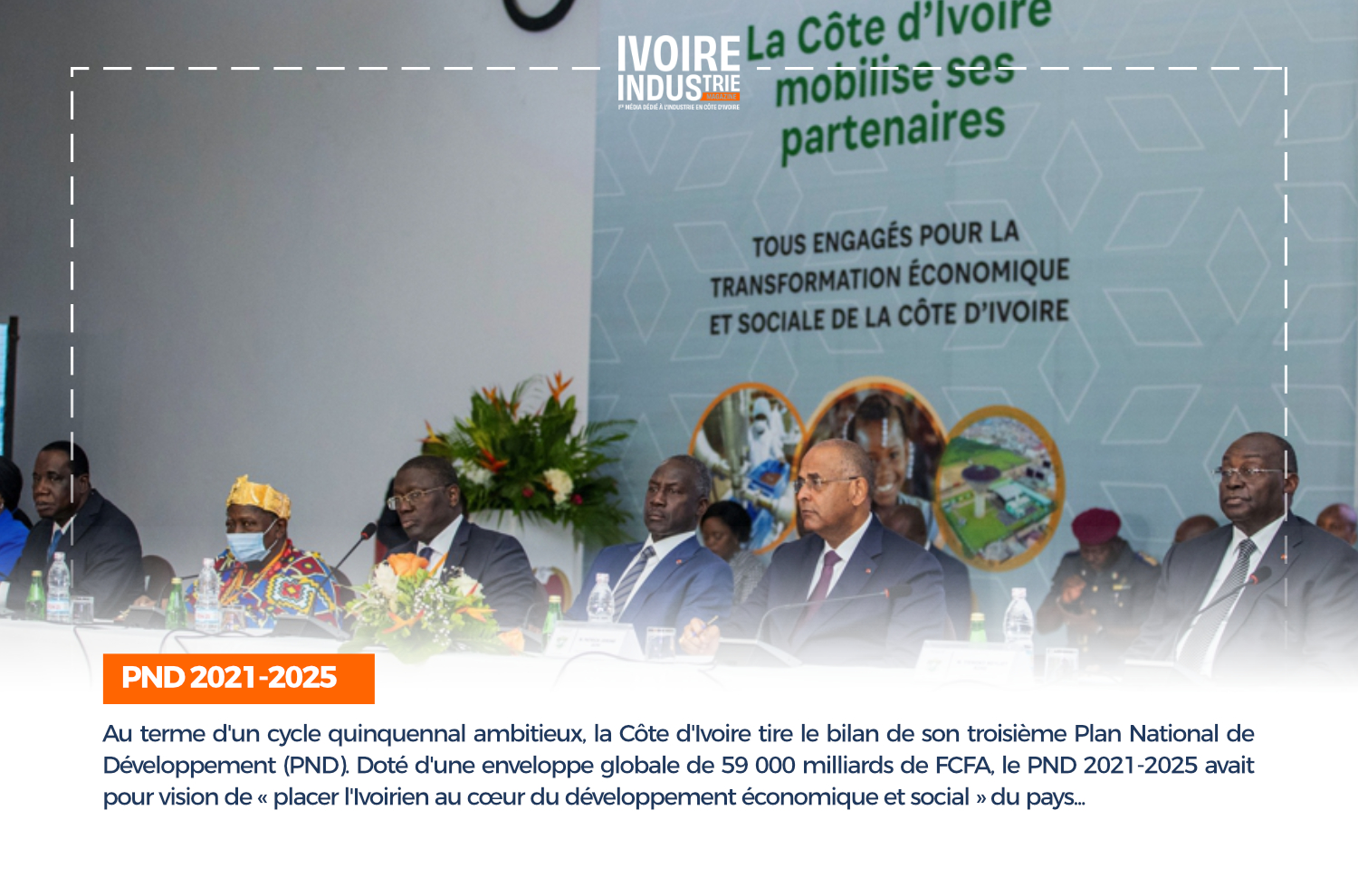
At the end of an ambitious five-year cycle, Côte d'Ivoire takes stock of its third National Development Plan (PND). With an overall envelope of 59,000 billion FCFA, the PND 2021-2025 had the vision of “placing the Ivorian at the heart of the economic and social development” of the country. With a strategy structured ar...
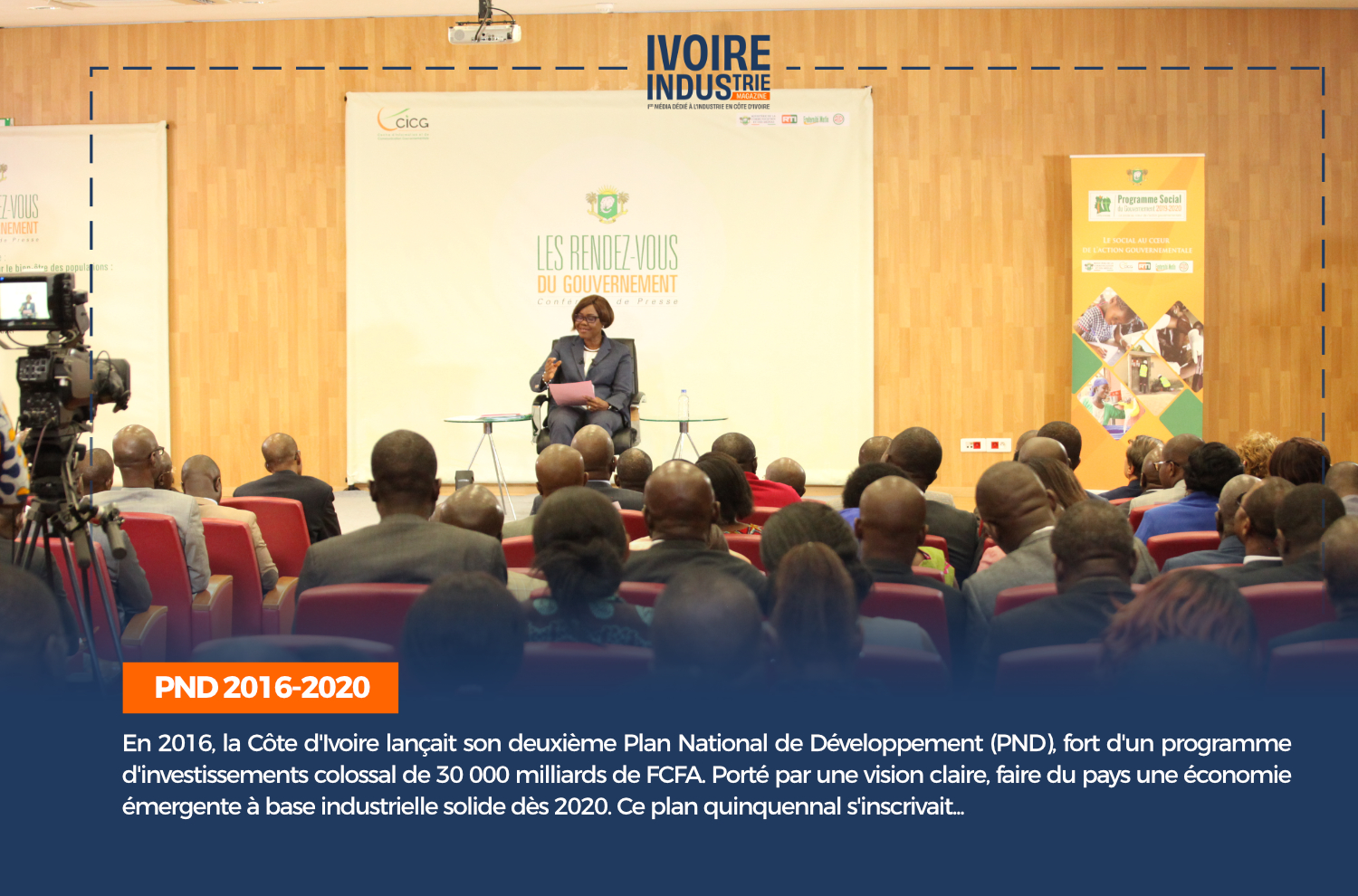
In 2016, Côte d'Ivoire launched its second National Development Plan (PND), with a colossal investment program of 30,000 billion FCFA. Driven by a clear vision, to make the country an emerging economy with a solid industrial base from 2020. This five-year plan was a continuation of the 2012-2015 PND, the results of whi...
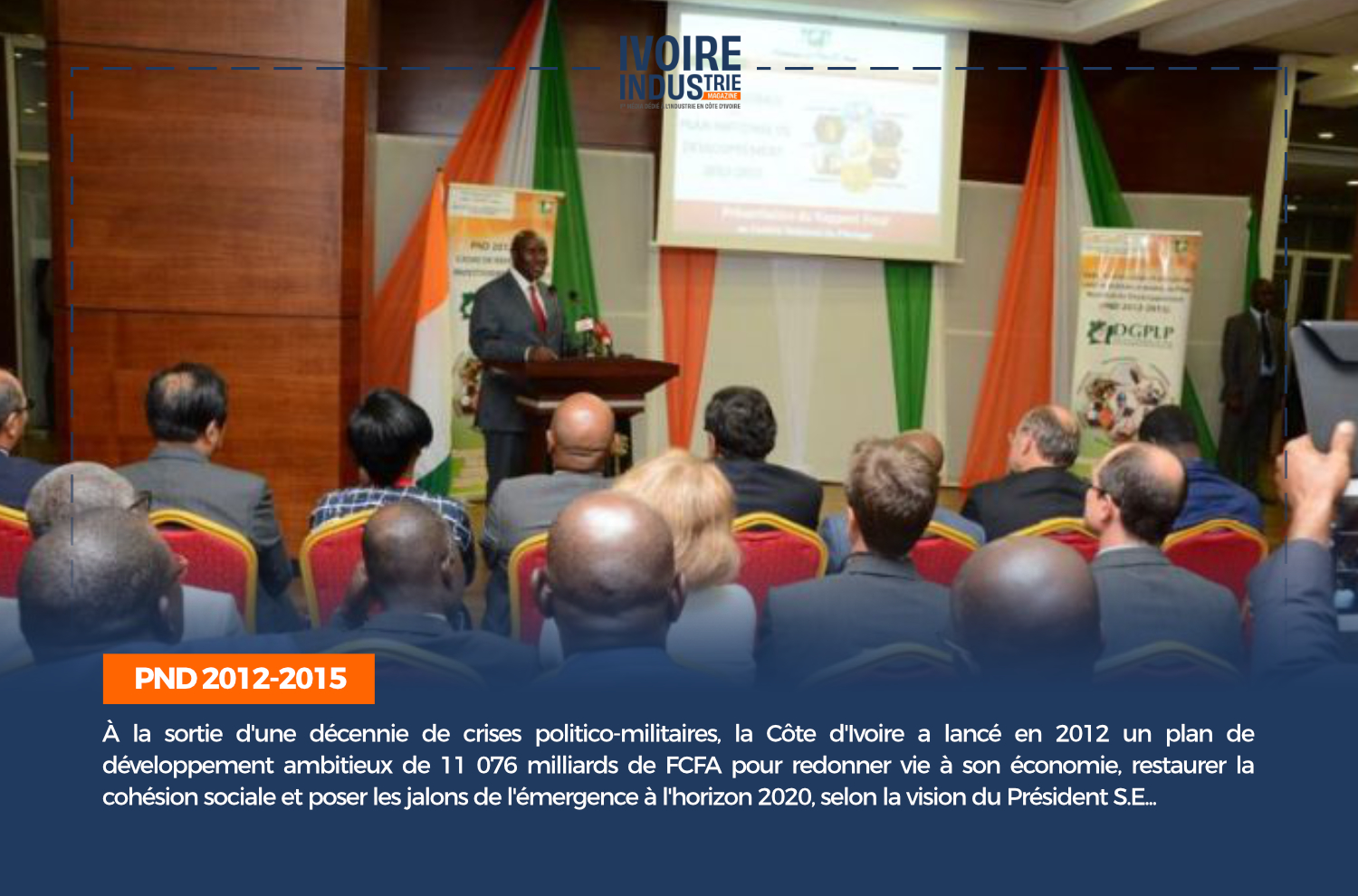
At the end of a decade of political-military crises, Côte d'Ivoire launched in 2012 an ambitious development plan of 11,076 billion FCFA to revive its economy, restore social cohesion and lay the foundations for emergence by 2020, according to the vision of the Head of State H.E Alassane OUATTARA. Four years later, the...
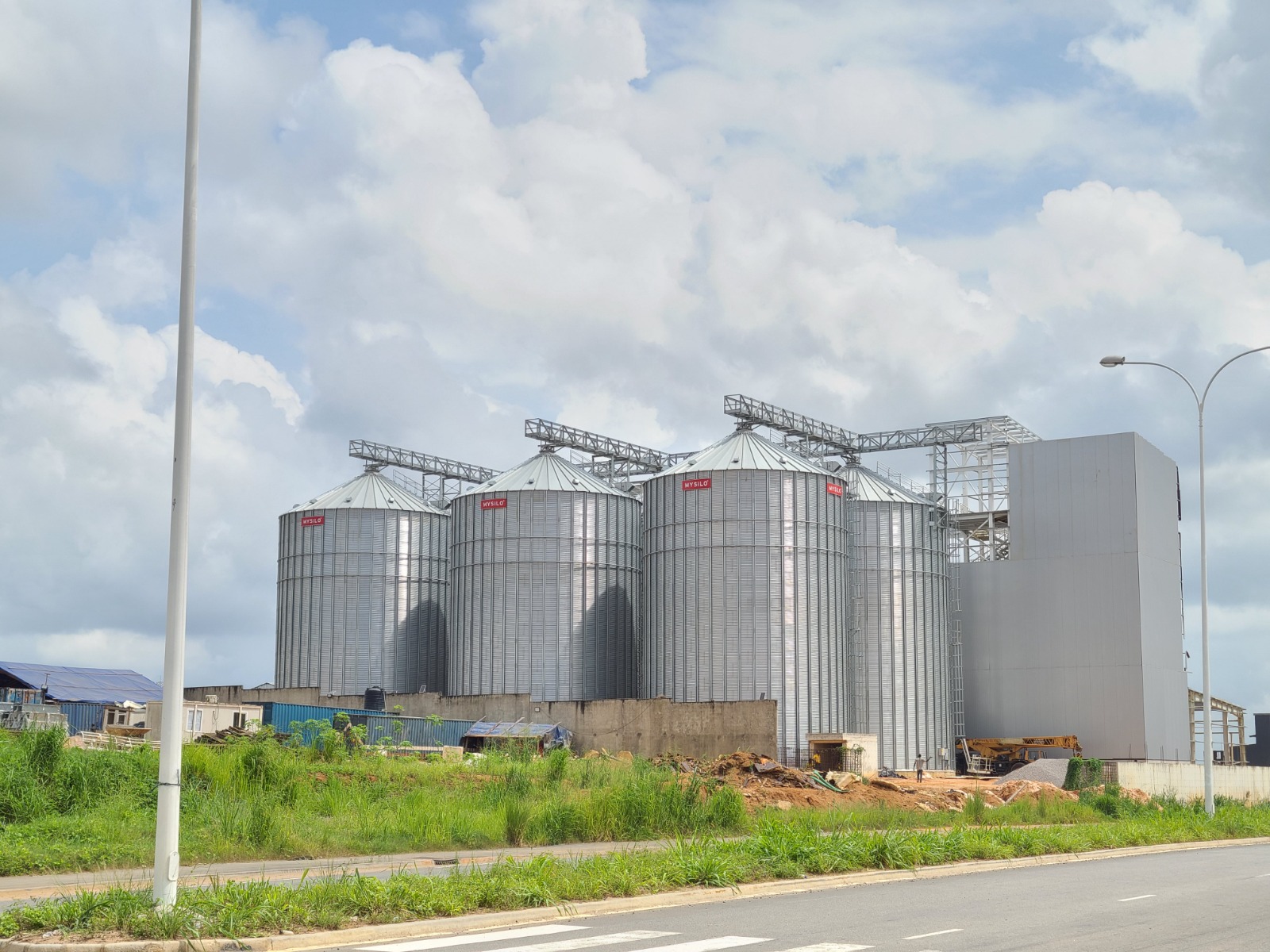
About thirty kilometers from Abidjan, the Akoupé-Zeudji PK24 industrial zone (ZI) stands out as a strategic lever for industrialization in Côte d’Ivoire. Designed to relieve congestion in old areas and attract structuring investments, it embodies a new generation of modern, sustainable and competitive industrial spaces...
With nearly 300 companies active on 120 hectares, the Koumassi industrial zone (ZI) is one of the pillars of the Ivorian economic fabric. Having remained without real renovations for a long time, this strategic enclave of the Abidjan district is today getting a second lease of life thanks to an ambitious rehabilitation...
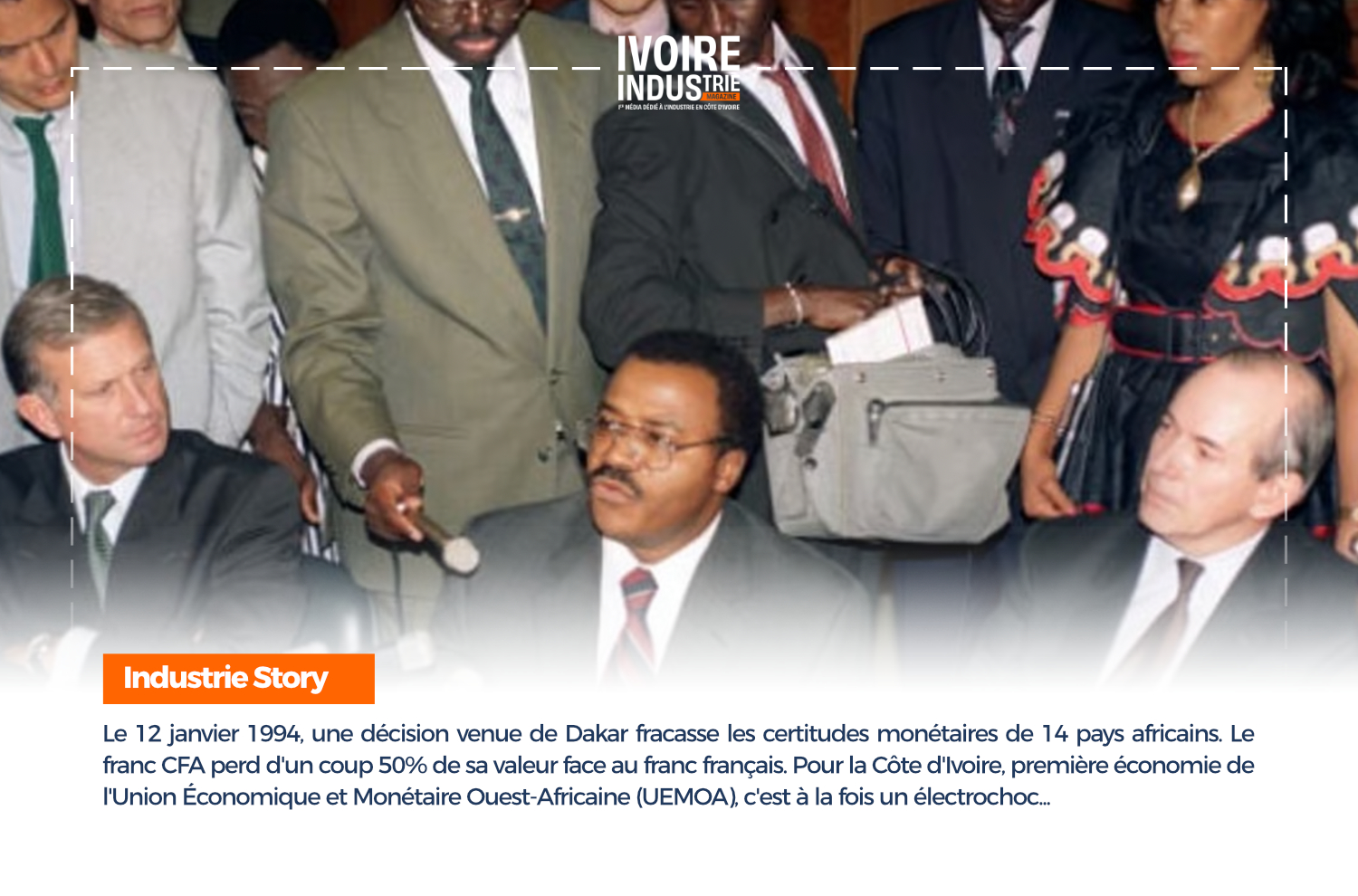
On January 12, 1994, a decision from Dakar shattered the monetary certainties of 14 African countries. The CFA franc suddenly loses 50% of its value against the French franc. For Ivory Coast, the largest economy in the West African Economic and Monetary Union (UEMOA), it is both a painful electric shock and a structura...
In the 1990s, the International Monetary Fund and the World Bank exercised unprecedented control over the Ivorian economy and politics. Between imposed remedies and deep social fractures, the results of this decade remain, even today, a subject of controversy.
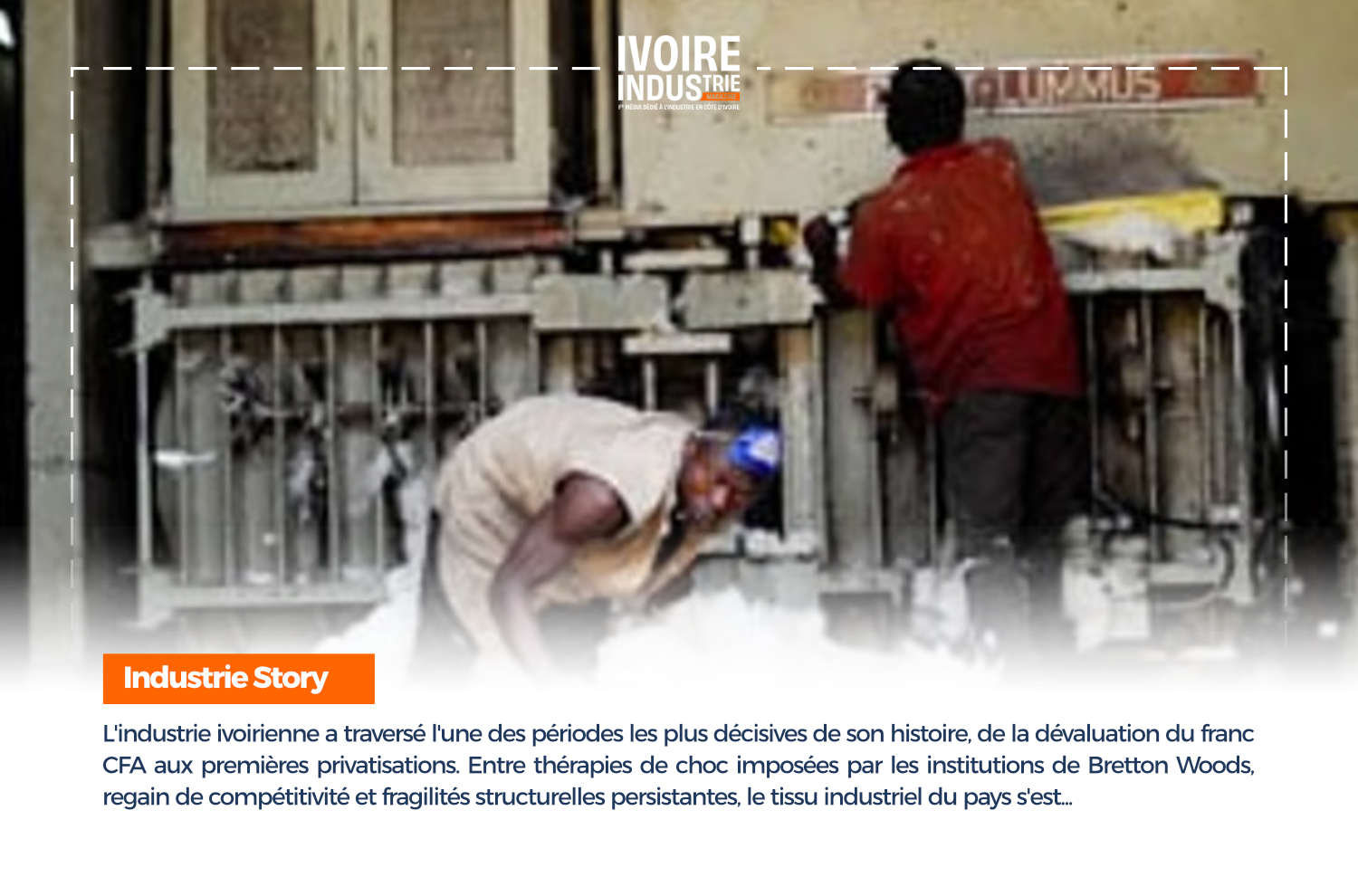
Ivorian industry has gone through one of the most decisive periods in its history, from the devaluation of the CFA franc to the first privatizations. Between shock therapies imposed by the Bretton Woods institutions, renewed competitiveness and persistent structural fragilities, the country's industrial fabric has been...
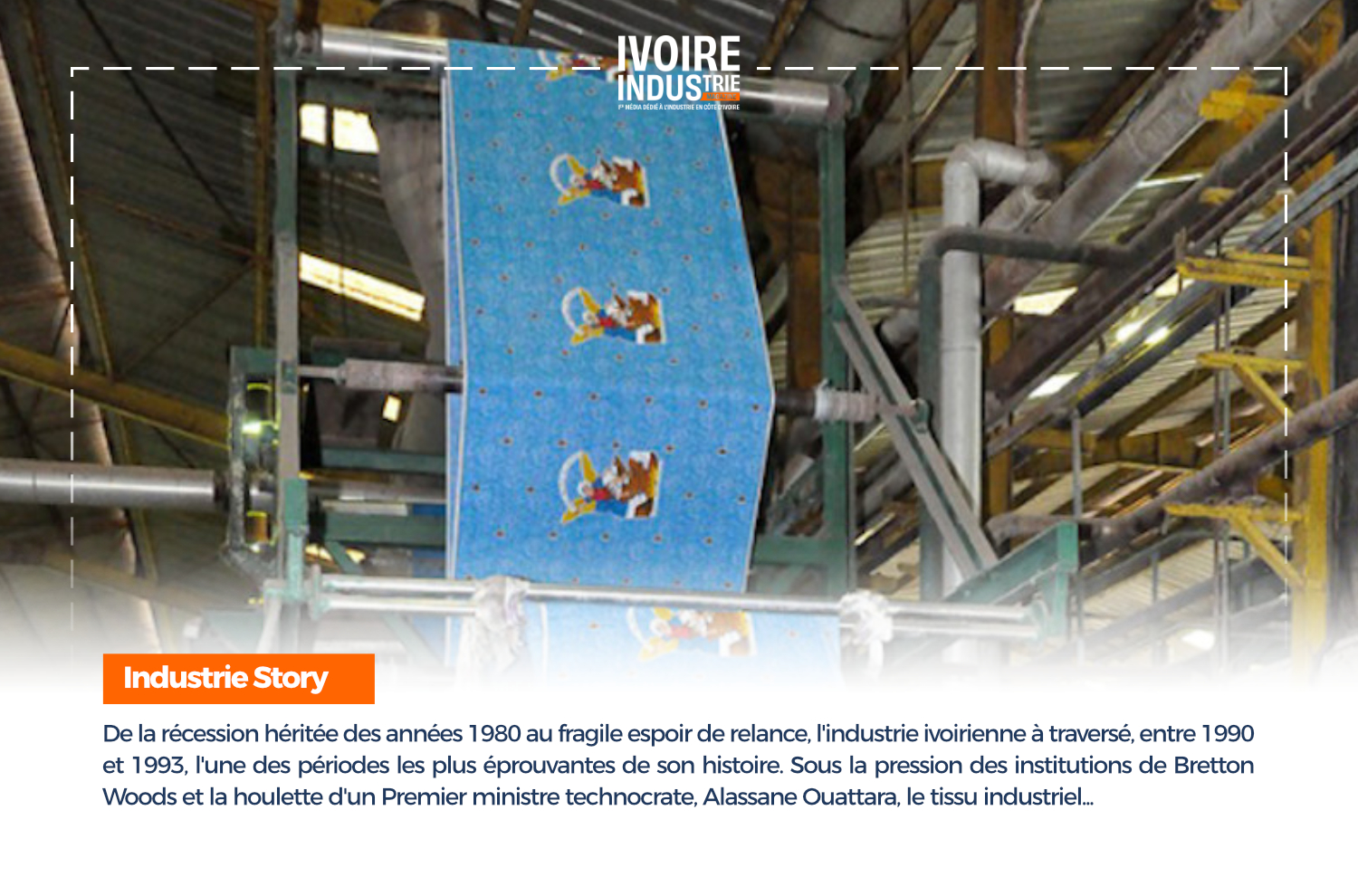
From the recession inherited from the 1980s to the fragile hope of recovery, the Ivorian industry went through, between 1990 and 1993, one of the most trying periods in its history. Under pressure from the Bretton Woods institutions and the leadership of a technocratic Prime Minister, Alassane Ouattara, the country's i...
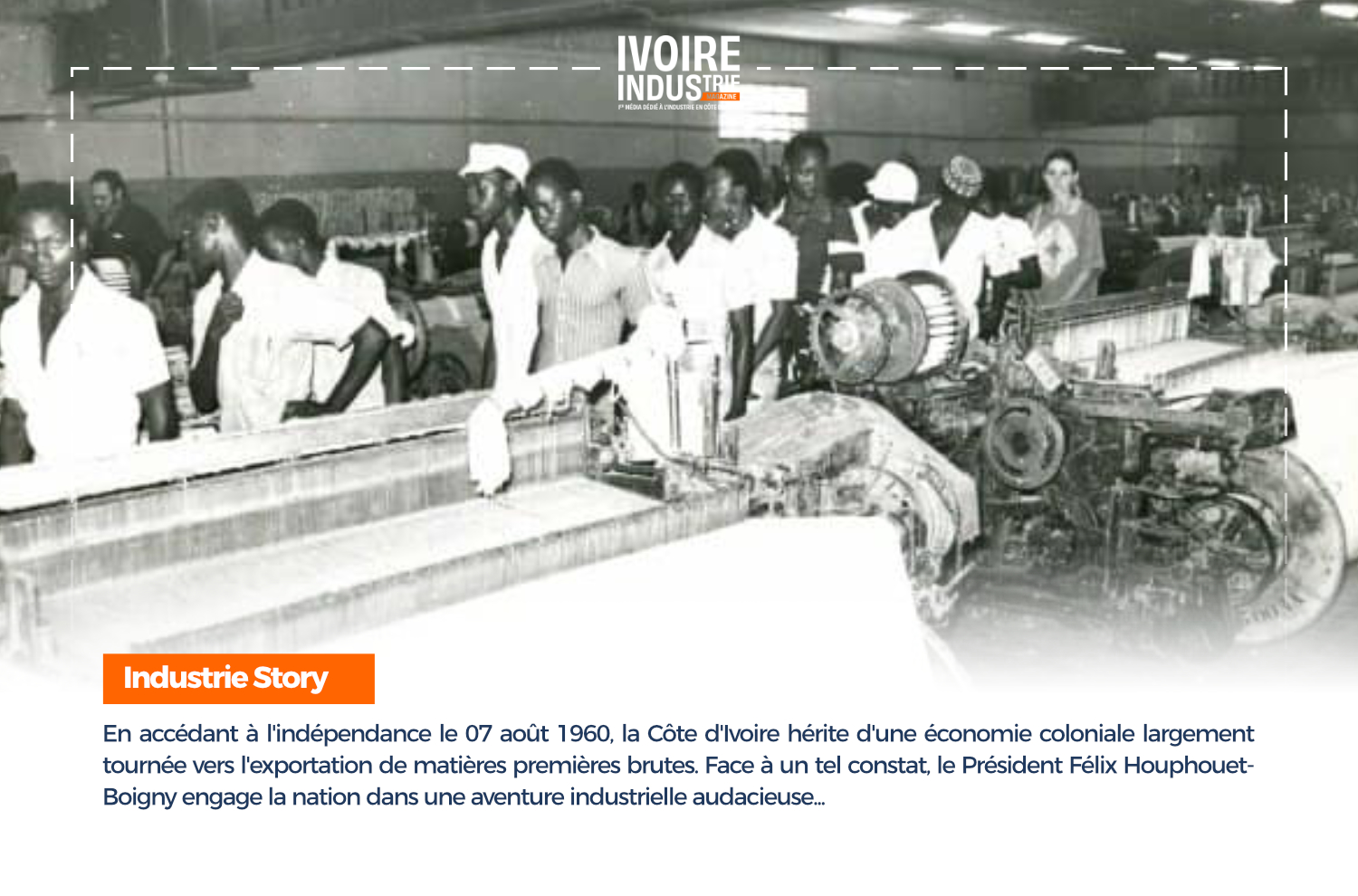
At independence on August 7, 1960, Côte d'Ivoire inherited a colonial economy largely focused on the export of raw materials. Faced with such an observation, President Félix Houphouët-Boigny commits the nation to a daring industrial adventure, based on an ambitious ten-year plan, a resolute openness to foreign capital...
 English
 Français